This week, BRICKS deputy editor Madeline Reid shares her process behind interviewing the leader of the Green Party.
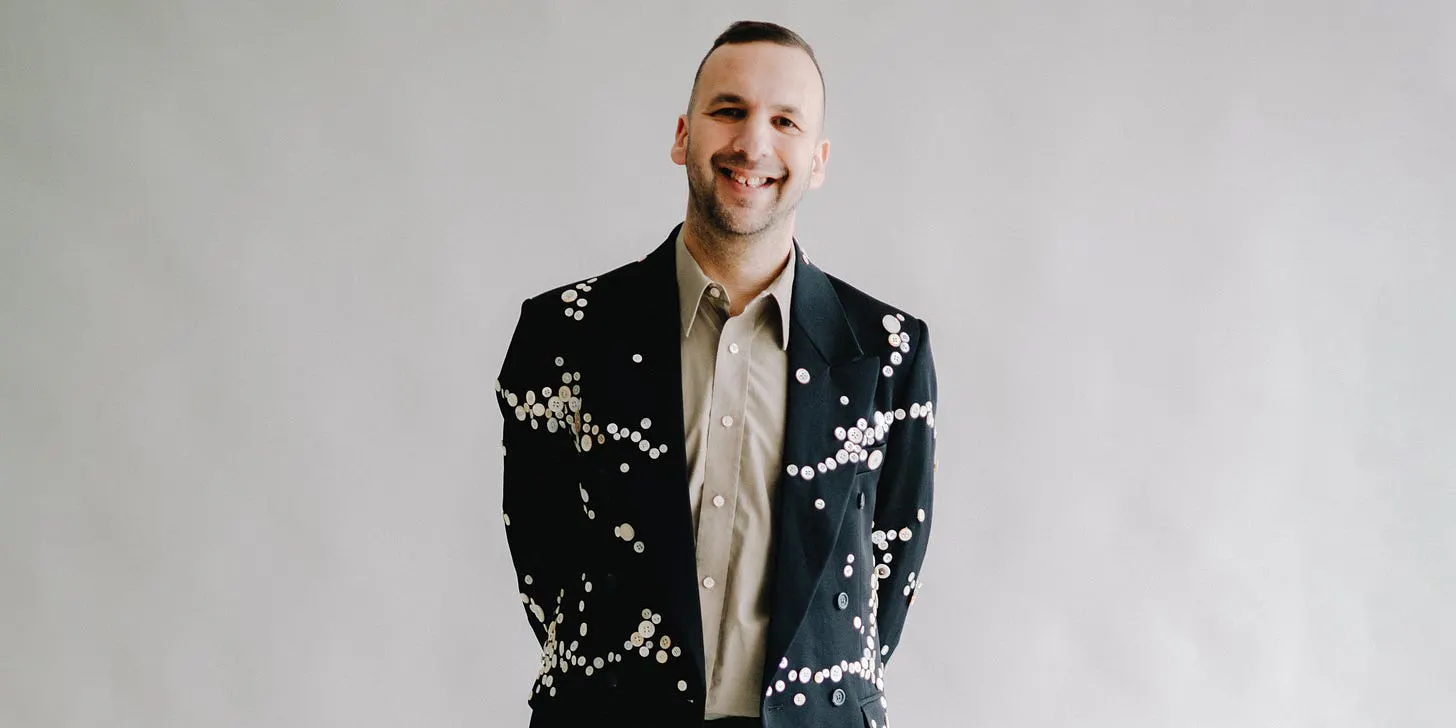
If someone had told me even twelve months ago that I’d be spending my Christmas break preparing to interview one of the most important people in British politics in recent history, I categorically would not have believed them. From the first time I stepped foot in London and started calling myself a journalist, I have always prefixed this with “fashion”. After all, it’s my degree, my specialist subject, and my personal favourite pastime.
Being a culture writer, I have always held on to a lesson I was taught by my university tutor, Steve Spear: that journalists should have a deep knowledge of one subject, and a wide knowledge of all subjects. After all, fashion doesn’t exist in a vacuum, and the best fashion writing is often not really about clothes at all. As someone interested in fashion, but also in music, film, theatre, art, and, yes, politics – this made sense to me, and I did my best to keep up with the news across a wide variety of subjects, but always with a critical eye on what this meant for fashion.
Still, I have spent the better part of the last decade specialising – I regularly interview emerging designers for BRICKS online, front the fashion week reviews, curate our weekly fashion news round-ups, and report on breaking (often creative director-related) news, only occasionally veering into music or film when a story would spread across the zeitgeist like wildfire, or if we were working with an established cover star I particularly admired.
When I first proposed Zack Polanski for a BRICKS interview, I had assumed we would commission this to a more experienced political writer. But the pitch came from me, having followed The Green Party’s leadership election, and when Zack won back in September, I shared an Instagram story sharing my excitement. He followed me back almost instantly. This gave us an opening: if I were to send him a DM, he would see it; this wouldn’t fall into the pit of unread message requests. I brought the story to my team and, once approved, sent the message. Within a few days, he had passed us over to his team at The Green Party and they had begun coordinating dates in what I could only imagine is a frighteningly busy schedule.
We tried our best to lock this down quickly, but understandably, his schedule was subject to change, and our dates moved around a few times in the weeks leading up to Christmas, making it harder to confirm an available external writer in time for the new year. Lamenting this to my team one day, they encouraged me to write it myself. I was initially against the idea, but as time went on, I could tell I did want to write it, but I was just nervous. Did I really think I had the skill, and the background knowledge, to do this story justice?
But at some point, I thought to myself, you have to say yes to the scary thing, and it’s because it scares you that it’s worth doing. I knew why I liked and admired him, what I thought he brought to politics that felt different, and why I felt it was so important to put this story on our magazine cover. And anyway, I thought that maybe that National 5 (that’s GCSE for all you English and non-Scottish readers) Modern Studies (like politics) A* wouldn’t have been for nothing, after all.
Below, I’m sharing how I tackled the biggest interview of my career thus far, through careful research, a deep understanding of my audience, and a sincere admiration of my subject.
Date
April 17, 2026

