March Book of the Month has been Kate Brown’s Tiny Gardens Everywhere: A History of Urban Resilience (Opens in a new window), recently published by The Bodley Head.
We have broken with the format a little for this month’s author interview. It was conducted as usual by CBTR assistant editor Tallulah Brennan, but Kate generously made time for a longer-form, conversational affair, rather than our usual email Q&A. The result is an even more in-depth, interactive discussion of a book whose ideas we find innovative, radical and exciting.
Read on as Kate and Tallulah discuss plants as human allies, gardens as public health measures, and the importance of touching dirt.
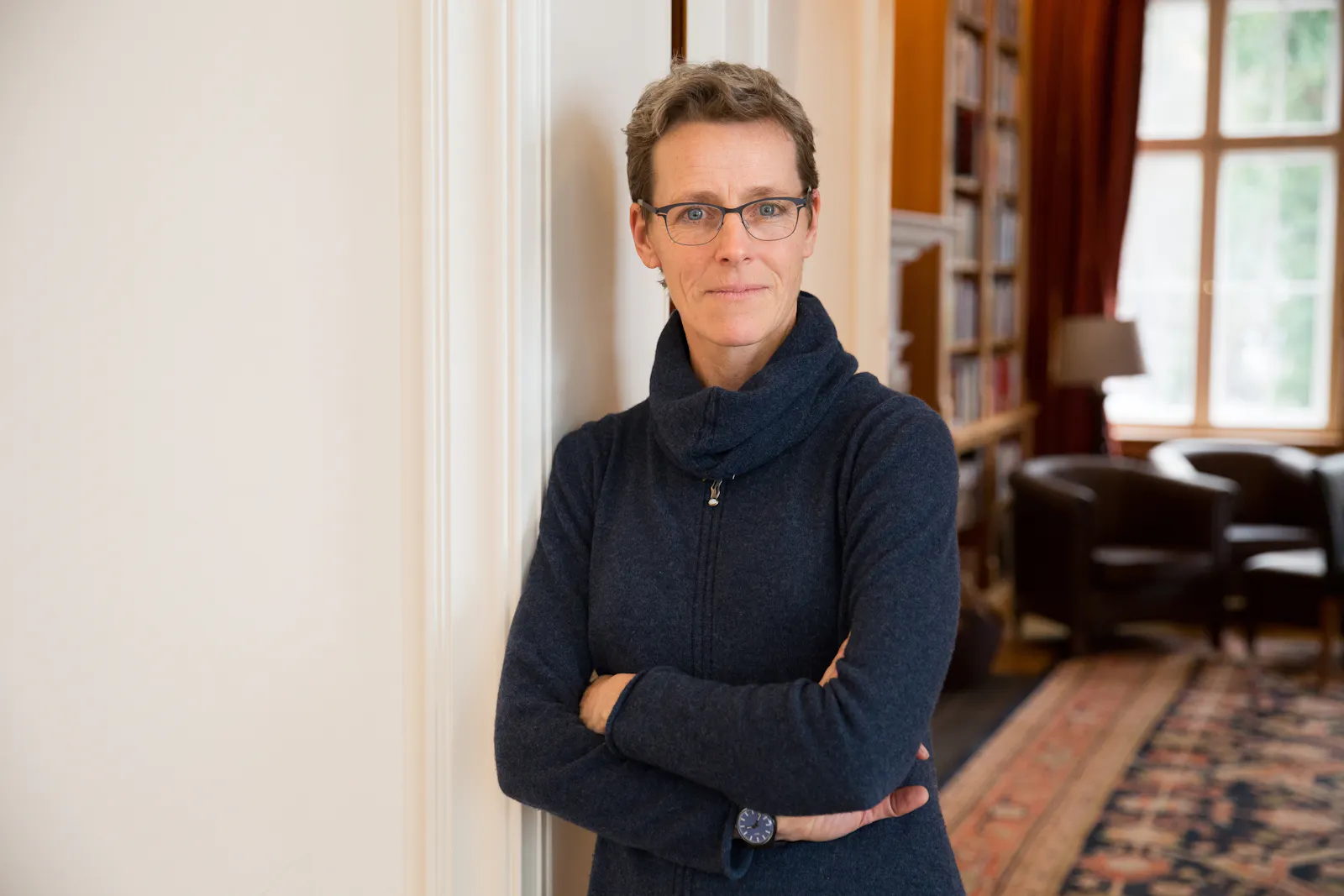
Kate Brown, photographed by Annette Hornischer
I’d like to start by talking about the way that Tiny Gardens Everywhere, really interestingly, almost transcends the opposition of urban vs rural, in a way that flipped my understanding of these binaries. You discuss how planners and developers write onto the landscape: ‘these manifestos drew a line between city and wilderness, between clean, orderly urbanites and the dirty rabble.’ But if anything, what I feel most exposed to currently is the idea that the country promises a pure life, a life without the rabble, without all the human bodies to taint the landscape. Were you thinking of this divide when writing? If so, did you feel compelled at all to re-empower urban space and its potential in light of the cultural turn I mentioned?
I was thinking that none of these artificial divides between town and country, and nature and humans make any sense. The landscape in the countryside is as artificial, as much a ‘second nature’ as cities represent. And, I was inspired by the growth of biodiversity within cities, in contrast with the mono crops of soy and corn, which span all the way up to the road in rural space in the US. No more are there any swales or gardens or anything else other than these monocrops, which are constantly bombarded with chemical warfare. Nitrates, which when they’re not explosive, are actually explosive in soils.
By 2050, they say two thirds of the world will live in cities. Yet cities have these traditions which are very similar to the stories we tell about the countryside, but we don’t tell them because they don’t fit our narratives of progress, and the urban-rural divide. People move from the countryside, into the city, they were producers, they became consumers. They were ignorant, they became informed. That doesn’t make any sense! What really happened? There was still a lot of food being grown, and it is a fantastic place to grow food, because all of these fantastic nutrients people are bringing to cities. And we’re starting to understand that really good soils are human-engineered soils. Not something that nature gave us, but something that humans created, as an artefact of their activity.
Date
March 31, 2026
Topic
Author interviews
0 comments
Would you like to be the first to write a comment?
Become a member of Caught by the River and start the conversation.