Dear all,
We hope you’re doing well and have landed smoothly in the new year. The winter in Berlin definitely didn’t make it an easy start to the year, but happily we’ve been able to enjoy the first warmer days in the last few weeks.
In this newsletter we’ll update you on current articles on pocolit.com (Opens in a new window). - as usual. BUT - as a team we’ve given some thought to how we might make this newletter more interesting for our readers, and so are going to try something new. From now on we’ll take turns to write about different topics. That might include our work, books you should definitely read but which are not necessarily poco.lit.-related, or movies and other topics that we can’t get out of our head.
In this edition Susi will write about some books she read that consider East German identities and history.
New Book Reviews
We kicked of the new year with four new reviews:
📚 There are Rivers in the Sky by Elif Shafak (Opens in a new window) (in German Am Himmel die Flüsse translated by Michaela Grabinger)
There are Rivers in the Sky is an urgent reminder to be the stewards and the caretakers of our history and homeland as best we can so that our path forward isn’t one in which our precious bodies of water bear the punishments of those in power who so often feel free to mistreat them.
📚 Weltenwechsel by Marion Kraft (Opens in a new window)
Marion is a long time friend of poco.lit. and we felt very honored when she asked us to be one of the first readers of her debut novel Weltenwechsel. The story is centered around Julia, daughter of a white German woman and a Black US-American GI, who is born shortly after World War II.
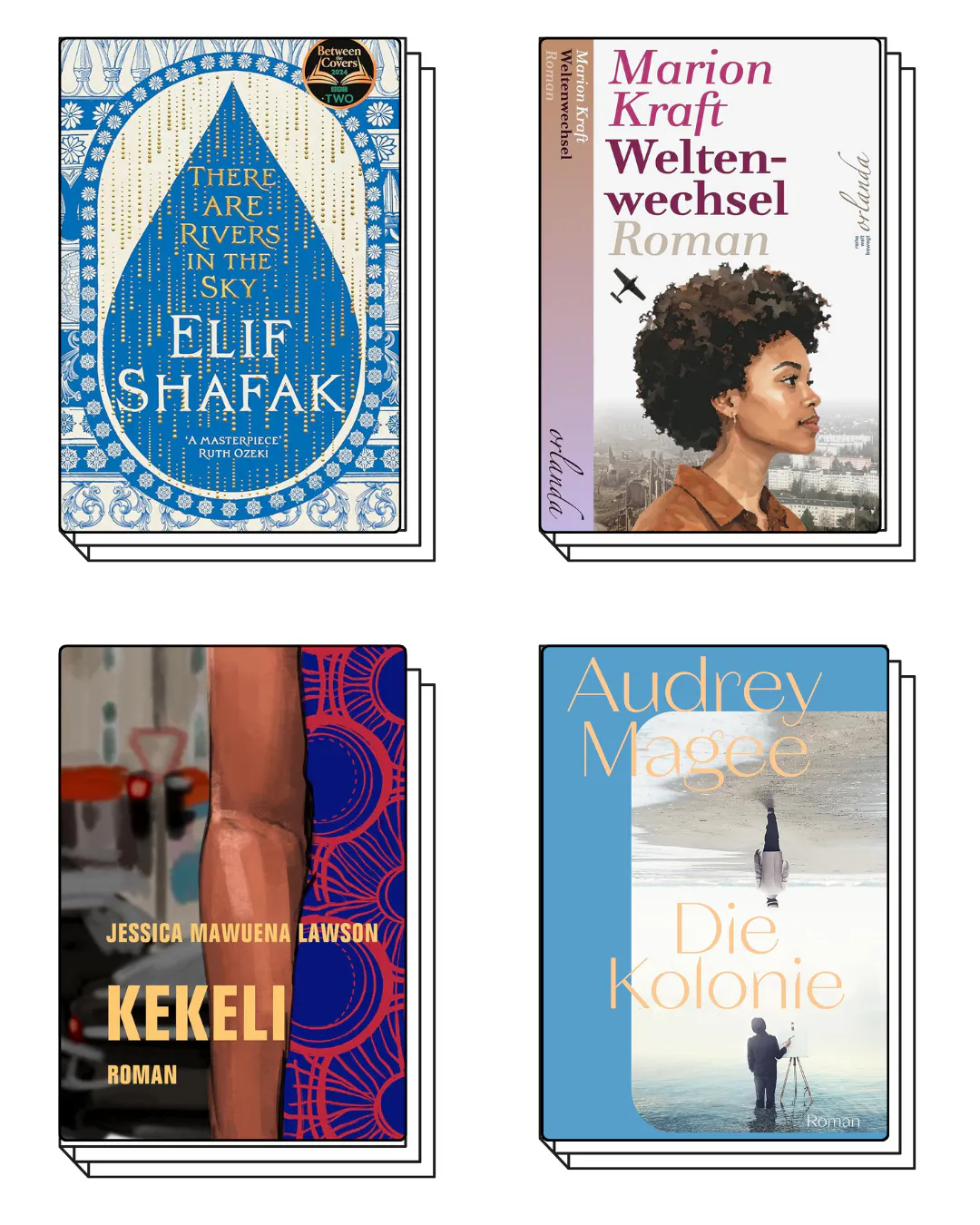
📚 Kekeli by Jesscia Mawuena Lawson (Opens in a new window)
Set in that magical time between high school graduation exams and whatever comes next. During these few weeks, young adults often suddenly find themselves with a lot of time on their hands. The protagonist Kekeli uses this opportunity to try new things, and falls in love for the first time.
📚 The Colony by Audrey Magee (Opens in a new window) (in German Die Kolonie translated by Nicole Seifert)
It is the summer of 1979, Ireland and Northern Ireland are dominated by the Troubles, but on a small remote island off the west coast of Ireland, this is hardly noticeable. On the island, other conflicts arise with the arrival of two strange men, highlighting the consequences of colonisation.
New Essays
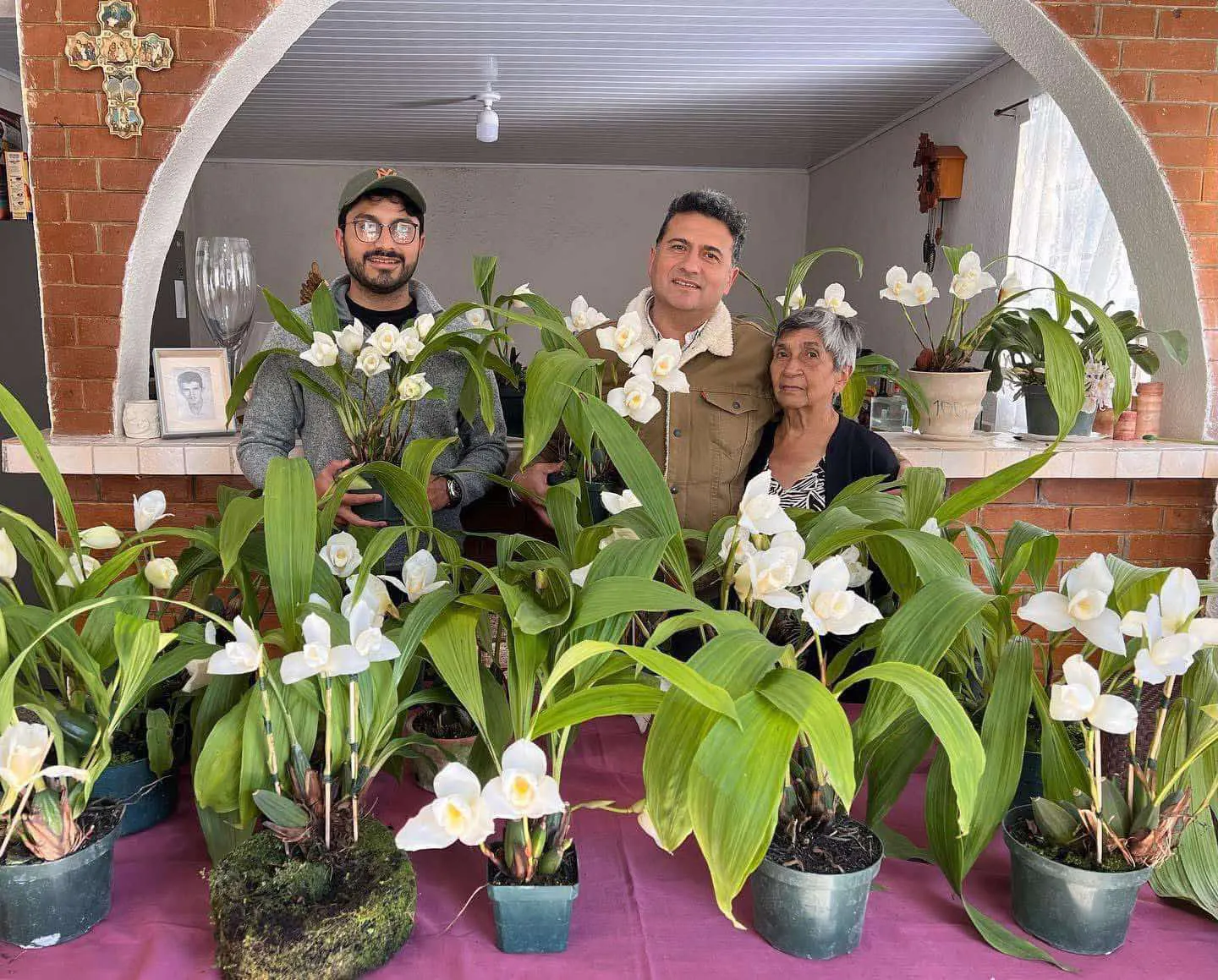
Right on time with the Monja Blanca Day in Guatemala, a national holiday that honors the rare white orchid, we published an essay:
📚 Monja Blanca Day: a nation celebrates a flower (Opens in a new window)
We take this as an opportunity to reflect on national symbols and talk to Guatemalan botanist Fredy Archila, who is committed to protecting the flower.
Susi’s Recommended Reads
I was born in East Germany a few years before the wall came down. Growing up, I rarely thought about being from a different country and how it affected my upbringing. In the last couple of years however, I’ve developed a keen interest in the history of the GDR and how being East German can be a factor of structural inequality.
I want to highlight three books that helped me immensely to understand the GDR as a state, but above all what happened to people after reunification. Unfortunately, non of these books has been translated into English.
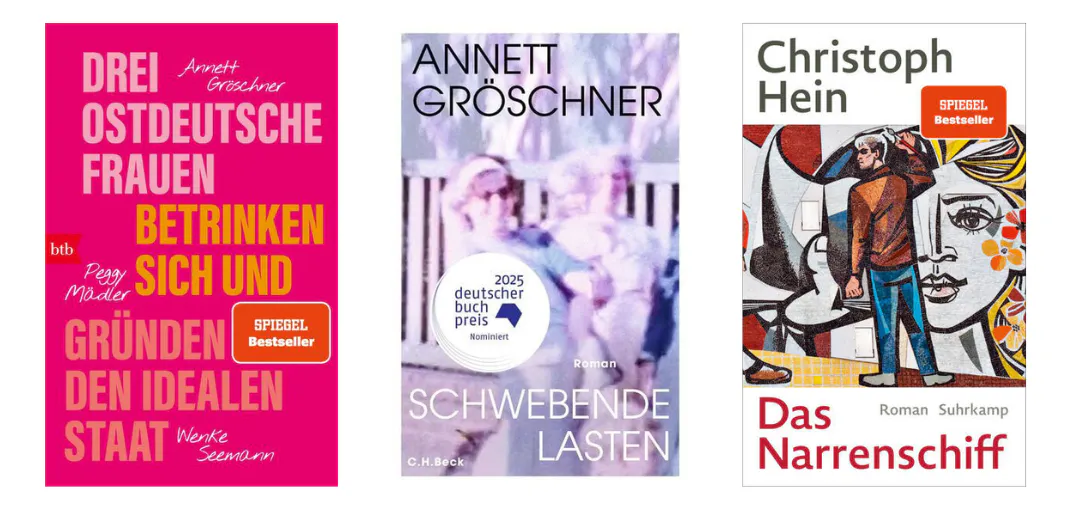
📚 Drei ostdeutsche Frauen betrinken sich und gründen den idealen Staat by Annett Gröschner, Peggy Mädler and Wenke Seemann
Readers accompany the three authors from different generations over seven days during which their conversations were recorded as they talk about the GDR, the current political situation in East Germany and how the period after the fall of the Berlin Wall may have contributed to it. There is much to learn from this book, and it is incredibly enjoyable to follow these brilliant women's thoughts.
📚 Schwebende Lasten by Annett Gröschner
How much can happen in one lifetime? From the beginning of the Nazi era, a terrible war, reconstruction, through the period in the GDR to reunification, we accompany the life of the protagonist Hanna through an eventful 20th century. With reduced but poetic language, Annett Gröschner gives space to an ordinary woman and moves readers deeply.
📚 Das Narrenschiff by Christoph Hein
This work by Christoph Hein comprises almost 750 pages. It is not always easy to read, and often seems to inform rather than to tell a story. Nevertheless, it offers an impressive chronological overview of the 40-year history of the GDR, which he builds around a loose circle of friends. The group consists of former Nazis, convinced communists and conformists. It quickly becomes clear that the GDR was destined to fail.
Thanks for reading, and for your support!
If you enjoy reading our newsletter, your friends might too. Feel free to forward this email. You can subscribe via this link (Opens in a new window).
All the best,
the poco.lit. team
P.S.: The newsletter is free for all. But if you want to help to make poco.lit. more independent, you can become a supporter:
Date
March 16, 2026
0 comments
Would you like to be the first to write a comment?
Become a member of poco.lit. and start the conversation.


