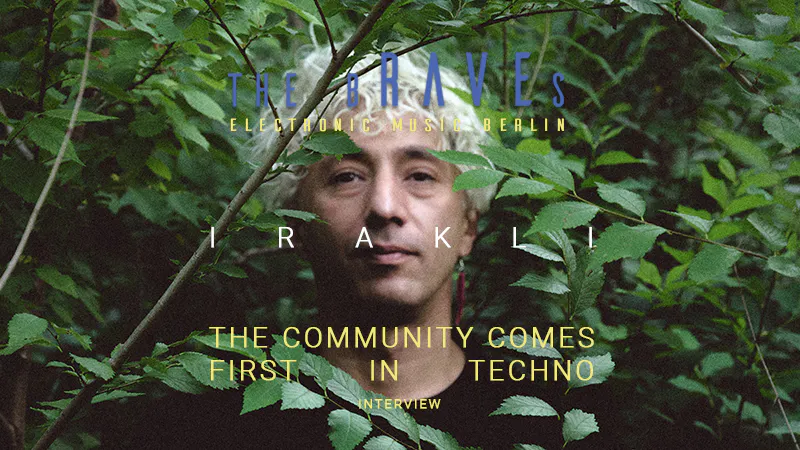
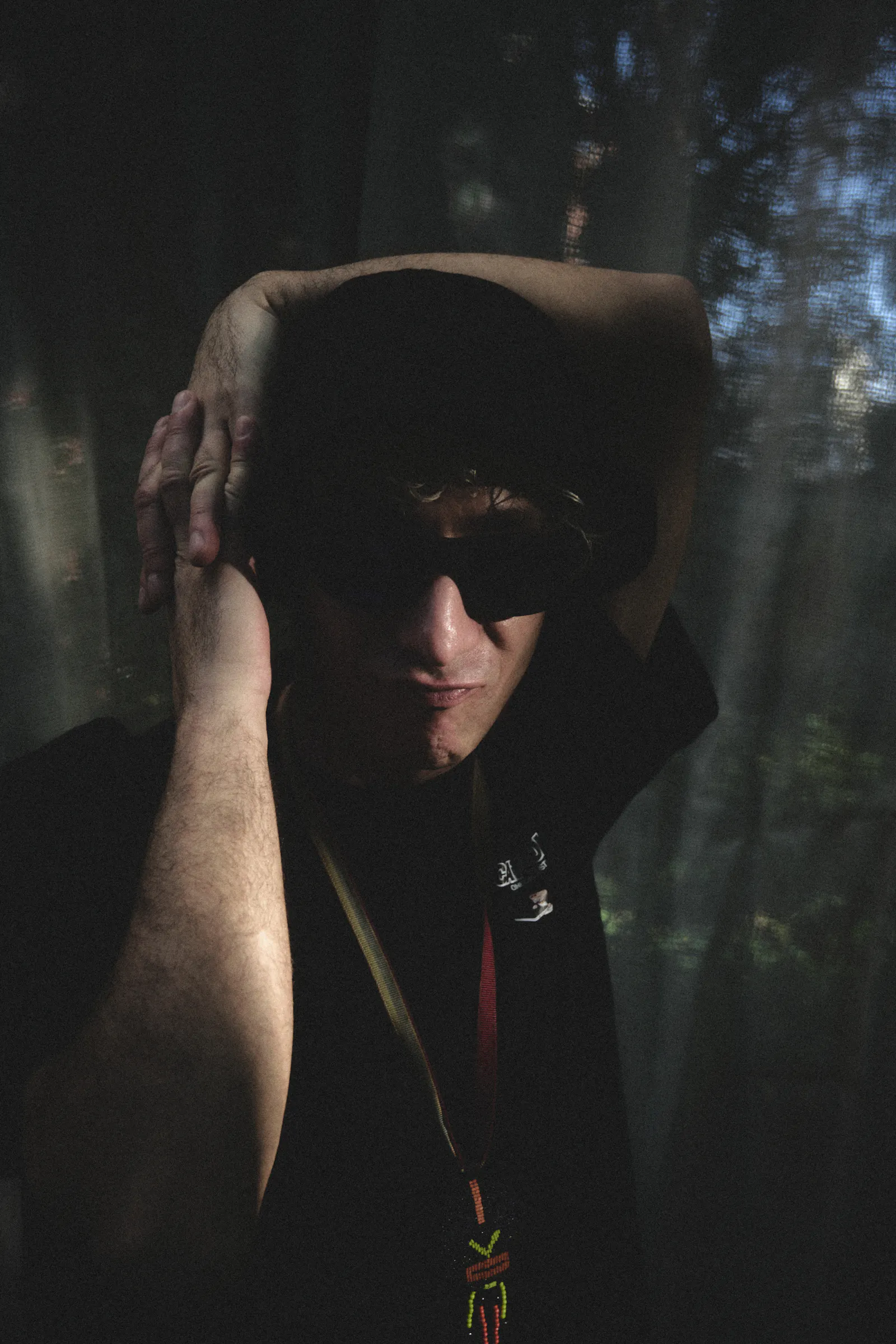
If you sum up a funk set, an ambient production, architecture, a vinyl label for experimental music with an unpronounceable name, graphic design, deep and fast techno beats on the dance floor, an after-hours party series without a line-up for twelve years, a multifaceted vision, a clear political stance and a community spirit, then that's Irakli (Si apre in una nuova finestra): one of the creators behind STAUB and the Intergalactic Research Institute for Sound, as well as the second half of the production duo I/Y. Originally from Georgia, he has lived in Germany since the 2000s and in Berlin since 2010. Are his views on community in the techno scene, his appreciation of subculture history and his socially just worldview still relevant today? Part I of the big interview about Techno, STAUB, Germany and politics.
Support this story with a comment and a like on our instagram (Si apre in una nuova finestra) channel.
the bRAVEs: How did you get into music?
Irakli: Music is an essential part of life in Georgia. Even as a child, I experienced how my family sang together when we drove in the car or when the family got together. This culture of singing was so familiar to me that I took it for granted, but I soon realized that it wasn't common everywhere. Later I studied architecture and design and started producing music during my studies. The decision between a degree in design and making music was difficult. I opted for my degree and deleted all music programs. Nevertheless, I stayed true to music, collected records and DJed at parties. I never had the goal of becoming a producer or starting a label; it just happened that way. Looking back, I am grateful for this spontaneous path that has made me what I am today.
the bRAVEs: What visions are you pursuing?
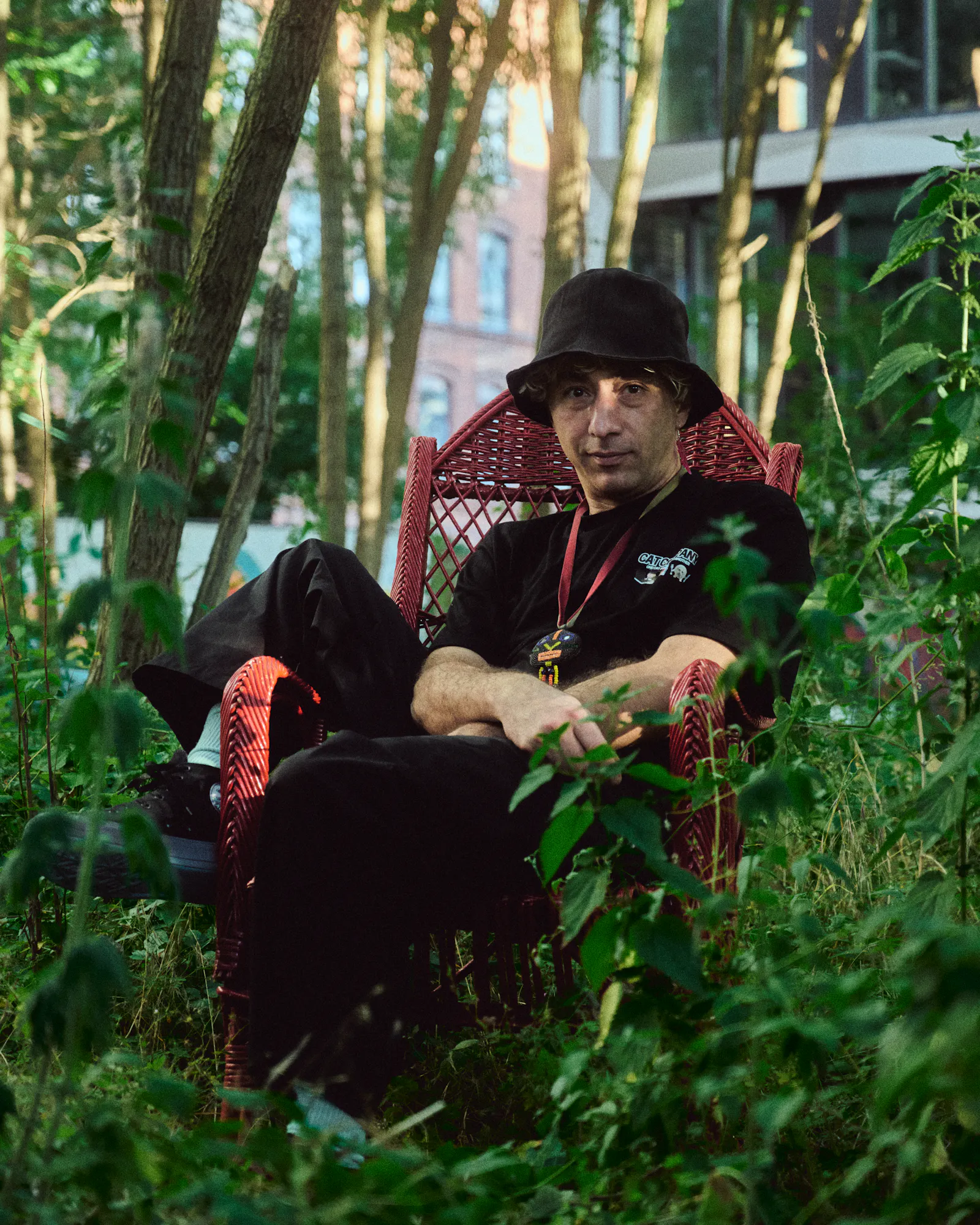
Irakli: It's difficult for me to summarize my vision. Music can be perfect, but if it is not convincing in terms of sound aesthetics or offers no surprises, I find it boring. I don't compromise if a producer seems too accessible, even if they are talented. I can't make rules, but I stick to certain principles and wouldn't release or invite artists whose music or attitude I don't like. Community is very important, especially in the electronic music scene. I respect the history and the people who have contributed to the subculture. Criticism of clubs or festivals is justified if they don't respect the values of the subculture. I think it's important to deal with its origins and values.
the bRAVEs: You've been in Germany since the 2000s. How have you developed?
Irakli: I came to Cologne to study. I am grateful for the deep involvement with electronic music, which was not divided into genres but offered a mixture of everything. I started with experimental records and learned to mix different styles. In Berlin, I met DJs who could only mix with a certain beat, which was alien to me. I appreciate the diversity and creative mixing, like a friend of mine who integrates hip-hop into house sets in such a way that the audience hardly notices. A visit to Berghain, where Marcel Dettmann was playing, showed me that good DJing doesn't just get faster and harder, but keeps the energy on the dance floor through intensity and the right choice of tracks. That is the art of DJing.
the bRAVEs: Why didn't you give yourself different aliases for the different genres of music you produce, as many do?
Irakli: I have consciously decided against it. I am me, and I don't want to divide up my art. Managing many social media channels and labels is already a challenge. That's why I decided against a new alias and play under my own name, whether techno or ambient, because that represents my work and my mindset.
the bRAVEs: Has your attitude towards techno changed since you started?
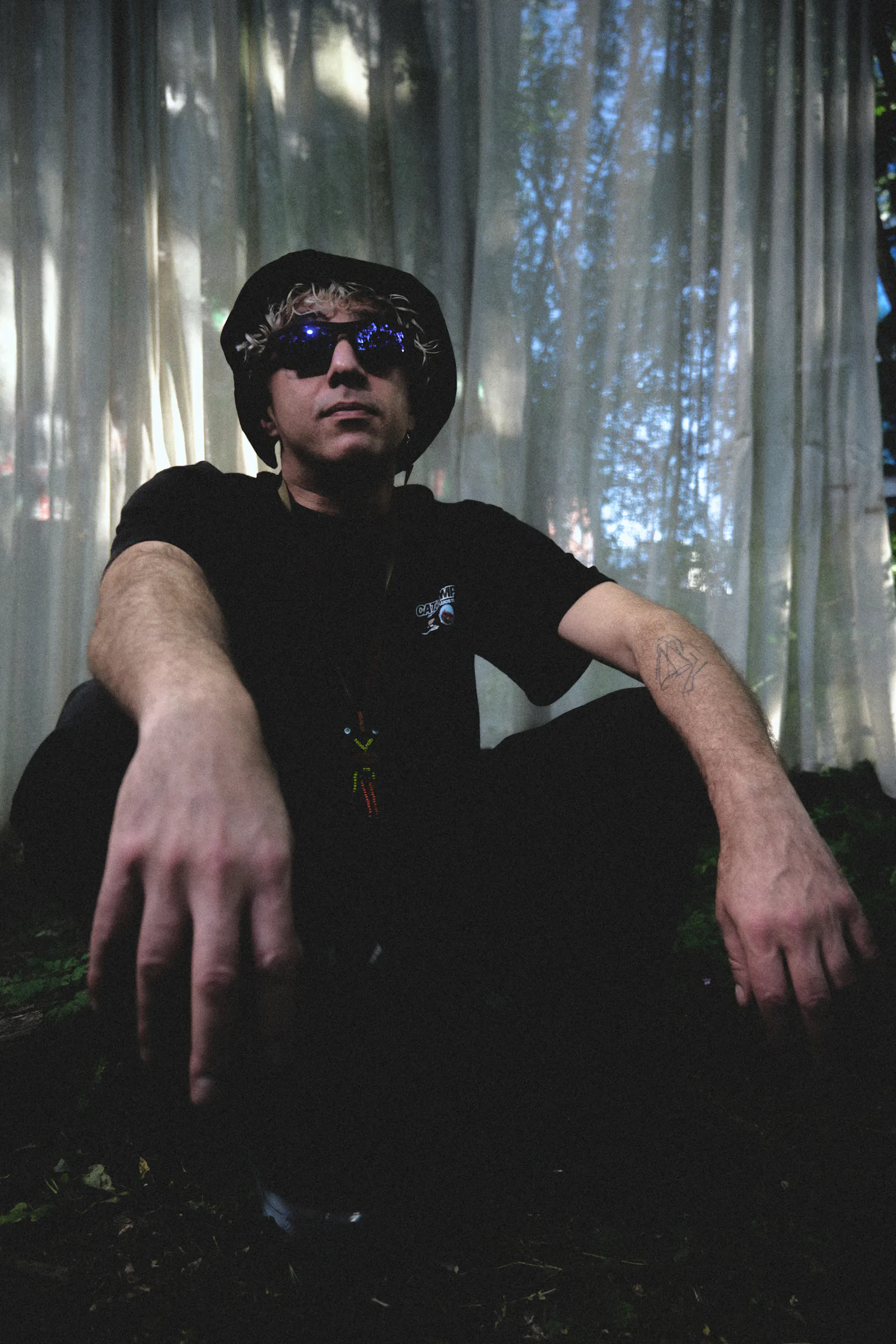
Irakli: I find the question of how music influences perception and values fascinating. In particular, the subculture in Georgia has contributed greatly to human and queer rights. My relationship with the genre has evolved. Initially, it was more about the musical experience and immersing myself in the space through dancing. Over time, I've developed a more refined ear and pay attention to details that determine the quality of a track for me. Not everything that is musically interesting also feels good when you dance to it.
Techno is not just dance music for me; I also enjoy it outside the club.
The more I produce and release, the more my perception changes and I hear things differently.
the bRAVEs: Did world politics play any role for you in the past?
Irakli: When I left Georgia, there was little hope of improvement and the global political situation was unclear. The Rose Revolution (Georgia, 2003 - editors note) gradually brought democracy and human rights. Back then, my political conversations were more focused on social issues, not on global order or wars. The anti-capitalist attitude was present in the club scene; today it seems irrelevant whether corporations sponsor clubs.
the bRAVEs: What has changed since you moved to Germany?
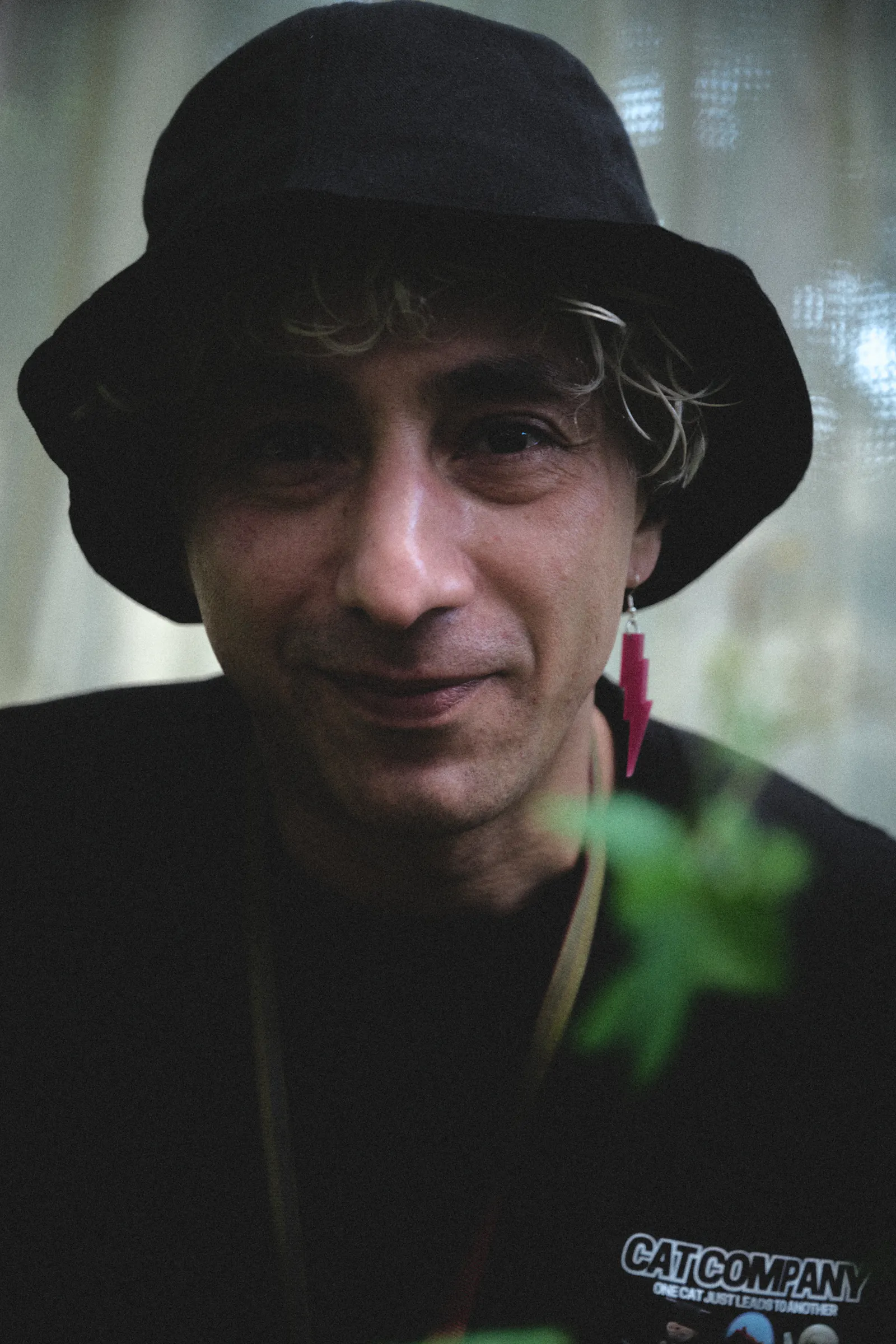
Irakli: Political issues have always existed, but the focus has changed. In the '90s, global networking was not as robust, and problems in other countries seemed distant. As a Georgian who grew up in a very different environment, I was unaware of the extent of structural racism until I came to the U.S. After arriving in Germany, a country I thought exemplified democracy and human rights, I realized that inequalities existed there as well. This realization came after years of living in a post-dictatorial country marked by civil war and political conflict. Despite the challenges here, it is still better than the crises I experienced.
the bRAVEs: You are the co-founder of STAUB (Si apre in una nuova finestra). What is it about?
Irakli: The party was initially called “Dust” and was first run on Sundays. We later switched to Saturdays and were happy with the result. The beginning was also difficult. But more and more people came, cause they trusted that it would be good. After one of the co-founders left the team, there was a consideration to stop, but then we changed the name to "STAUB" and decided to keep the concept of not announcing the line-up.
Our trademark is to promote newcomers. In the current difficult times, we are one of the few places that give them a chance.
Quality is very important, doesn’t matter how well known the DJs are.
the bRAVEs: 12 years of STAUB. Isn't that getting boring?
Irakli: The tenth birthday was a critical moment that raised many internal questions. Despite a two-year pandemic break, we wondered if we still had the drive and energy to innovate.
It's important that all artists, whether new or experienced, receive the same pay, as no one comes for a particular DJ without an announcement.
We are constantly monitoring our energy and motivation. We critically examine each party to find improvements. If I ran out of energy or ideas, I would stop, but as long as the enthusiasm is there, I'll keep going.
the bRAVEs: What does techno mean to you anyway?
Irakli: For me,
the community comes first in techno.
It's important to foster an open and diverse movement that isn't just fixated on one style. The popularity of techno has changed and with it the perception of what is considered “underground”. Even the term "business techno" has now seems to disappear, as much of it has become commercialized. Berlin used to be anti-capitalist, but this phenomenon has also almost completely disappeared, apart from a few clubs that still pay attention to fair admission prices and appropriate payment of residents. It's fascinating to see how the scene has developed, as the free spaces of yesteryear have now become a business.
Interview was first published (Si apre in una nuova finestra) on Jul 10, 2025
https://soundcloud.com/irakli/sets/irakli-mechanical-moon-lp-live (Si apre in una nuova finestra)https://soundcloud.com/reclaim-your-city/reclaim-your-city-660-irakli (Si apre in una nuova finestra)PHOTOS by
Alexander Weigandt (Si apre in una nuova finestra)
INTERVIEW by
vdm.berlin (Si apre in una nuova finestra)
IRAKLI
Instagram (Si apre in una nuova finestra) I Soundcloud (Si apre in una nuova finestra) I ra.co (Si apre in una nuova finestra)
STAUB
Instagram (Si apre in una nuova finestra) I Soundcloud (Si apre in una nuova finestra)
Intergalactic Research Institute for Sound
Instagram (Si apre in una nuova finestra) I Soundcloud (Si apre in una nuova finestra) I Bandcamp (Si apre in una nuova finestra)
the bRAVEs — Electronic Music Berlin
linktr.ee (Si apre in una nuova finestra) I Instagram (Si apre in una nuova finestra) I Telegram (Si apre in una nuova finestra) I Soundcloud (Si apre in una nuova finestra)
Data
11/02/2026
Argomento
INTERVIEWS SEASON II