2026/02/18
If we believe Mark Rutte, then we cannot, and we can only “keep on dreaming” if we think we have a chance without the mighty United States military. But can we trust him? I mean, he is the Secretary General of NATO! If anyone, he knows best.
He is however still a politician with a specific mandate. His job is to keep NATO together and functional, and to make sure that it remains the only game in town as a security organisation. Today his most important responsibilities are to keep the US in, and to convince everyone that NATO is alive and well, and there is no alternative to it. Thus, it is not in his interest for the European countries to believe that they can defend themselves without NATO.
His objective currently is not to look at what are the separate interest of the Baltic States, Finland, Poland, or even the European Union. And definitely not to advocate for a European Army, or any sort of security cooperation outside of NATO. That would be a political loss for anyone in his position.
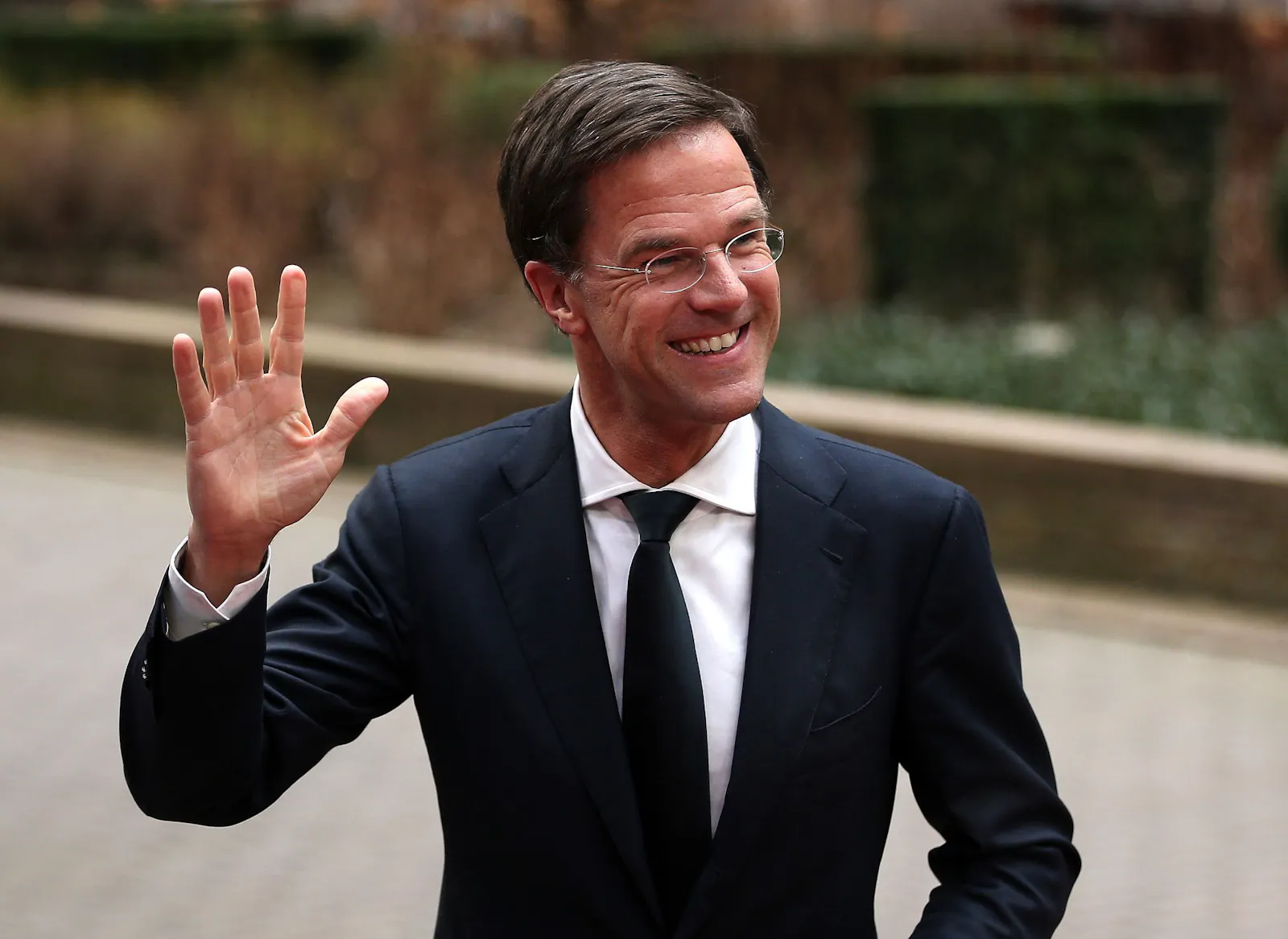
Rutte is only doing his job, and he is doing it exceptionally well. After all, he didn’t get to where he is merely because of his friendly smile. But if we truly want to answer this question, he is not the one to ask.
Firstly, we need clarification. What is “Europe”? Who do we need to defend ourselves from? And what does defending ourselves mean?
What is Europe?
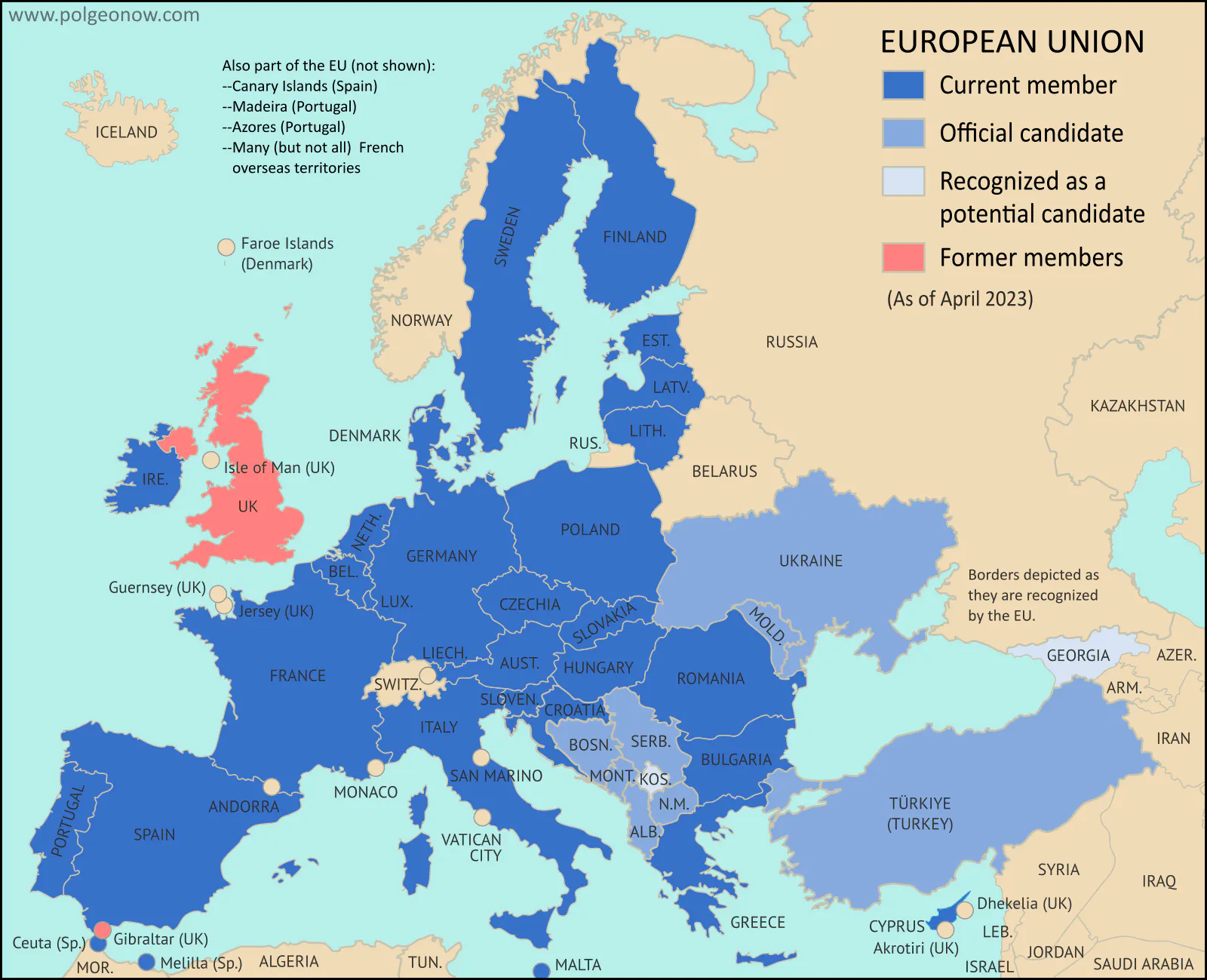
Sure, we have a geographic definition of what Europe is, but if we take politics into consideration and arrive at a geopolitical level — which we are here for after all — this will not serve us very well. Regardless, it’s a good place to start. This is the best map I could find of what Europe is geographically:
 (Öffnet in neuem Fenster)
Still, the borders presented here are murky. Cyprus is arguably in Asia rather than Europe, but it would be wild to ask if we can defend Europe, and not take Cyprus into consideration.
Similarly, it would be strange to debate in this context if we can defend Russia and Belarus… This is the only definition of Europe where they will show up in this piece. That being said, we cannot act like they are not in Europe. If Ukraine and the Baltic countries can become free democracies, what law of nature dictates that Russia and especially Belarus are deemed to stay the way they are forever?
From our perspective, the most obvious answer would be that Europe is the European Union. This, however, makes it seem like Ukraine, Moldova, many countries in the Balkans and the Caucasus, Norway, Switzerland, Iceland, and Greenland are not Europe. Most of these are either NATO members, or aspiring NATO and EU members.
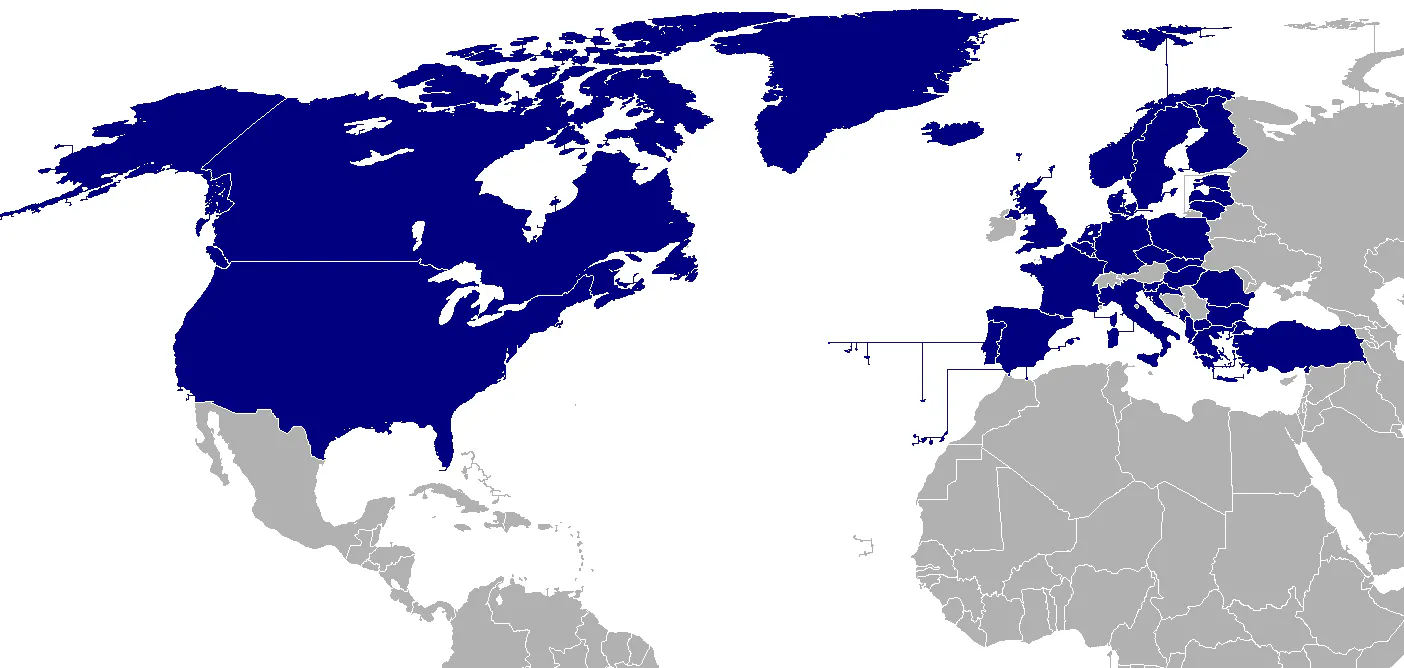
If we go across the Atlantic and look at ourselves from an outside perspective, for many security analysts in the US the answer in this context would be equivalent to NATO. But Canada is also a NATO member. Some voices lately advocate for Canada joining the EU, one way or another. So, is Canada also Europe somehow?
Then there is a broader definition, the 46 member states of the Council of Europe. Countries all the way from Greenland to Azerbaijan, from Norway to Cyprus. This interpretation is not without its issues, either. For example, Kosovo is not a part of it, but many might argue that it is a country worth defending.
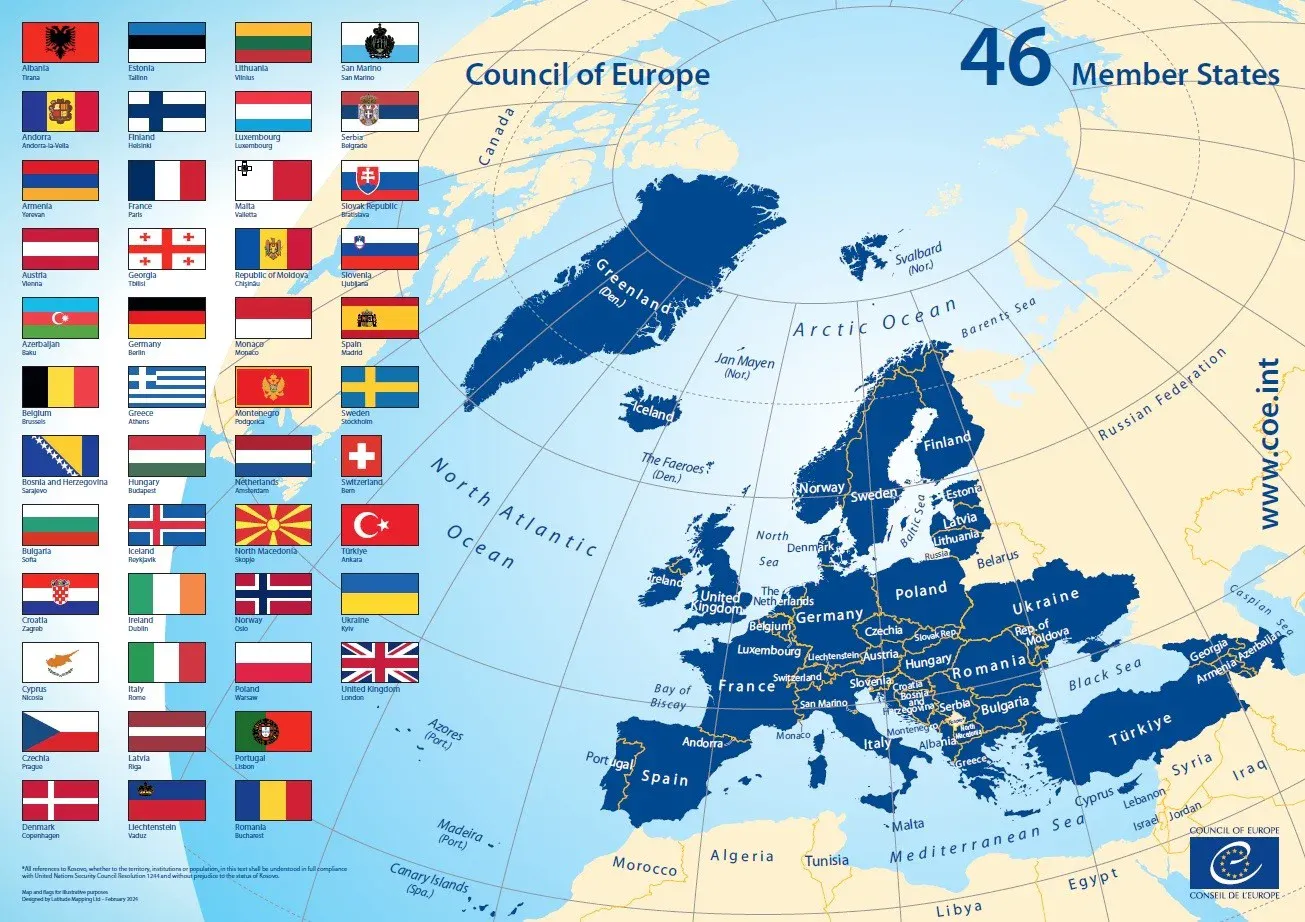
Still, this is probably an angle worth considering. There are however other problems here besides Kosovo.
Countries part of the Council but outside the EU are vulnerable to having conflicts with one other, and there are no security treaty obligations on this level. It’s a loose club with the noble goal of maintaining peace by protecting human rights, the rule of law, and democracy. The disputes among the member states are not immune to escalating into a military confrontation.
Should we also consider them when talking about defending ourselves? This leads us to the second question.
What do we need to defend ourselves from?
The clearest answer we think of today is Russia. But if Russia disappeared tomorrow, we would not be left without security challenges all of a sudden. As we saw with Trump’s Greenland folly, the threat could even come from the place we least expect, our most important defence guarantor.
Obviously, there is the issue of terrorism that can affect anyone, but there is also the danger that Europe presents to itself. Armenia and Azerbaijan, Serbia and Kosovo, Bosnia and Herzegovina internally, Greece and Turkey, Cyprus and Turkey, Armenia and Turkey…
And what about China? The world is a smaller place than ever. Nobody expects Chinese troops landing on the shores of Greece, but they do exist as a potential threat in the cyberspace, via economic and political pressure. They could have the capacity to interfere with our elections, and pressure us on different espionage fronts. Areas where we often consider Russia as the main danger, but they could also develop similar capabilities, and the incentive to deploy them.
What does defending ourselves mean?
If we go down this rabbit hole into the details, this could get complex very fast. I will keep it simple.
Let’s start with the most obvious definition. Defending ourselves from military threats. Both from outside powers, and from within our own club(s). If that is the case, the question should rather be “Can we guarantee peace in Europe?” — this implies that we can also manage to avoid confrontation between Greece and Turkey, Serbia and Kosovo, Azerbaijan and Armenia, and any civil war that might be brewing in any part of the continent.
History suggests that full democracies never go to war against each other. If we believe that this will hold true, we can conclude that authoritarian systems are something that we always have to be suspicious of because they can easily pose a threat. So we have to be prepared to defend ourselves from authoritarian regimes. But can we prevent our own societies from becoming authoritarian?
There are pressing common challenges that affect all of us. The threat of uncontrolled or even weaponized migration that has the power to destabilize societies and erode democratic norms from within, and the climate crisis. These both have the power to fuel an authoritarian takeover.
Broadening this to another layer, can we make certain that our countries and its citizens prosper, and that we will be able to ensure we can act according to our own interests, and not of foreign powers?
I will not go deeper, but I believe it’s a good way to think of “defending ourselves” as the Maslow’s Hierarchy of Needs on a societal scale. If we have one level figured out, we will constantly strive to fulfil the next one.
Europe got pretty good at securing most levels, but it seems like we might be wobbling a bit, and the challenges of the 21st century have potential to destabilize all of them. Talking about things like technological development and their disruptive effects on society, AI, robotization and the coming wave of automation, etc.
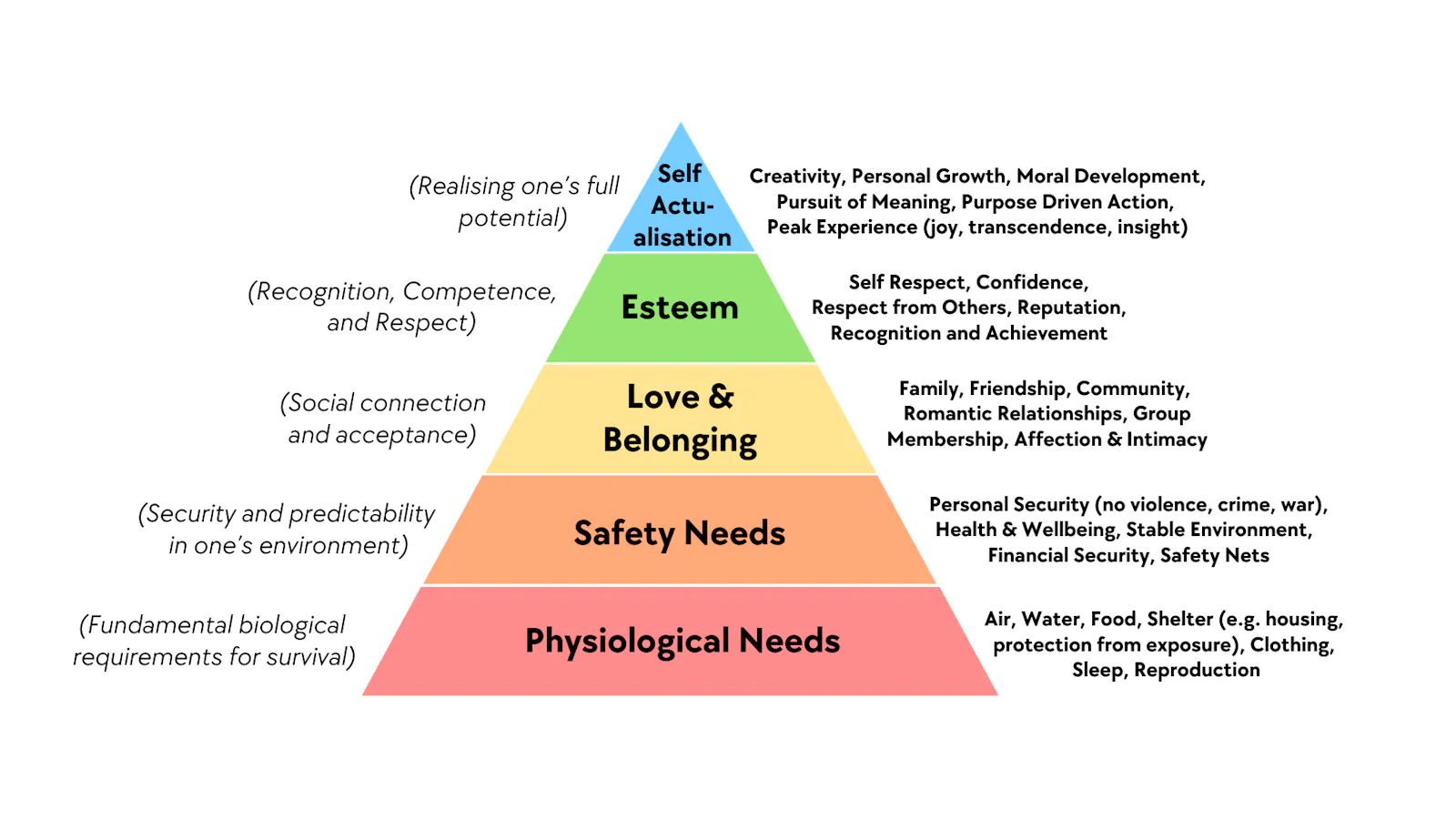
So to summarize, in the broadest sense:
What is Europe? — Europe is currently the 46 member states of the Council of Europe + Kosovo + maybe Canada.
What do we need to defend ourselves from? — Russia, the US, China, terrorism, kinetic and espionage threats, election interference, migration, climate change, technological disruptions, and conflicts among and within the member states elevated by authoritarianism.
What does defending ourselves mean? — to guarantee peace, prosperity, and human flourishing among the member states and their populations, and to be able to act on our interests and protect them on the world stage.
So, can Europe defend itself? Short answer, no, as of now, we cannot fully.
Longer answer, we are doing exceptionally well from a historical perspective, but there are still some ways to go. We cannot ever be a clear, unequivocal 100% yes. This will be a constant challenge and balancing act. But this should be the mission and goal we strive for in the 21st century.
OK, I know this is not the answer you’re looking for. What you want to hear is whether the European Union and European NATO countries can defend themselves from a Russian military invasion. This is the most pressing issue on everyone's mind, and this was the question Mark Rutte answered to.
We have to narrow our interpretations
What is Europe? — members, potential and aspiring members of the European Union with democratic governance.
What do we need to defend ourselves from? — a Russian military attack.
What does defending ourselves mean? — this has two crucial aspects. Whether we can repel a direct Russian attack, or if we can deter them from ever attacking.
In my opinion, the answer to the first aspect is yes, we can protect ourselves. But I am not sure that Putin believes this. If he doesn’t, he might miscalculate, like he did in Ukraine. Our main goal to avoid a war is to prove him and anyone who would want to attack Europe, that we are capable of resisting. In one word, deterrence.
Why can the EU defend itself from Russia?
Let’s look at the naked numbers.
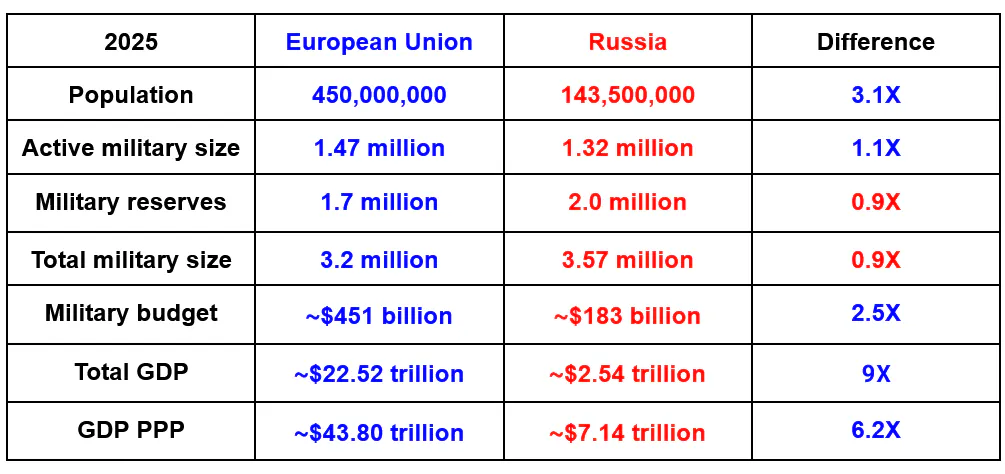
The unified forces of the EU and its partners are a giant compared to Russia. Our disadvantage is the lack of unity and coherence.
I am not a military expert. I cannot tell how European militaries as they currently stand would fare against the Russian armed forces. Many of them warn that we are extremely unprepared and inexperienced in a time when Russia is on war footing for years now. They are already fighting the wars of tomorrow, while we are still underprepared for the wars of yesterday.
But frankly, it is nearly impossible to tell how things would play out in reality. No military plan survives first contact with the enemy. The overwhelmingly prevalent assumption before 2022 February was an easy Russian military victory over Ukraine. The discussion focused more on what exactly Putin wants to occupy, to annex, and to what extent he can pacify Ukrainians with the military he set out for the invasion.
If we went back in time to the first weeks of 2022 to show military analysts what was about to happen in the following 4 years, they would be shocked beyond belief. Probably the most optimistic among them about Ukrainian capabilities would still be surprised how adept they proved themselves to be, and how incompetent the Russians are.
However, I do feel confident about one thing. A Russian military attack against any part of the European Union or NATO would mobilize European societies like nothing else before in our lifetime.
Nearly everyone underestimated the resolve of the Ukrainian population. Most assumed that there is enough pro-Russian sentiment there that the country would eventually fold on their aspirations, and choose Russian political subordination in exchange for physical safety and economic stability. But Ukrainians decided that freedom from Russian dominance is worth paying even the heaviest costs. They proved the maxim true. You truly can’t put a price on freedom.
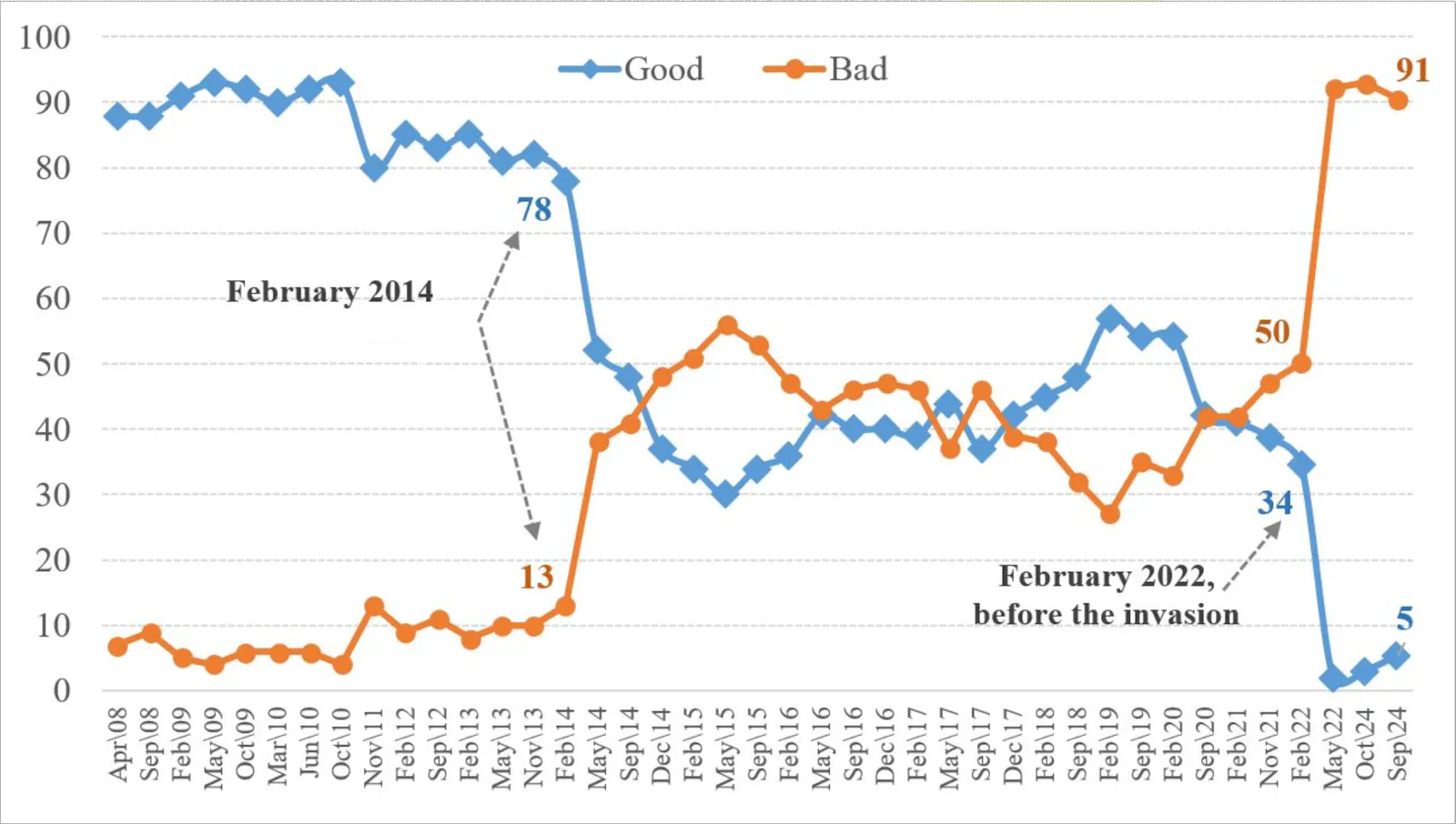
And this is a country which had positive views of Russia in large segments of society before 2014, and still mixed opinions before 2022. This shifted immediately into universal hostility the moment Russians crossed the border and bombs started falling.
Europe has nowhere near the levels of positive attitude towards Russia as Ukraine had before. Even the friendliest countries see them overwhelmingly in a negative light. In Greece, it is only 38% favourable against 60% unfavourable. Hungary 32% vs 65%. Italy 27% vs 71%. That’s it, this is the best Russia can do. In other countries this falls off a cliff with 80-90%+ unfavourable.
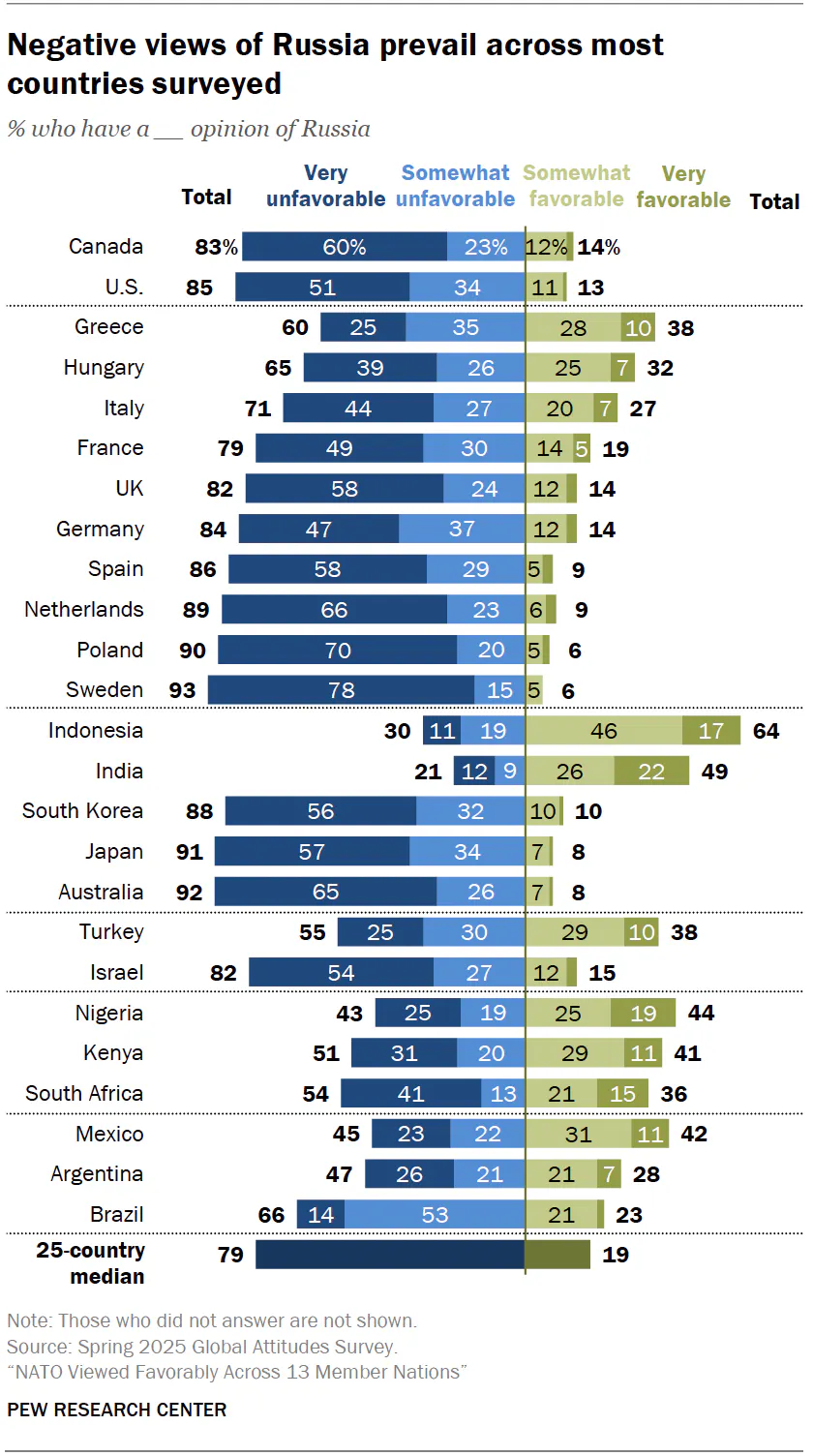
And yet, analysts are still making the same assumptions as before. That Europeans would just surrender to Russian demands, and we are unwilling to fight for the Baltics, Finland, or any of our treaty allies. Our societies are deeply pacifistic, yes. But that doesn’t mean we are going to submit to aggression.
Their argument for why Europe cannot defend itself without the US is that NATO militaries were designed around the US military leadership. We just don’t know how to organize our defence without them. This might be true, and if so, this would be a big problem in the case of a Russian attack. We might even suffer big losses, at worst the Baltic States might even be occupied before our militaries can do anything meaningful about it. But after that, there will be another day. And then the next day. And then another day after that. The pressure will be so huge that it will push us to eventually figure out how to fight together.
Let’s be realistic, who in Europe is going to tell Kaja Kallas that she should accept the occupation of her country because they are unwilling to help, despite the double treaty obligations (NATO Article 5 and EU Article 42.7), and obvious ties between their countries? Even if Orbán somehow manages to take control of other member states’ government, this would still be highly unlikely. Something like that would destroy the European Union. The prospect of that would be catastrophic enough to every member state to do something about it.
Today, the vast majority of the public opposes military intervention in Ukraine. But it’s more interesting that just before the war, a double-digit percentage of people polled around Europe would have been willing to support it in case Russia attacked them. This ranged from 18% in Italy to 38% in Portugal. After the invasion, official policy in EU member states became supporting Ukraine militarily without intervention or escalation. Any voices calling for an intervention got quiet, and there are very few polls conducted on it since. In one in Poland, currently, only a bit more than 8% would support it.
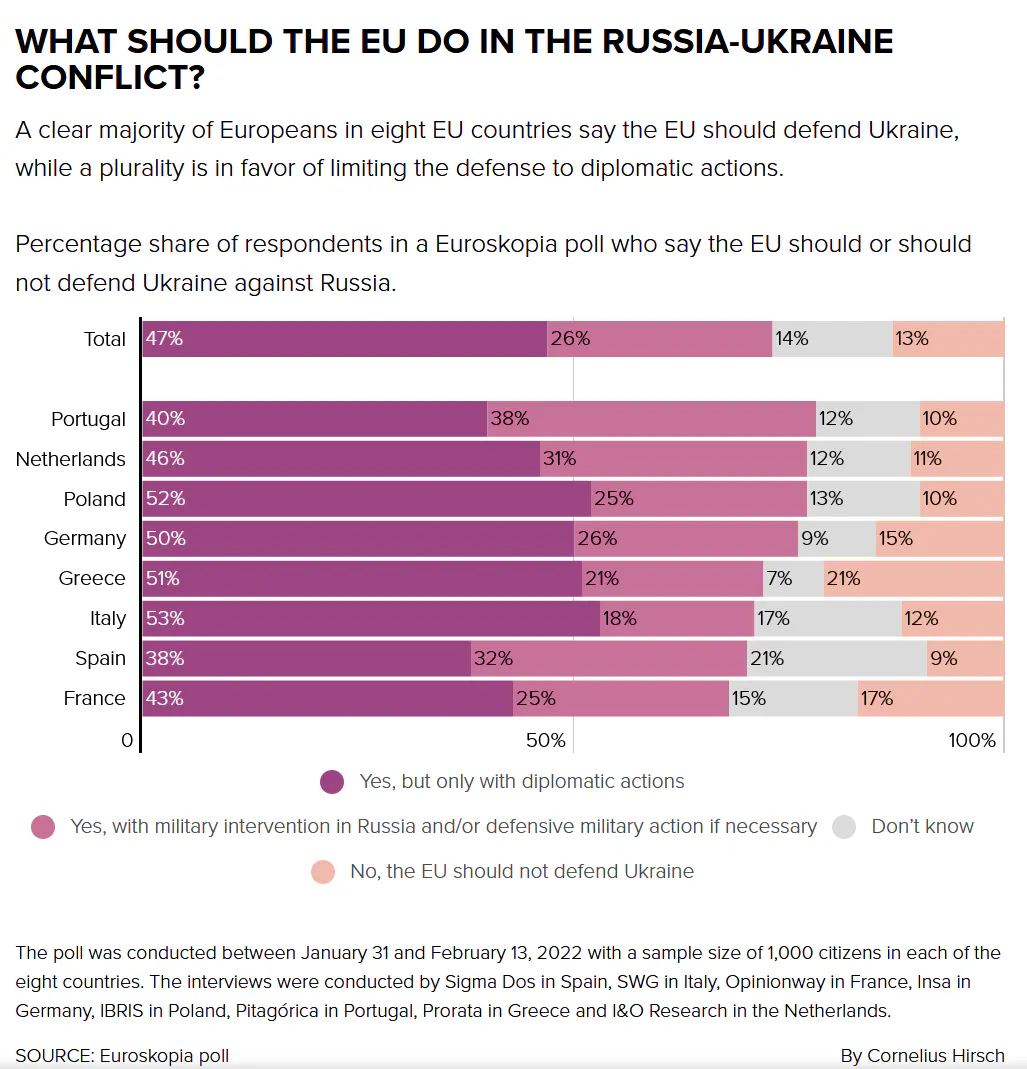
These numbers indicated militarily intervention for a country they had no obligation to defend. One that was largely unfamiliar to them, and was outside their security architectures. The perception of Ukraine was that it is helpless against the might of the Russian Army, and would be easily steam rolled.
Since Ukraine proved capable of defending itself, countries realized that — luckily for them — the uncomfortable topic of an actual intervention can disappear from the conversation. Since the US under Biden led the policy towards Russia, nobody seriously started pushing for this anyway. Meanwhile, the largely Putin-friendly populist parties after a short period of confusion and silence started to fearmonger with the prospects of this very possibility.
But the lesson remains, that European societies are much more willing to defend the continent than analysts give them credit for. I believe we proved this with our continuous support of Ukraine, and with our reaction to Trump when he threatened to take Greenland by force.
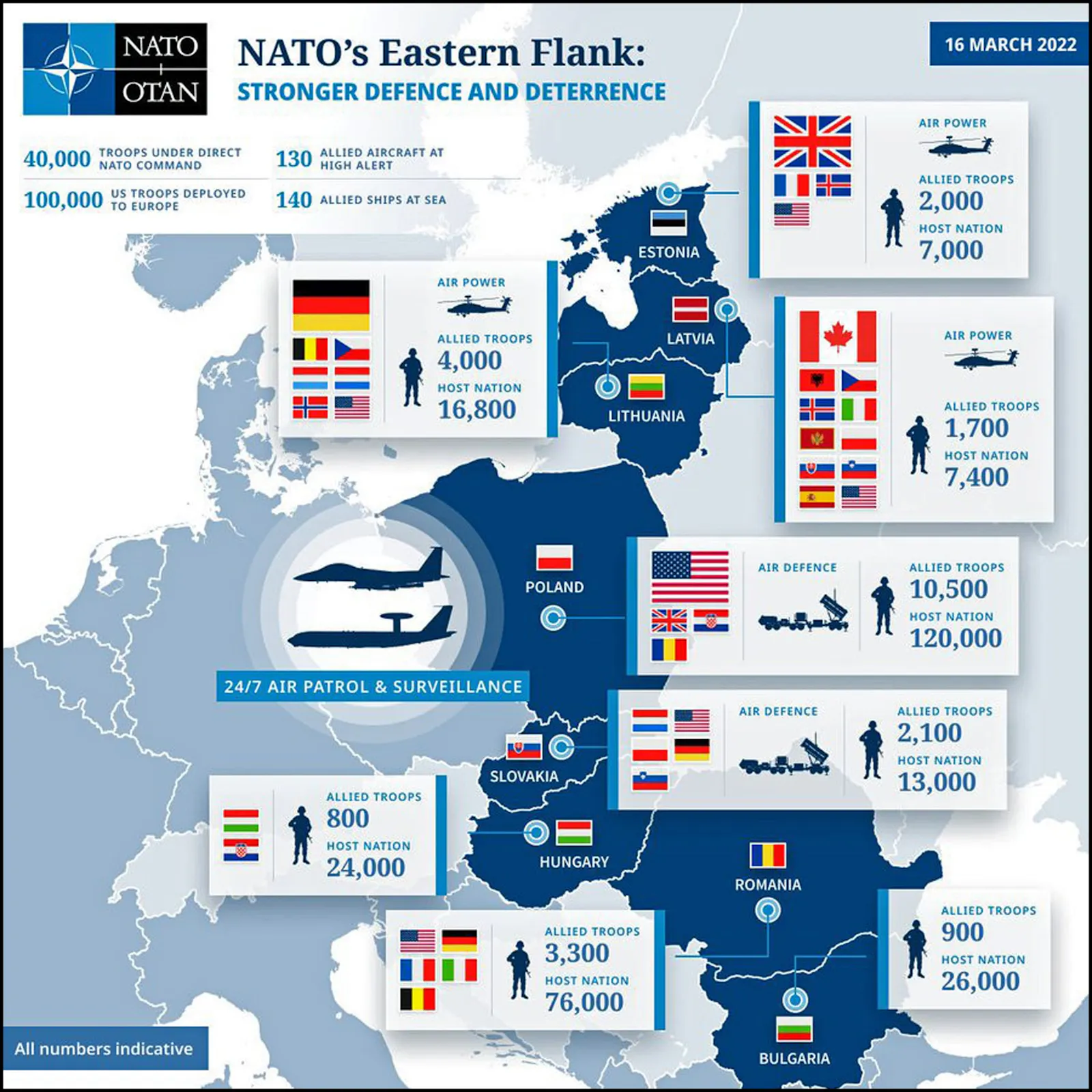
According to NATO’s 2023 yearly report, 61% of polled in member states support defending their treaty allies. It is not unlikely that this would grow in case of a direct attack by Russia on the Baltic States. Resolve hardens under threat, and ambiguity collapses in a war. We are talking about NATO territories, EU members, and places home to European military bases and troops, which would immediately come under fire.
To bring a similar historical situation, what did it matter for someone in the mainland US in 1941 what was happening in some small far-away islands in the middle of the Pacific Ocean? But they mobilized immediately once it was attacked. All the pacifism and isolationism went out the window, and they were ready to fight.
Before Pearl Harbour, more than 90% of Americans opposed entering the war. After the attack, this flipped to 97% of them supporting it. Germany didn’t even strike their land directly, only declared war, but this didn’t discourage the population from sending more than 3 million of their soldiers to fight them in Europe. There remained no debate about it at that point.
Summary
Our best bet for long-term security in Europe is the European Union. The economic and political integration of these countries made war impossible and unthinkable. Countries within do not attack each other.
Furthermore, in a democratic and free society, it’s nearly impossible for one person or movement to control the narrative to such an extent to manufacture consent to launch an offensive war against a democratic neighbour.
The real danger for peace are authoritarian regimes. Any sort of promotion, or outside support of politicians and political movements that are authoritarian leaning, threaten the security of Europe. This is our greatest long-term risk against peace.
With far-right parties in Europe polling better every year, and the US increasingly turning authoritarian, we have reasons for concern. They showcase to us that even countries with robust systems of checks and balances and a long history of democracy are not immune to authoritarian takeover.
What we need to defend ourselves is primarily to make sure the EU exists, functions, and capable of upholding its values. It also needs to expand further to include more countries to make war impossible, even where it is on the menu today.
The European Union is the most successful peace project in history. We have to preserve it, we have to protect it, and we have to build it.
Sources:
https://www.stripes.com/theaters/europe/2024-03-14/nato-support-poll-13315685.html (Öffnet in neuem Fenster)https://www.yahoo.com/news/over-86-poles-oppose-sending-144800377.html?guccounter=1 (Öffnet in neuem Fenster)https://www.pewresearch.org/global/2025/06/23/views-of-russia-and-putin-2025/pg_2025-06-23_global-views-russia-nato_2_01/ (Öffnet in neuem Fenster)
Datum
18.02.2026
Kategorie
Europe