
LA NEWSLETTER SETTIMANALE DI ANDREA BATILLA
WITH ENGLISH VERSION
SESSO, CARNE, VERITÀ
Questo è un articolo pubblicato su Dust Magazine
Non ricordo esattamente che anno fosse. Avrò avuto più o meno 25 anni. Era notte fonda, d’estate e mi trovavo schiacciato contro un muro, con una pistola in bocca. Le luci della ferrovia che scorre lì vicino illuminavano la scena a giorno e io potevo vedere distintamente il profilo nero della semiautomatica appoggiata sulle mie labbra ma invece di sentire il freddo del metallo ed esserne spaventato, assaporavo il calore del fiato dell’uomo che mi sussurrava in maniera dolce di stare tranquillo, mentre mi baciava la guancia. Il suo braccio stringeva le mie spalle, come farebbe un innamorato e io in effetti mi sentivo al sicuro. Solo dopo ho capito che la pistola non era per me ma per qualcuno che si nascondeva nel buio, una segnalazione, un monito a stare lontani e a lasciarci in pace. Poi l’uomo aveva rimesso la pistola in tasca e guardandomi con occhi pieni di desiderio mi aveva baciato, questa volta profondamente, e aveva ripreso a fare quello che eravamo venuti lì a fare: una strana e scomoda forma di veloce sesso in piedi.
Quel posto veniva chiamato La Fossa. È un avvallamento prima del muro di cinta della ferrovia, proprio davanti alla Triennale di Milano. Nell’avvallamento c’è un sentiero che passa sotto il ponte che porta da Viale Alemagna a Via Mario Pagano. Sotto il ponte c’era un blocco di cemento rettangolare lungo quasi quanto tutta la campata del ponte. Non ho idea di come ci fosse finito lì. Mentre di giorno ai passanti doveva sembrare una maceria espulsa dall’incuria degli anni Novanta, di notte diventava un affollato palcoscenico. Salivi sopra, nell’oscurità quasi totale tiravi fuori il cazzo e qualcuno che tu nemmeno vedevi da sotto te lo succhiava. Oppure ti avvicinavi tu da sotto e sceglievi il membro che ti interessava di più, quello con cui istintivamente sentivi di avere più affinità e lo succhiavi per il tempo che volevi, passando poi a un altro e a un altro senza quasi mai arrivare a un qualche tipo di gioioso compimento.
Era tutto così pratico ed eccitante allo stesso tempo, così ben costruito ed efficiente da far pensare che dietro ci fosse il disegno di qualcuno che passava il tempo a pensare a come facilitare il sesso gay, come renderlo un meccanismo indolore esattamente come andare a fare benzina.
In quegli incontri fugaci notturni non ho mai avuto paura, anche quando sono stato derubato, quando un gruppo di tifosi ha tentato di prendermi a botte o le varie volte in cui sono stato fermato dalla polizia. Quella era la mia terra, il posto in cui io ero più potente del mondo che dormiva dietro le finestre chiuse, il luogo in cui mi sentivo completamente libero. Anzi, dove ho imparato ad essere libero.
Per molto tempo, dopo essere arrivato a Milano, ho sperimentato forme di sesso diverse, in luoghi diversi, con partner diversi. Erano quasi sempre incontri notturni, casuali, che si svolgevano nei giardinetti del Leone XIII, in zona Pagano proprio di fronte a una grande caserma, oppure sui Bastioni di Porta Venezia, al tempo non illuminati o davanti alla Triennale, davanti al Cimitero Maggiore ma anche in bagni pubblici, saune, parcheggi, cruising bar e parchi. Esisteva una geografia notturna che trasformava posti di giorno frequentati da scolaresche allegre, madri che spingevano carrozzine o aitanti rappresentanti delle forze dell’ordine in luoghi di scambio, campi di esplorazione per chi come me era giovane e si sentiva libero di fare quello che voleva ma anche luoghi di risoluzione di conflitti laceranti per chi libero non lo era per niente e a casa aveva una famiglia perbene che lo aspettava, dormiva ancora nella cameretta o magari in un letto matrimoniale con una moglie.
Per i più pigri esisteva un locale che si chiamava Cruising Canyon, non lontano da Piazzale Loreto, che era la ricostruzione dei più famosi luoghi di cruising all’aperto di Milano, tra cui ovviamente La Fossa ma c’erano anche due enormi cabine di camion che riproducevano gli incontri negli autogrill, per esempio. Entrati lì bastava scegliere il tipo di situazione, di atmosfera che si preferiva, senza il fastidio di trascinarsi in auto in giro per la città. Era l’ottimizzazione dell’efficienza e conteneva, tra le altre cose, la massima realizzazione della concretezza in tema di sesso gay: una serie di glory hole. Per chi non sapesse di cosa sto parlando diciamo che il termine viene usato per la prima volta in Inghilterra nel 1825 per indicare uno spazio, tipo un cassetto, in cui venivano buttate cose alla rinfusa. Da li passa ad indicare posti zozzi e di malaffare come prigioni o, e qui ci siamo quasi, cessi pubblici. Nello specifico arriva a descrivere i buchi fatti alle pareti divisorie dei bagni, usati per avere rapporti orali con sconosciuti senza che nessuno se ne accorgesse. La cosa divertente è che la prima glory hole (che ancora non aveva questo nome) registrata in un atto di arresto per sodomia si trova a Londra nel 1707.
Il sesso tra uomini aveva la specificità di essere organizzato in maniera che il meccanicismo evitasse ogni proiezione emotiva, cancellasse ogni traccia di possibile trasporto affettivo in un tempo in cui se baciavi il tuo fidanzato sul tram rischiavi che la signora anziana seduta lì vicino svenisse. A me è capitato. Si è ripresa subito per la cronaca e ci ha insultato. Per questo tutto avveniva di notte, al buio, in un’atmosfera di apparente pericolo che serviva solo a serrare i tempi e a rendere sbrigativi anche i momenti più romantici, quelli in cui la luna piena illuminava la faccia dello conosciuto che avevi davanti e improvvisamente ti sembrava bellissimo e pensavi che magari volevi rivederlo. Ma rivedere qualcuno incontrato in un parco contravveniva ogni regola di sopravvivenza e infatti non succedeva quasi mai e quando succedeva era un disastro.
L’efficienza serviva a distaccare la vita diurna da quella notturna perchè era impossibile che le due cose stessero insieme. Ricordo di avere avuto una breve relazione solo una volta con qualcuno incontrato in un sex club che si era rivelata un disastro: lui si era appena laureato in psicologia ma la cosa non gli era servita a vivere in pace la propria omosessualità e così si era attaccato a me, di giorno, che invece sulla questione non avevo grandi problemi. Solo che alla luce del sole i problemi scintillano duri e solidi mentre la notte è così bello vederli scomparire e liquefarsi dentro un’ombra sconosciuta. E così ci siamo frequentati, amati e odiati in sequenza e abbiamo fatto pochissimo sesso, quasi niente.
Capita che ci passi davanti a volte a qualcuno di quei luoghi, puliti, scremati dalle trattative clandestine. Ora anche a notte fonda sono vuoti, ben illuminati, rassicuranti. La possibilità di incontrare qualcuno per fare sesso si è trasferita online, dentro l’apparente sicurezza di un telefono, abbandonando per sempre gli anfratti bui, le notti fredde, il senso di pericolo e anche quello di rifiuto.
Questa trasformazione viene considerata un progresso. Spaccare la vita in due parti che si respingono come magneti con la stessa carica è segno di scissione, frammentazione, generazione di ansia, di disintegrazione, di non accettazione, da Freud (uno che sosteneva che l’omosessualità è una perversione) in poi. Ma questo stesso meccanismo è anche probabilmente una delle strategie più sane per sopravvivere e ci sono molti esempi letterari che stanno lì a dimostrarlo.
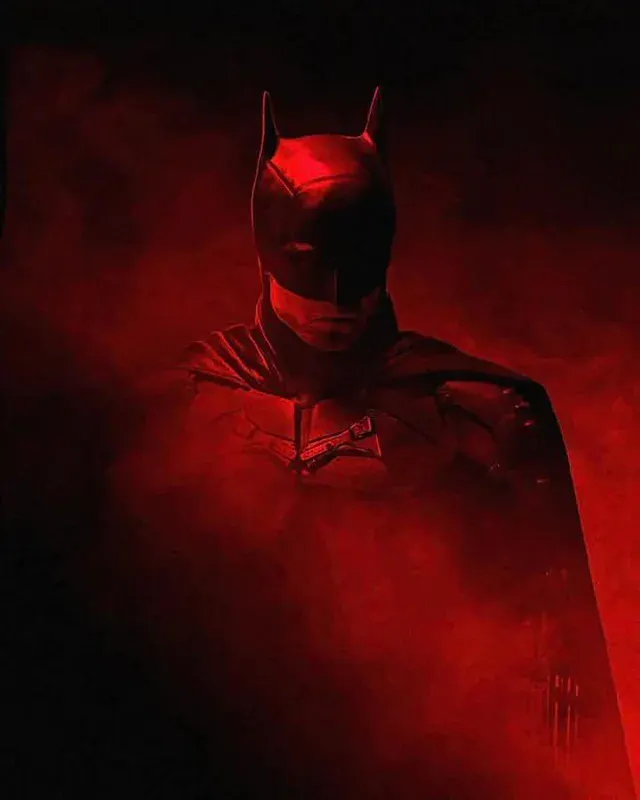
Batman, l’uomo pipistrello creato da Bob Kane nel 1939, è l’alter ego notturno del rispettabile Bruce Wayne, evidentemente omosessuale e innamorato di Robin, a cui vengono uccisi i genitori, cioè la metaforica possibilità di vivere una vita adeguata alle norme sociali. Dall’episodio traumatico, esattamente come può essere traumatica la ricerca dell’identità, emerge una figura anarchica, un vigilante che vuole restituire giustizia al mondo in una maniera spesso problematica. Il primo di una lunga serie a parlare dei tratti omosessuali della figura di Batman è lo psichiatra Fredric Wertham nel libro Seduction of the Innocent del 1954 ma le teorie si susseguono fino ai giorni nostri e in particolare nel film Batman & Robin di Joel Schumacher del 1997 con George Clooney e Chris O’Donnell, il sottotesto diventa quasi esplicito. Batman non ha nessuna intenzione di integrare la separazione tra la sua vita diurna e quella notturna perchè tenendole separate le rende più solide. Maschera e mantello di pelle nera sono quanto di più vicino si possa immaginare all’estetica gay BDSM, ovviamente se non contiamo la tuta in lattice e la frusta di Catwoman-dominatrix, in teoria sua fidanzata/amante. In teoria.
Bram Stoker comincia invece a lavorare a Dracula nel 1895, anno dell’incarcerazione di Oscar Wilde per omosessualità. I due erano molto amici e molti dei tratti del vampiro si avvicinano alla figura del dandy, un personaggio che si muoveva tranquillamente tra una vita socialmente accettabile e una pericolosissima e nascosta. Dracula, scritto durante il periodo vittoriano, in cui potevi venire incarcerato per aver detto un’unica parola sbagliata, rappresenta la liberazione degli appetiti sessuali e il vampirismo non è altro che la metafora di un atto sessuale estremo che libera chi lo riceve dalla morte e lo rende eternamente affamato di vita. Le lettere d’amore di Bram Stoker a Walt Whitman sono la testimonianza di come l’autore di Dracula fosse assolutamente consapevole di quello che scriveva e di come avesse tracciato, anche in questo caso, non la figura di un assassino pazzo e irrisolto ma di un uomo che ha imparato a vivere non rispettando gli schemi. Come spesso le narrazioni horror, Dracula è un manuale di sopravvivenza.
Una delle ragioni per cui ho sempre amato gli horror è che sono i territori letterari privilegiati per raccontare come luce e ombra non possono che coesistere e anzi amplificano il grado di conoscenza della realtà del protagonista.
Eppure, a cominciare da Freud, si è cercato di raccontare questa scissione in termini negativi, come qualcosa che debba essere risolto per raggiungere un’integrazione del sé che porterebbe alla felicità. In psicoanalisi, la scissione o frammentazione, è un meccanismo di difesa che consiste nello scindere, separare, disgiungere in modo netto le qualità contraddittorie (o ritenute tali) ma conviventi dell'Io o dell’oggetto. A partire dal distacco dal seno materno, ogni separazione è angosciante e dolorosa mentre il meccanismo di reintegrazione è sano e porta ad esperienze di crescita.
La scissione diffonde l'ansia che deriva dalla nostra incapacità di cogliere le sfumature e le complessità di una data situazione, semplificandole e schematizzandole, e rendendole così più facili da pensare. Allo stesso tempo, rafforza il nostro senso di sé come buono e virtuoso demonizzando e facendo da capro espiatorio a tutti coloro che non condividono la nostra identità e la nostra prospettiva. Una tale compartimentalizzazione degli opposti ci lascia, secondo la psicanalisi, con un quadro chiaramente distorto della realtà ed una ristretta gamma di pensieri ed emozioni. Per la scuola freudiana che ha di fatto pervaso la visione moderna di concepire il mondo, queste operazioni integrative complesse sono sempre ad alto rischio di rottura, di disintegrazione ed è questo che porta alla sofferenza emotiva. E da cosa dipende questa rottura, questa disintegrazione? Dagli eventi traumatici, da quegli eventi in cui la persona affronta una situazione di pericolo estremo nella quale il suo senso di integrità, sicurezza e identità sono messe seriamente in discussione. Un evento del genere, sempre secondo la psicoanalisi, ferma il processo di crescita mentale e impedisce la possibilità che le funzioni integrative superiori maturino.
Quindi ricapitoliamo: i tuoi genitori vengono uccisi davanti a te e tu, che sei anche gay, dividi la tua vita in due pezzi, uno visibile e uno invisibile, per riuscire a sostenerne la perdita, oppure succhi il sangue alle persone perchè sei un mostro assetato che a sua volta sta cercando di superare il trauma di essere stato morso.
Nei week end rincasavo spesso alle 4, 5 o 6 della mattina. Le mie serate finivano quasi sempre tra le braccia, le gambe, le schiene e i volti di sconosciuti, tra pantaloni che si abbassavano, capezzoli che venivano addentati, saliva che colava veloce sull’addome, penetrazioni tenere o violente, abbracci teneri o violenti, tenerezza o violenza. Poi, a letto, la finestra si chiudeva e mentre il mio corpo si riposava, la mia mente si preparava ad affrontare un altro lungo giorno lavorativo a volte pieno di soddisfazioni ma più spesso di frustrazione e di noia. Non ho mai cercato di creare un’unica immagine da quei due pezzi così distanti. Mi erano entrambi necessari per sopravvivere.
SEX, MEAT, TRUTH
This is an article published in Dust Magazine
I do not remember exactly what year it was. I must have been around twenty five. It was the middle of a summer night and I found myself pressed against a wall with a gun in my mouth. The lights from the nearby railway lit the scene like daylight and I could clearly see the black profile of the semi automatic pressed against my lips but instead of feeling the cold of the metal and being afraid I tasted the warmth of the breath of the man who sweetly whispered to me to stay calm while he kissed my cheek. His arm held my shoulders the way a lover would and in fact I felt safe. Only later did I understand that the gun was not for me but for someone hiding in the dark, a warning to stay away and leave us in peace. Then the man put the gun back in his pocket and looking at me with eyes full of desire he kissed me deeply this time and went back to doing what we had come there to do: a strange uncomfortable form of fast standing sex.
That place was called The Pit. It is a dip in the ground before the railway wall right in front of the Triennale in Milan. In the dip there is a path that passes under the bridge that connects Viale Alemagna to Via Mario Pagano. Under the bridge there was a rectangular concrete block almost as long as the entire span of the bridge. I have no idea how it ended up there. During the day it must have looked to passersby like a piece of rubble expelled by the neglect of the Nineties but at night it became a crowded stage. You climbed up in almost total darkness, took your dick out and someone you could not even see from below sucked it. Or you went up from below and chose the member you liked the most, the one you instinctively felt the most affinity with and you sucked it for as long as you wanted then moved on to another and another almost never reaching any kind of joyful finish.
It was all so practical and exciting at the same time, so well built and efficient that it made you think that behind it there was the design of someone who spent time thinking about how to make gay sex easier, how to make it a painless mechanism exactly like going to get gas.
In those fleeting night encounters I was never afraid even when I was robbed, when a group of soccer fans tried to beat me up or the various times I was stopped by the police. That was my land, the place where I was more powerful than the world that slept behind closed windows, the place where I felt completely free. Actually where I learned to be free.
For a long time after arriving in Milan I experimented with different forms of sex in different places with different partners. They were almost always night encounters, casual, that took place in the gardens of Leone XIII in the Pagano area right in front of a large barracks, or on the Bastioni di Porta Venezia at the time not lit, or in front of the Triennale, in front of the Cimitero Maggiore but also in public bathrooms, saunas, parking lots, cruising bars and parks. There was a night geography that transformed places that during the day were filled with cheerful school groups, mothers pushing strollers and strong policemen into exchange zones, fields of exploration for those like me who were young and felt free to do whatever they wanted but also places where people solved lacerating conflicts for those who were not free at all and had a respectable family waiting at home, who still slept in their childhood bedroom or maybe in a double bed with a wife.
For the lazier ones there was a place called Cruising Canyon not far from Piazzale Loreto that was a reconstruction of the most famous cruising spots in Milan, including of course The Pit but there were also two huge truck cabins that reproduced highway rest stop encounters for example. Once inside you just had to choose the type of situation and atmosphere you preferred without the hassle of driving around the city. It was the optimization of efficiency and included among other things the ultimate concrete realization in terms of gay sex: a series of glory holes. For anyone who does not know what I am talking about the term was used for the first time in England in 1825 to indicate a space like a drawer where things were thrown in at random. From there it came to indicate dirty shady places like prisons or and here we are almost there public bathrooms. Specifically it came to describe holes made in bathroom stall walls used for oral sex with strangers without anyone noticing. The funny thing is that the first glory hole ever recorded in an arrest report for sodomy is from London in 1707.
Sex between men had the specificity of being organized so that the mechanicism avoided any emotional projection, erased any possible trace of affection in a time when if you kissed your boyfriend on the tram you risked the old lady sitting nearby fainting. It happened to me. She recovered immediately for the record and insulted us. For this reason everything happened at night in the dark in an atmosphere of apparent danger that only served to tighten the timing and make even the most romantic moments brisk, the ones where the full moon lit the face of the stranger in front of you and suddenly he seemed beautiful and you thought that maybe you wanted to see him again. But seeing someone again met in a park broke every survival rule and in fact it almost never happened and when it did it was a disaster.
Efficiency served to separate daytime life from nighttime life because it was impossible for the two things to coexist. I remember having a brief relationship only once with someone I met in a sex club that turned out to be a disaster: he had just graduated in psychology but that did not help him live his homosexuality peacefully and so he clung to me during the day while I had no great issues with it. Yet in daylight problems shine hard and solid while at night it is so beautiful to see them disappear and melt away into an unknown shadow. So we dated, loved and hated each other in sequence and had very little sex, almost none.
Sometimes I walk past some of those places now cleaned and stripped of secret negotiations. Now even late at night they are empty, well lit, reassuring. The possibility of meeting someone for sex has moved online inside the apparent safety of a phone leaving behind the dark corners, the cold nights, the sense of danger and also the sense of rejection.
This transformation is considered progress. Splitting life into two parts that repel each other like magnets with the same charge is a sign of division, fragmentation, anxiety and disintegration from Freud onward, who by the way claimed that homosexuality is a perversion. But that same mechanism is also probably one of the healthiest strategies for survival and there are many literary examples.
Batman, the bat man created by Bob Kane in 1939, is the nighttime alter ego of respectable Bruce Wayne, clearly homosexual and in love with Robin, whose parents are killed, meaning the metaphorical possibility of living a socially acceptable life. From the traumatic event just like the trauma of identity search emerges an anarchic figure, a vigilante who wants to return justice to the world in a problematic way. The first person to point out the homosexual traits of Batman was psychiatrist Fredric Wertham in Seduction of the Innocent in 1954 and theories continued until today especially in the film Batman and Robin by Joel Schumacher from 1997 with George Clooney and Chris O'Donnell where the subtext becomes almost explicit. Batman has no intention of integrating his daytime and nighttime life because by keeping them separate he makes them stronger. Mask and black leather cape are very close to gay BDSM aesthetics, obviously not counting Catwoman dominatrix with latex suit and whip, in theory his girlfriend or lover. In theory.
Bram Stoker began working on Dracula in 1895 the year Oscar Wilde was imprisoned for homosexuality. The two were very close and many vampire traits resemble a dandy, someone who moved freely between a socially acceptable life and a dangerous hidden one. Dracula written during the Victorian age when you could be imprisoned for saying a single wrong word represents the liberation of sexual appetite and vampirism is a metaphor for an extreme sexual act that frees the one who receives it from death and makes him eternally hungry for life. Stoker's love letters to Walt Whitman show that the author of Dracula knew exactly what he was writing and deliberately created not a crazy murderer but a man who learned to live outside the rules. As often happens in horror, Dracula is a survival manual.
One of the reasons I have always loved horror is that it is a privileged literary territory to tell how light and shadow cannot exist without each other and actually amplify the protagonist's understanding of reality.
Yet starting with Freud this division has been described negatively as something that must be resolved to reach self integration and happiness. In psychoanalysis division or fragmentation is a defense mechanism that separates qualities that are contradictory or perceived as such but coexist within the self or the object. From the separation from the maternal breast every break is painful while reintegration is healthy and brings growth.
Division spreads anxiety from our inability to grasp nuance and complexity simplifying and schematizing them and making them easier to think about. At the same time it strengthens our sense of self as good and virtuous by demonizing and projecting faults on those who do not share our identity and perspective. Such compartmentalization leaves us with a distorted view of reality and a narrow range of thoughts and emotions. For the Freudian school which shaped modern thinking these complex integrative operations are always at high risk of collapse and this leads to emotional suffering. And what causes this collapse, this disintegration? Traumatic events, in which a person faces extreme danger and their sense of integrity, safety and identity are seriously questioned. Such an event according to psychoanalysis stops mental growth and prevents higher integrative functions from maturing.
So to sum up: your parents are killed in front of you and you who are also gay divide your life into two parts one visible and one invisible to survive the loss or you suck blood because you are a starving monster also trying to survive trauma.
On weekends I often came home at four, five or six in the morning. My nights almost always ended in the arms, legs, backs and faces of strangers, with pants being pulled down, nipples bitten, saliva running down an abdomen, tender or violent penetration, tender or violent embrace, tenderness or violence. Then in bed the window closed and while my body rested my mind prepared to face another long workday sometimes full of satisfaction but more often full of frustration and boredom. I never tried to create a single image out of those two distant parts. I needed both to survive.
Date
October 30, 2025
Topic
LONGFORM
0 comments
Would you like to be the first to write a comment?
Become a member of LA MODA È UNA COSA SERIA and start the conversation.