Travel between the UK and the EU is changing again. New Europeans is campaigning to rebuild youth mobility, strengthen people-to-people ties across Europe and make UK-EU travel easier for everyone.
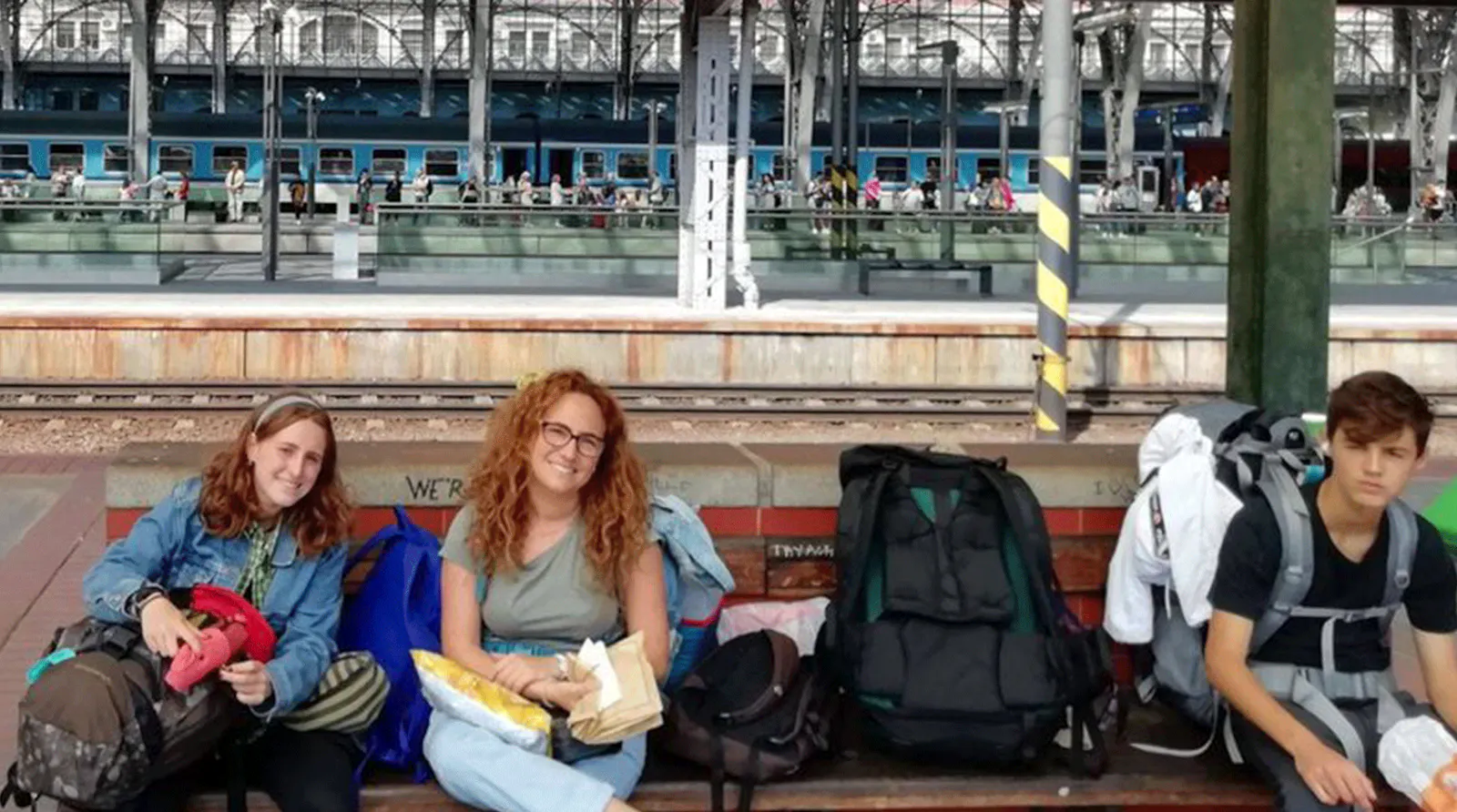
Travelling between the UK and the EU is becoming more complicated — and it doesn’t have to be this way.
Freedom of movement may be gone, but millions of people still live, work, study and maintain close ties across Europe. Making those connections easier, not harder, should be a priority.
The UK is now set to rejoin the Erasmus+ programme from 2027 — a welcome step that will reopen opportunities for educational exchange. But Erasmus alone will not rebuild the wider ecosystem of mobility that once existed between the UK and the EU.
The changes don’t just relate to students or young travellers. Families, dual nationals, researchers, business travellers and people with friends or relatives across Europe are all discovering that travelling between the UK and the EU is becoming more complicated than it needs to be.
New border systems are being introduced on both sides of the Channel.
The UK has introduced an Electronic Travel Authorisation (ETA) system for visa-free travellers entering the UK.
The EU is introducing two new systems: the Entry/Exit System (EES), which digitally records when non-EU travellers enter and leave the Schengen area, and ETIAS, an online travel authorisation that visa-free travellers will need before travelling to the EU.
EES began rolling out in October 2025 and ETIAS is expected to follow later in 2026.
One Danish EU citizen living in the UK recently described difficulties travelling back to Britain because airline check-in systems did not easily accommodate dual nationality.
Having booked a return ticket using a Danish passport, it proved impossible to switch to a British passport for the return leg because the airline’s system expected an Electronic Travel Authorisation.
Stories like this show how even relatively small administrative changes can create unexpected obstacles for people whose lives span both sides of the Channel.
As Roger Casale, founder of New Europeans said in a recent op-ed in EU Global ( ETIAS and the Future of Youth Mobility Between the UK and EU (Opens in a new window), 14 March 2026)
“For British travellers, ETIAS is a reminder that we are now visitors to a European space that many of us once moved through freely. For young people in particular, it reinforces the sense that something important has been lost.”
It is against this backdrop that discussions about a UK–EU Youth Experience Scheme really matter.
New travel systems such as ETA, EES and ETIAS are reshaping how mobility works, but a youth mobility scheme could still create real opportunities for young people to live, work, study or volunteer across the UK and EU.
In a more complicated travel landscape, it would help rebuild some of the connections that Brexit disrupted.
As mobility between the UK and Europe becomes more difficult, rebuilding practical opportunities for people to connect across borders matters more than ever.
New Europeans is campaigning to ensure youth mobility remains part of the future UK–EU relationship.
If you believe connections between the UK and Europe still matter, please consider joining Friends of New Europeans UK here on Steady. Your support helps us continue this work.
About New Europeans
New Europeans was set up in 2013 to campaign for the rights of Eu citizens and Britons abroad.
Our charitable arm, New Europeans UK (Opens in a new window) supports vulnerable EU citizens across the UK in securing their rights under the UK-EU Withdrawal Agreement.
Friends of New Europeans UK (Opens in a new window)supports this charitable work and campaigns for practical reforms to the EU-UK relationship which serve the citizen such as the EU-UK Youth Mobility Scheme, and that reflect the values that underpin our shared European identity.
Date
March 14, 2026
Topic
APPG on Citizens' Rights
0 comments
Would you like to be the first to write a comment?
Become a member of Friends of New Europeans UK and start the conversation.


