This photo reportage is genuine, created in a real Homo sapiens brain, and produced without any AI rubbish. So please excuse the photo quality; the equipment I had access to on this space flight wasn't the best. If you like our expedition, you can download my manual for aliens here! (Öffnet in neuem Fenster)
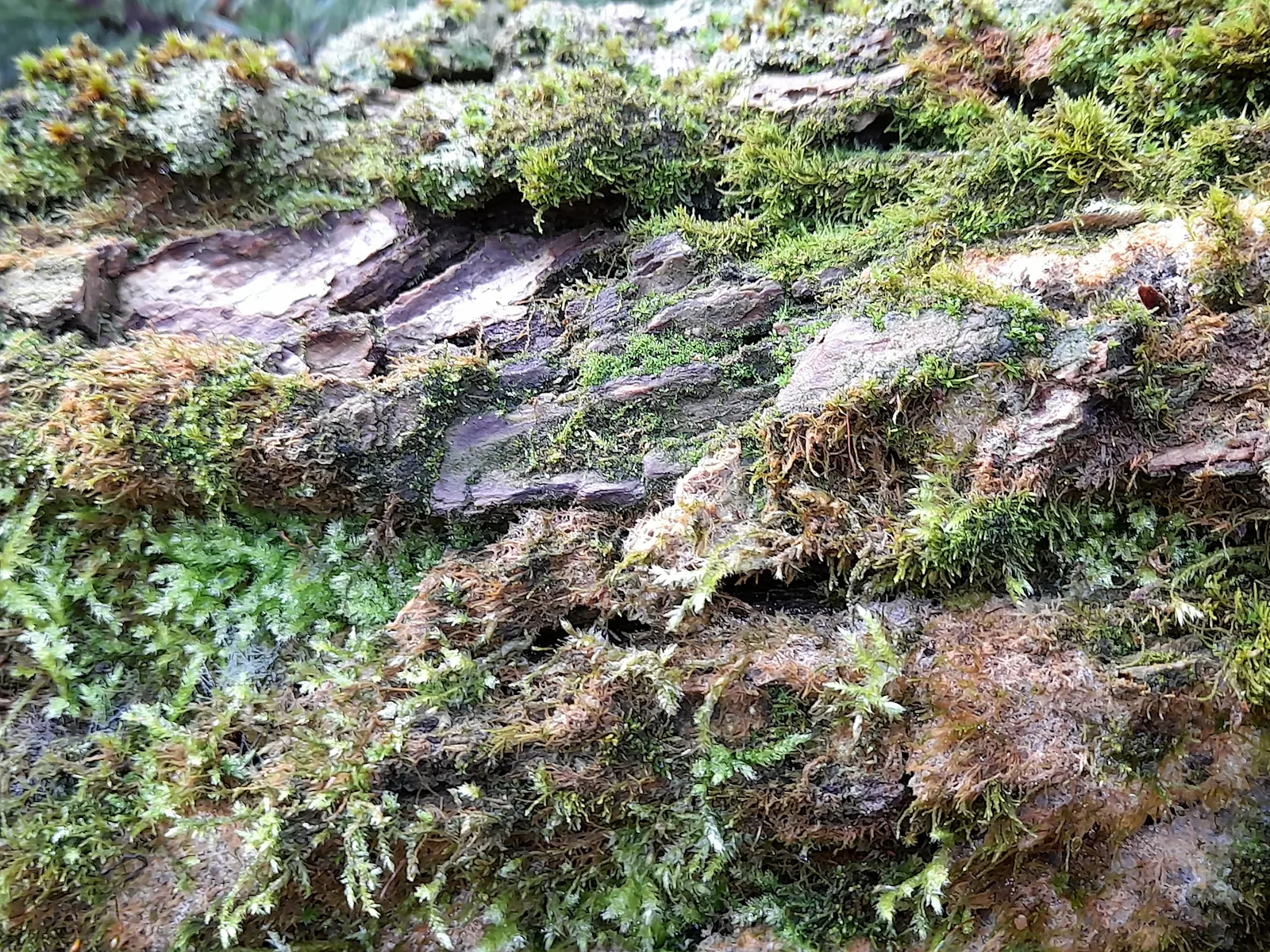
Who would turn down such an opportunity: an expedition to a distant planet where strong evidence of life had been found: the planet Elder 0815, part of the famous Mosslich-system. I knew that this would not be a hike to the highest mountain in the Vosges, but a strenuous exploration in unknown terrain. I only accepted the offer because a probe sent ahead had identified ideal conditions: an extremely humid climate with slightly elevated oxygen levels, manageable for us humans without space suits. If only I had been warned how much climbing we would have to do while taking samples of a unique ecosystem!
The Landing
As we approached, Planet Elder 0815 differed from Earth in its colour: it shimmered emerald green and did not appear to have any clearly defined bodies of water. Even as our landing module touched down, we could not tell whether the ground was rocky. The planet's sun was further away, and large areas lay in permanent darkness. And I tell you: if you could imagine moisture – it was even more humid than that. Although we landed on solid ground, our space boots squeaked with wetness.
What we had identified as rock seemed to somehow retain this moisture. We didn't bounce like the first humans on the moon, but the ground gave way strangely under our feet. It was like being a giant dinosaur stomping on a thick cork mat. And of course we have also these first words. These famous words, the first human on an outer planet squeaked into her radio: “That’s one small step for a woman; one giant leap for humankind!” (Ground control on Earth immediately recognised the progress we had made since 1969. Perhaps because we had started in Europe.)
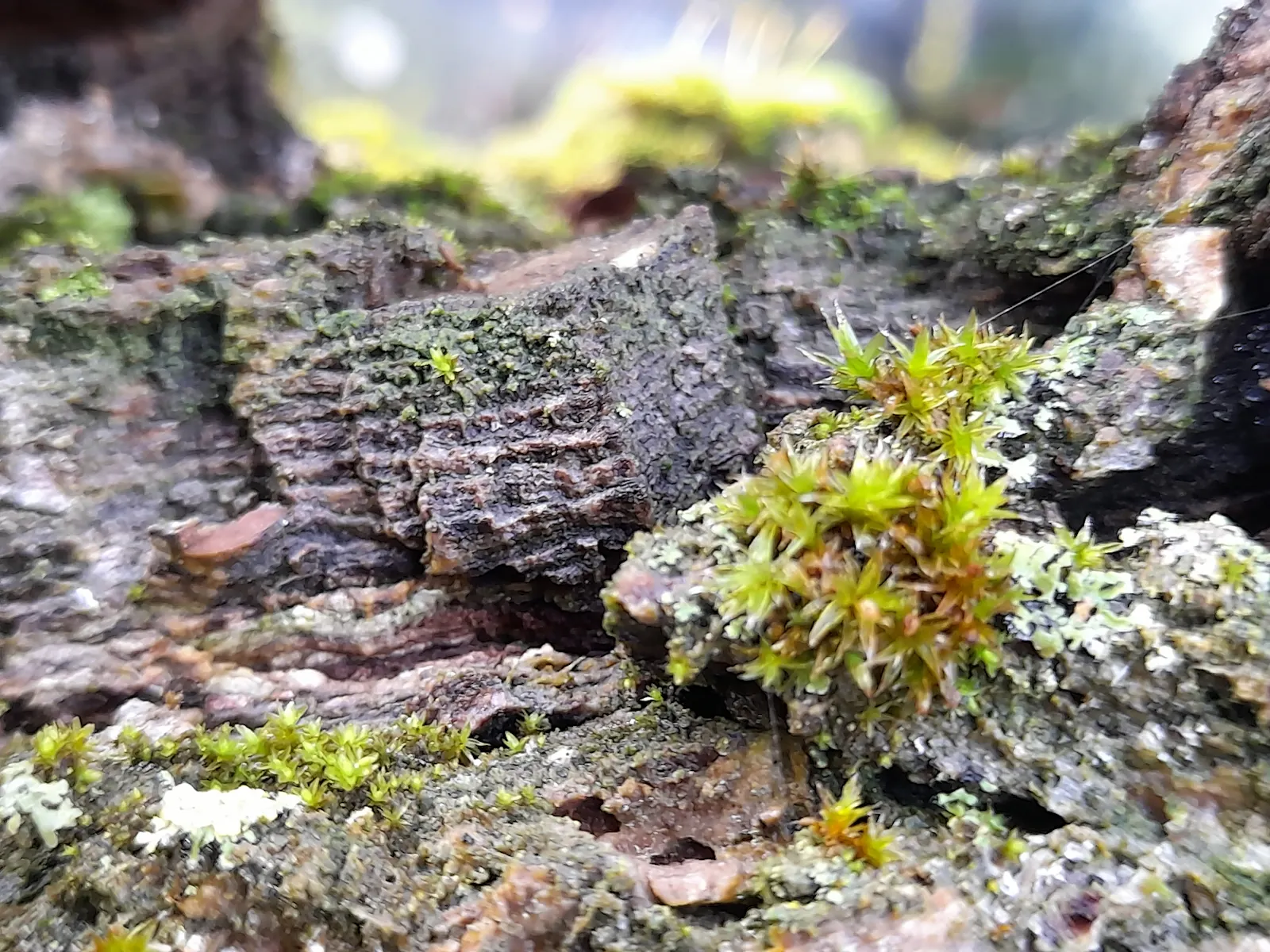
Our initial orientation made particularly our geologist happy: although the rocky ground of Elder 0815 felt strangely soft, almost bouncy, he immediately drew a parallel with sedimentary rocks on Earth. What if similar processes had taken place here? Would we be able to find evidence of fossilised extraterrestrial life in the layers?
There was no question that the planet was home to life: huge, lush green plants that seemed strangely familiar to us were rooted in the crevices. They were somewhat reminiscent of aloe.
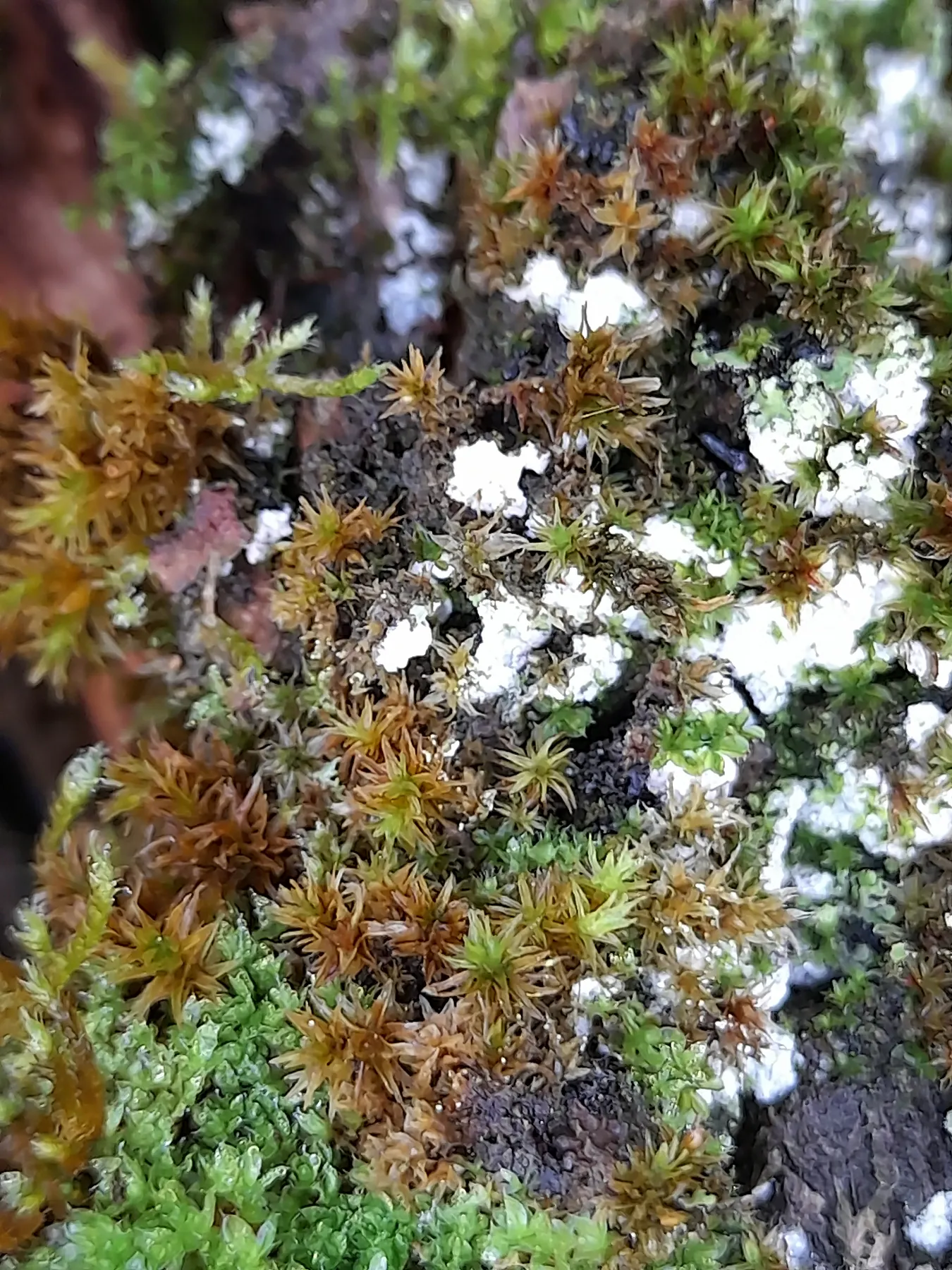
We would have to examine them more closely. But there was another mystery: were these whitish deposits something like snow? It was much too warm for frozen water!
The Expedition
We prepared for a hike. What followed can be understood by anyone who has ever been on a long hike at the bottom of the Grand Canyon: exhausting and magnificent at the same time. We chose an outer canyon, even at the risk of the rock dropping steeply on one side. But it would have been much more dangerous to have to abseil down into an inner canyon. In the worst-case scenario, we told ourselves, we would have more escape options. Because what we found on one of the paths made us shudder: according to our biologist, it was the still-fresh remains of an unimaginably large avian dinosaur!
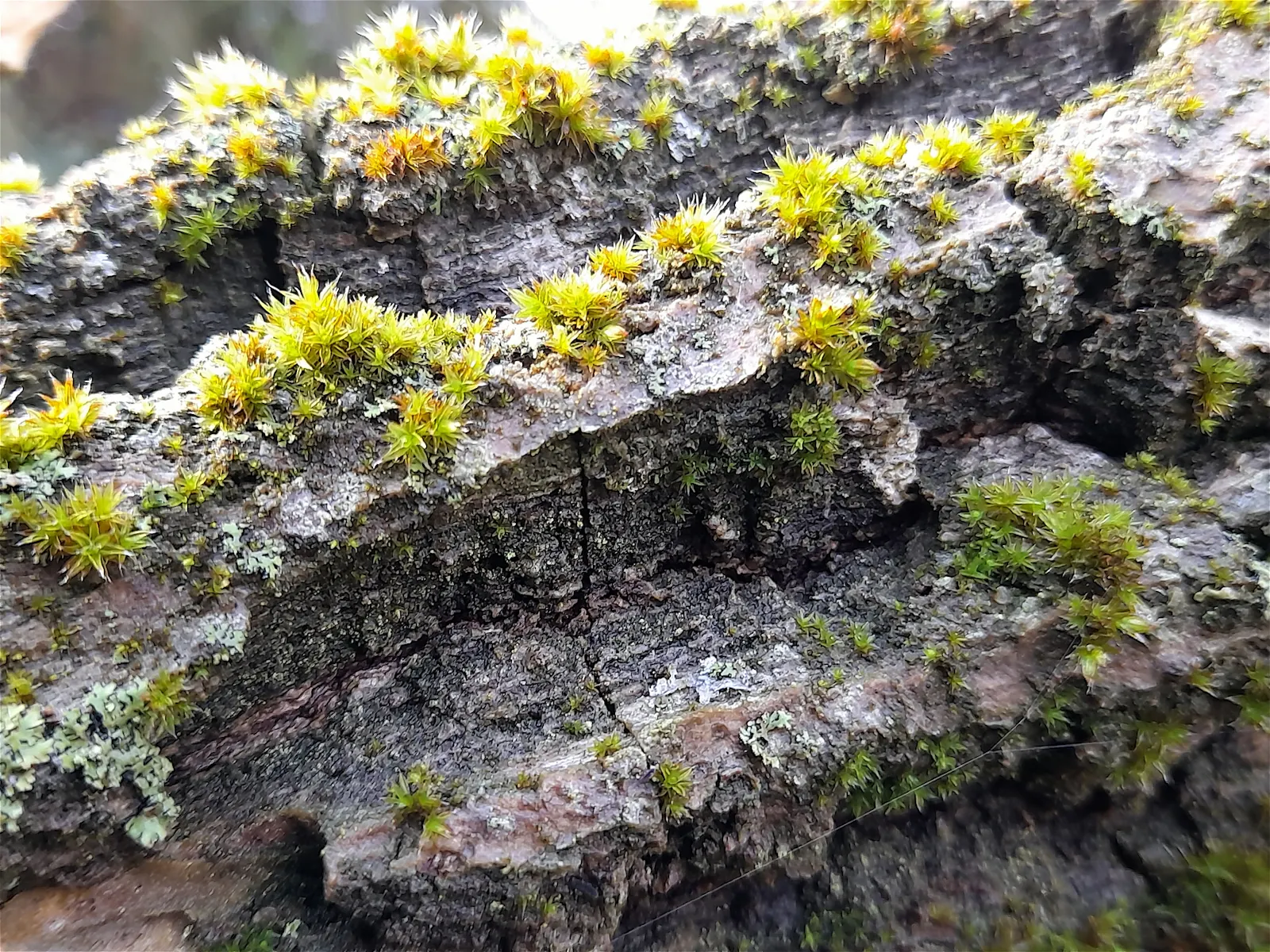
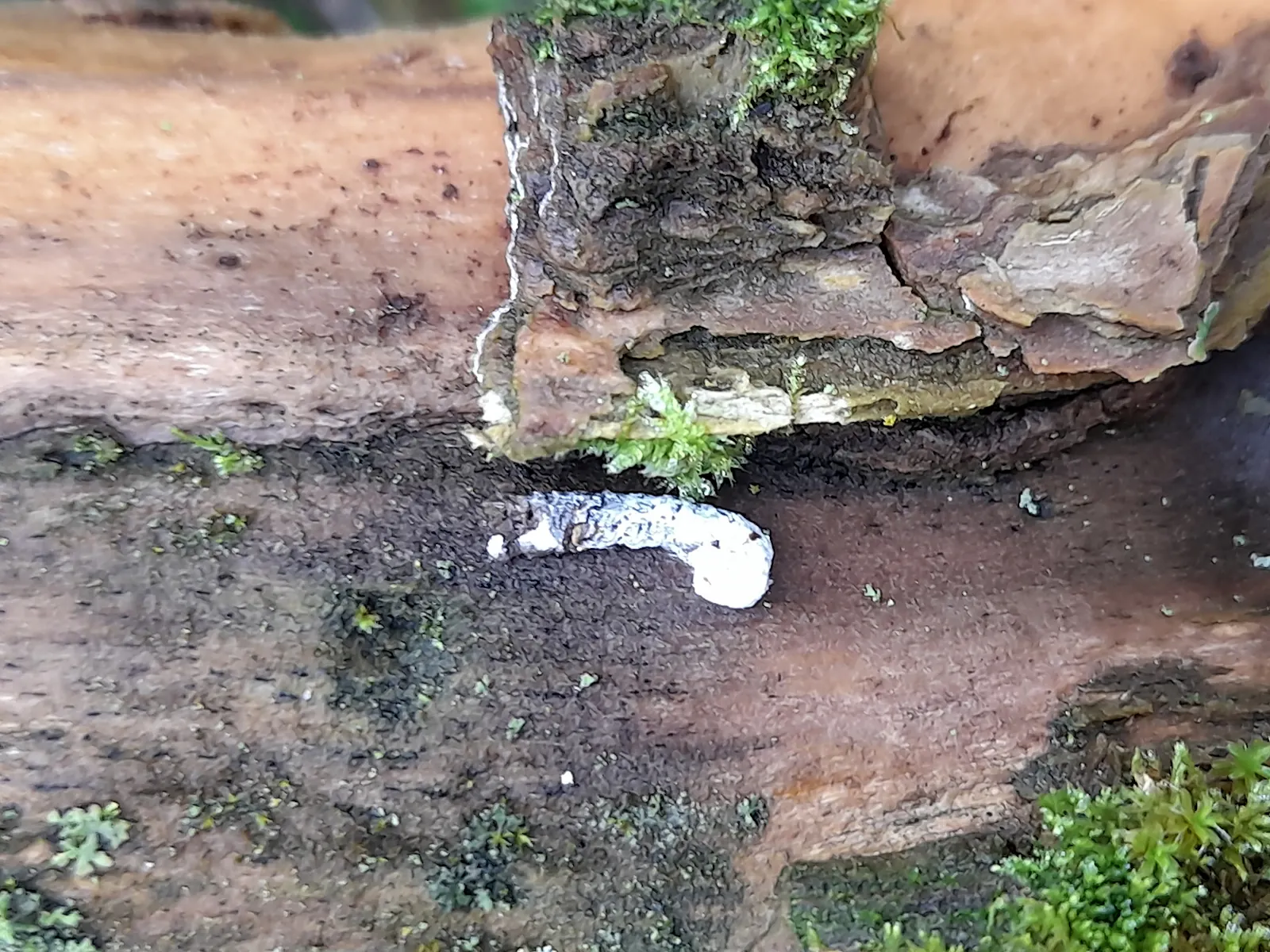
Imagine that the poo of a bird was three times longer than a human: how big the bird must be! We didn’t want to test meeting such a creature! We panicked and ran - and found protection in a place that looked like Stone Age shelters on Earth. You know, those half-open caves where you're reasonably protected.
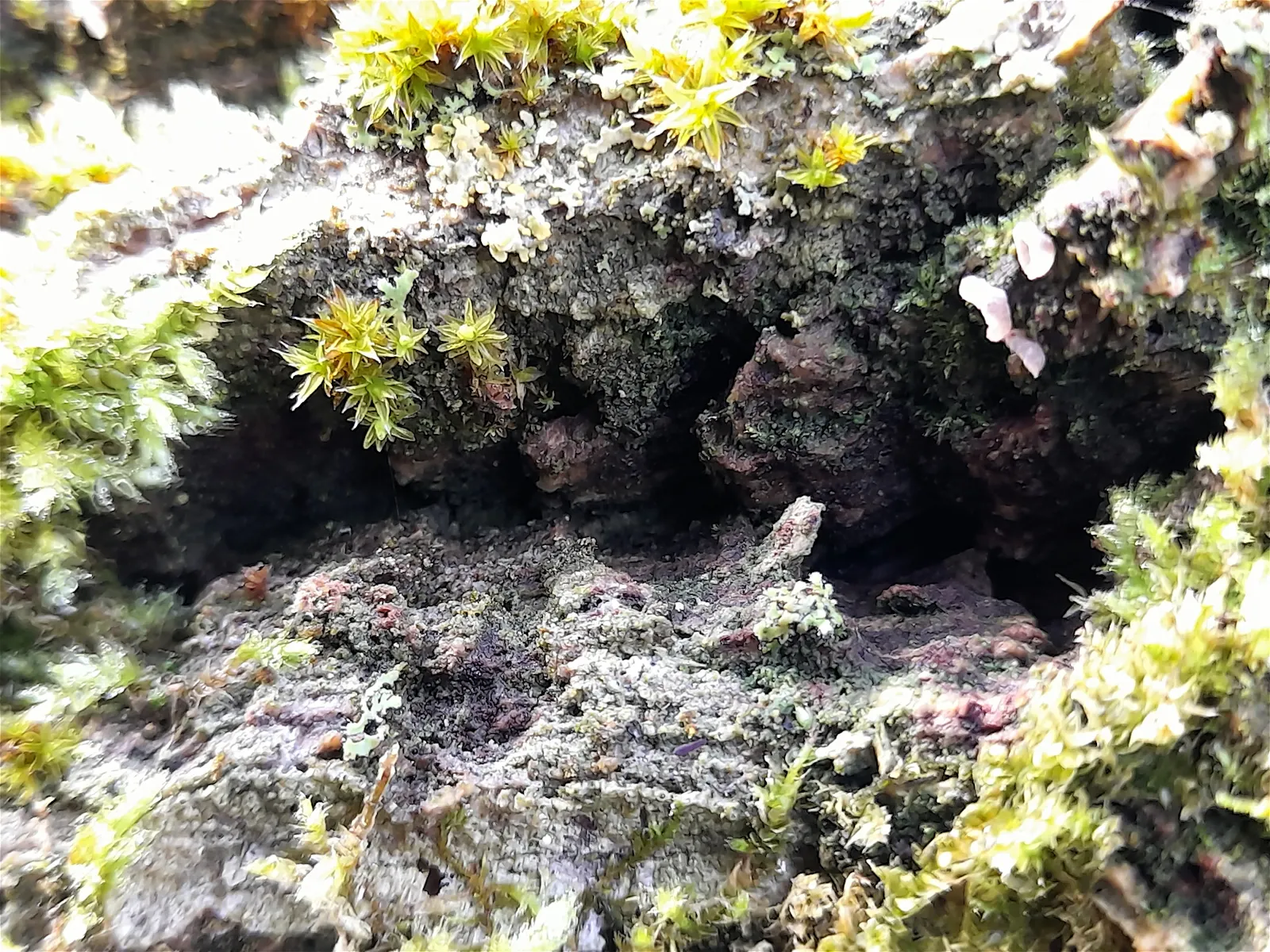
After a short break with that eternally boring astronaut food, we had to climb to the top of a mountain to take our measurements. I'll spare you the details of the arduous climb in full expedition gear and show you the highlights that we radioed back to the ground station. Even though the extremely narrow mountain ridges were densely covered with jungle-like greenery, this was only for people with a head for heights.
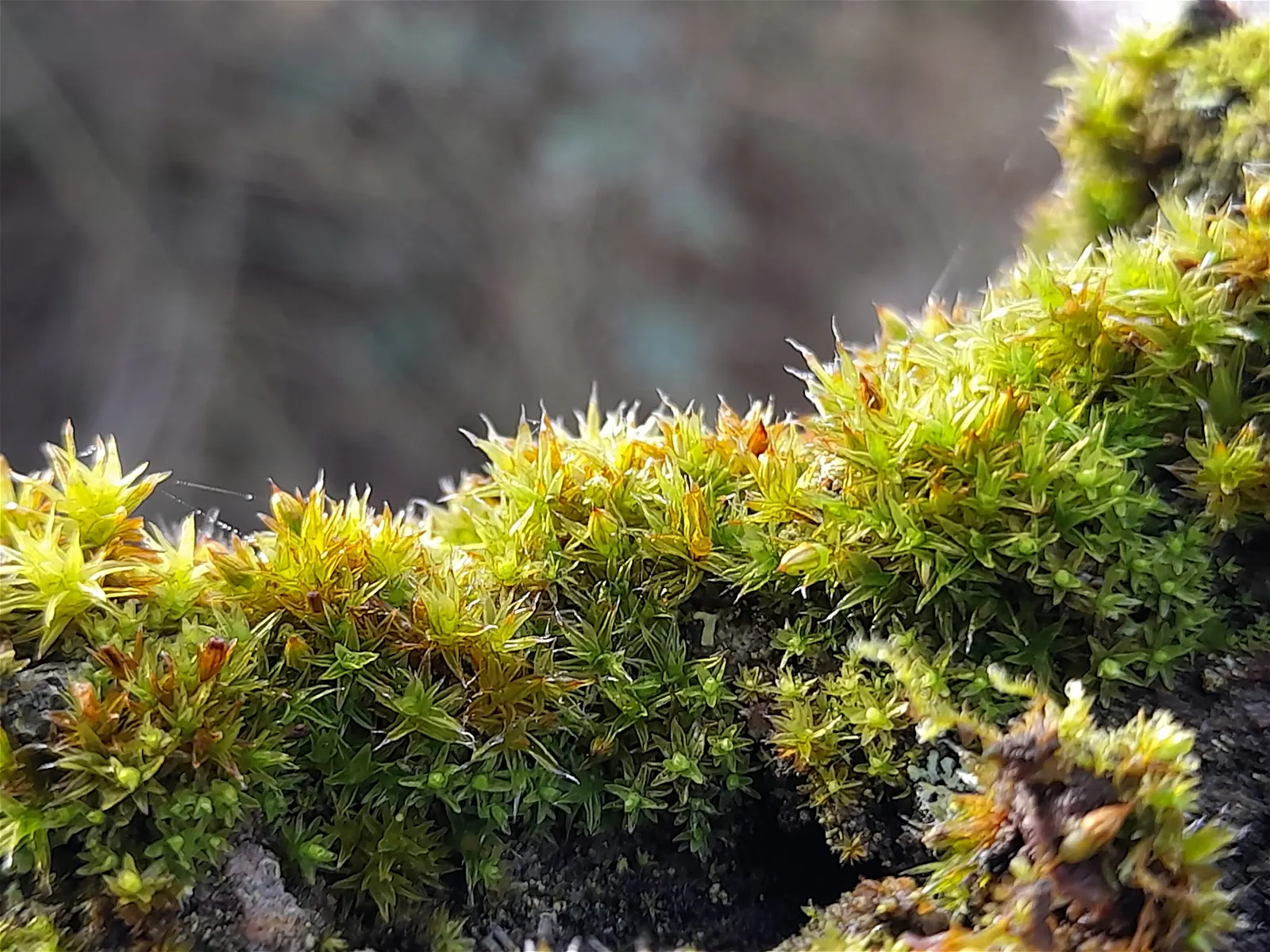
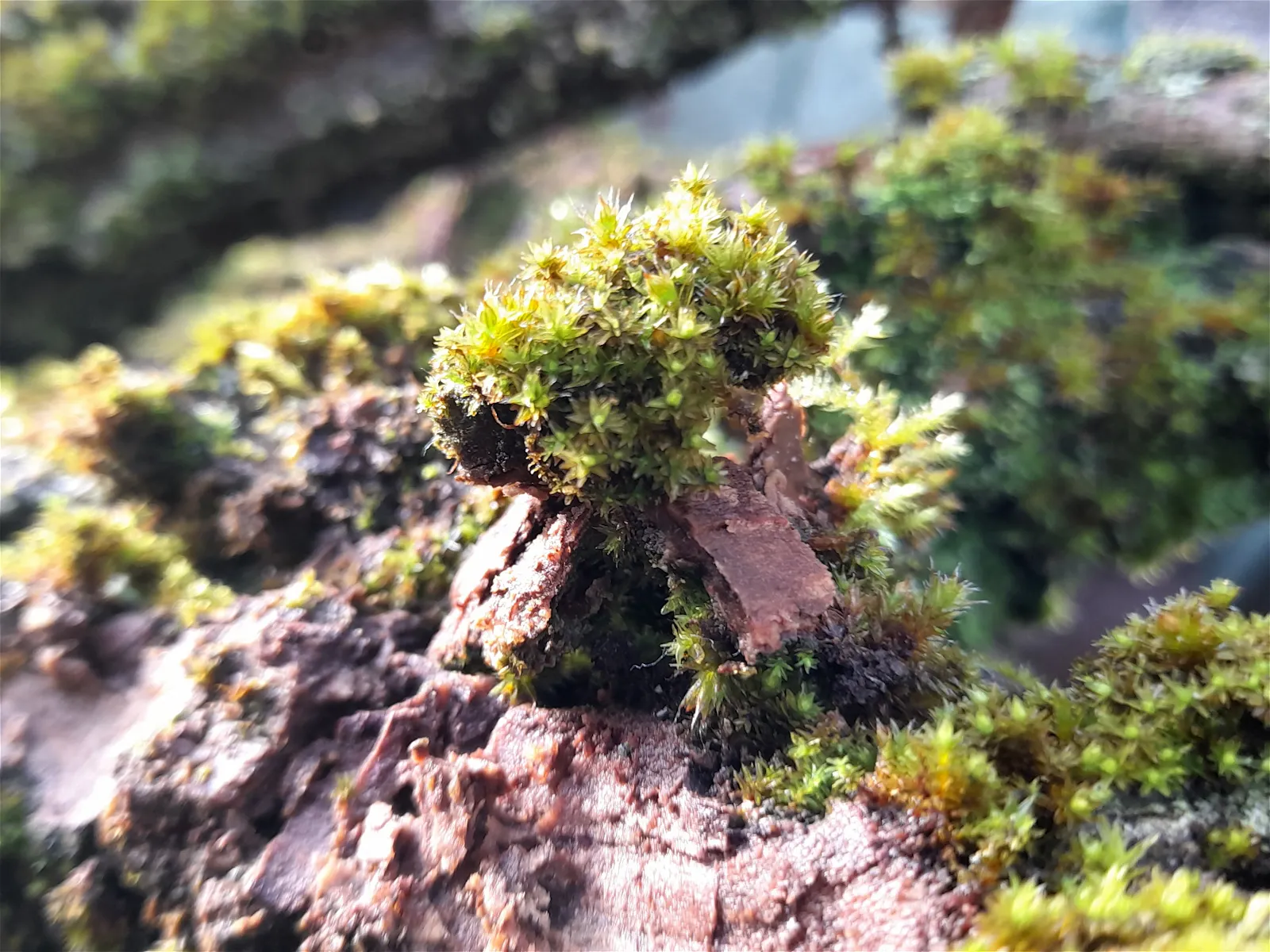
We may have found further evidence of intelligent life in several places. First, there was a shelter that resembled a hut, which had been artificially constructed from slabs of rock. Here we discovered that the rocks were incredibly light; even we could have built this hut only by hand. We are excited to find out what material will be found in the sample analyses back on Earth.
And repeatedly, all the way to the summit, we came across material that looked like artificially manufactured, transparent ropes. It was stretched to the top in a similar way to our earthly cable cars. It felt incredibly flexible and durable at the same time, reminiscent of silk. However, we were unable to discover any living creatures responsible for it during our entire stay. The winged dinosaur did not appear either.
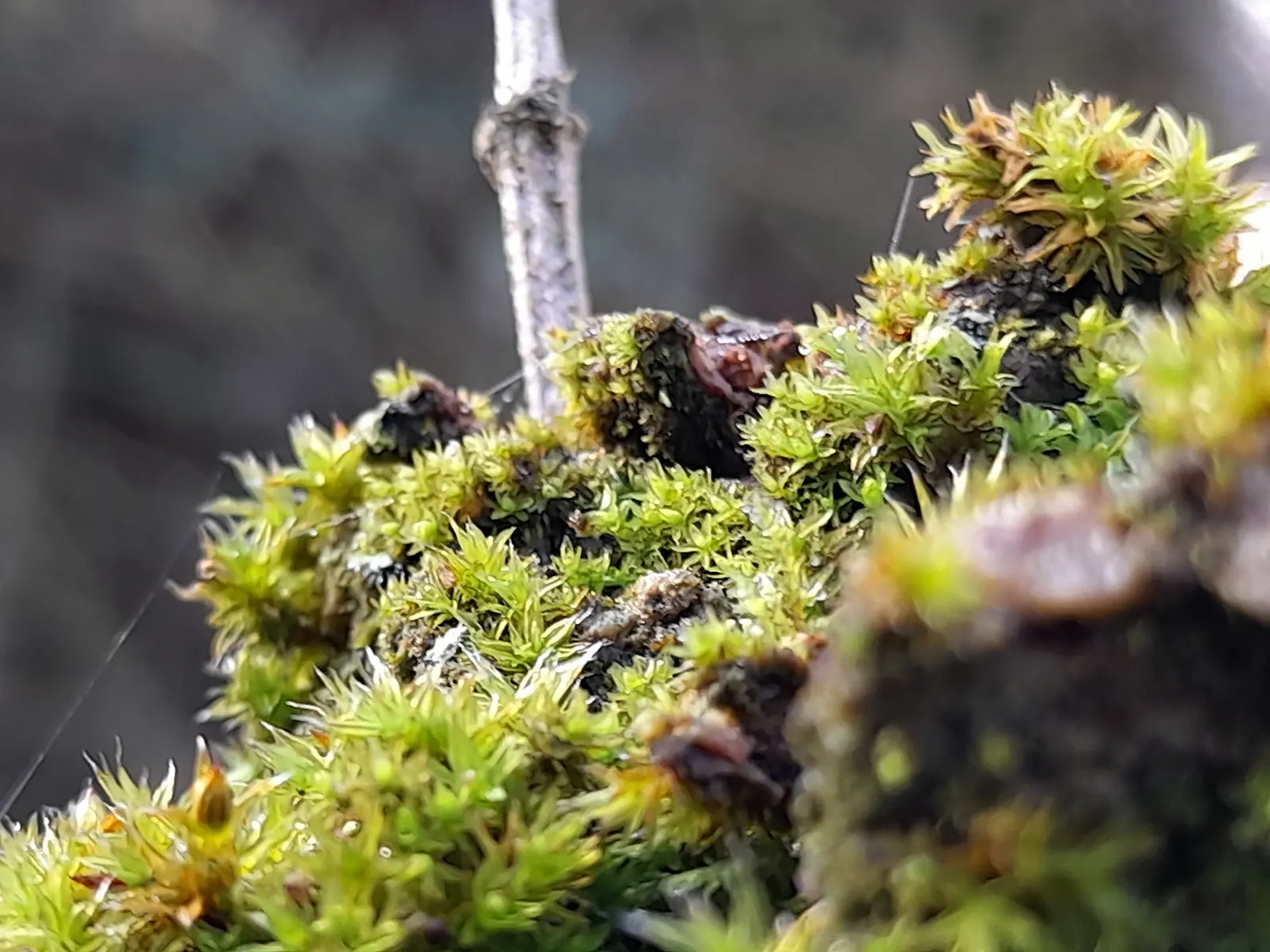
Extinct species? The ropes and remains appeared too fresh for that. Our ecologist noted several theories: nocturnal activity, something had warned the planet's inhabitants about us, or our eyes and equipment were not properly adapted.
A New Flight Planned
But no problem - we’ll send another expedition to Elder 0815 searching for life forms beside these plants. And I have tips for you if you want to join the next selection process for astronauts. It will be hard because the Mosslich planet system is quite far away. But you can already train to get a place:
Get yourself a good magnifying glass or a camera with zoom.
Read the guide how to caress moss and think like an astronaut. (Öffnet in neuem Fenster)
Go for a hike on planet Earth with both.
If you meet moss, lichen, and elder tree bark, say hello from me.
If you like my work, you can donate (Öffnet in neuem Fenster) something or become a member:
And it also works without any money: my newsletter will always be free of charge. By subscribing you’ll never miss a post - it comes directly as an email to you:
Datum
13.12.2025
Kategorie
Reconnect With Nature
0 Kommentare
Möchtest du den ersten Kommentar schreiben?
Werde Mitglied von Nature Match Cuts und starte die Unterhaltung.


