This week, we share our tips on how to vet too-good-to-be-true opportunities.
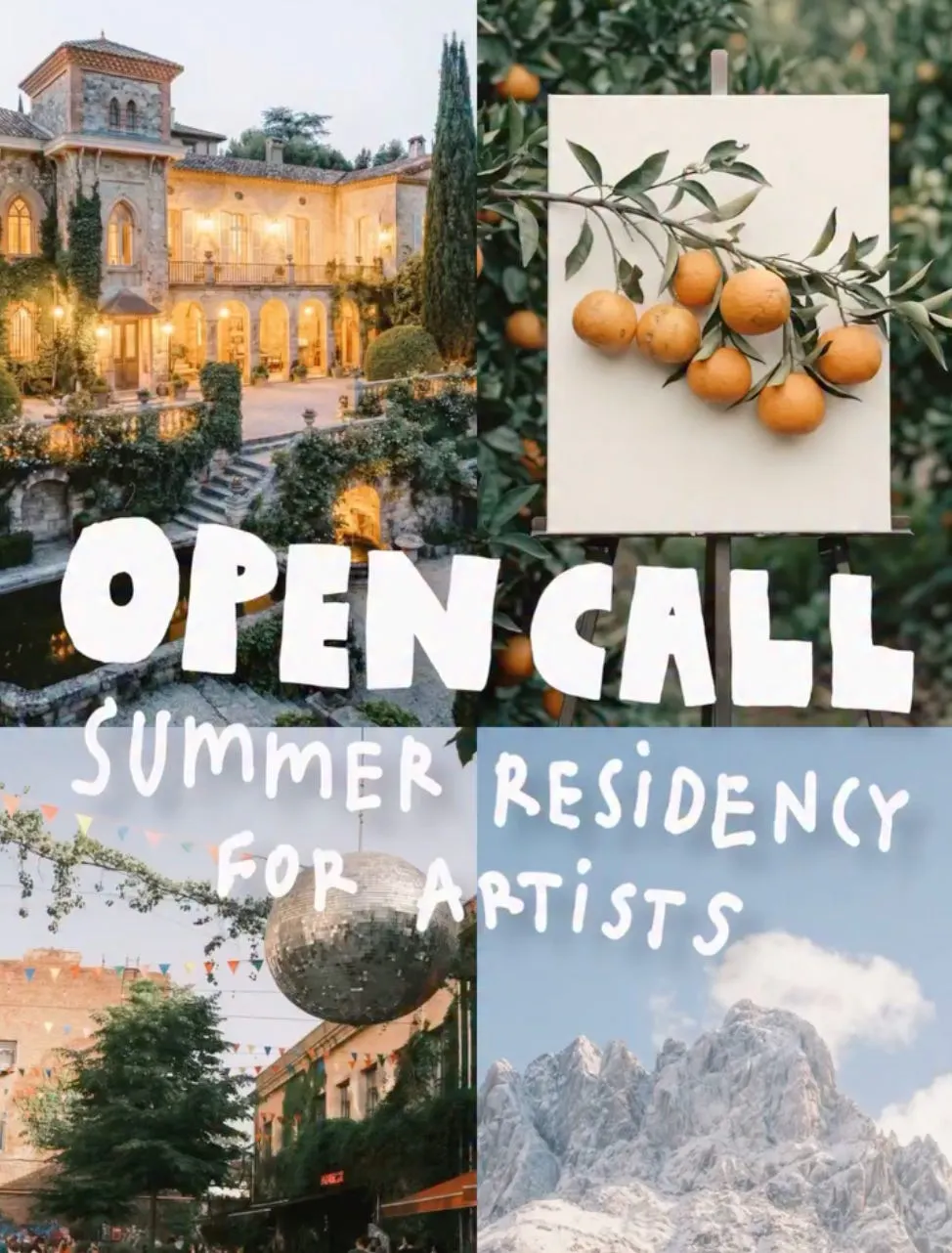
Last week, artists across social media began sharing emails that appeared to offer them places on Abstract Magazine (S'ouvre dans une nouvelle fenêtre)‘s Summer Residency programme (S'ouvre dans une nouvelle fenêtre). The magazine spotlights emerging artists and boasts an impressive 1.1 million followers on Instagram, and it launched its inaugural residency last summer, with its Summer Residency account (S'ouvre dans une nouvelle fenêtre) already amassing 233,000 followers. The residency itself sounded like a dream opportunity: two weeks in Georgia with accommodation, travel and meals covered, plus the chance to connect with other artists and develop their practice.
There was just one problem: the same acceptance email seemed to have been sent to hundreds of artists. Initially, many recipients believed they had been personally selected or accepted onto the programme. Some hadn’t applied for this year’s residency at all, while others said they had never applied to the scheme. As artists compared notes online, their confusion quickly turned into frustration.
A Reddit post titled “Summer Residency scam (S'ouvre dans une nouvelle fenêtre)”, and another titled “A year later: Abstract mag summer residency scam (S'ouvre dans une nouvelle fenêtre)” quickly began circling online, leading to endless questions wondering if the email was sent in error, or if applicants had genuinely been shortlisted. Some suggested it was an attempt to encourage more submissions (and, of course, more application fees) before the deadline closed.
The situation continued as applicants struggled to get answers. Some reported receiving no response when they asked for clarification, while others claimed emails bounced back entirely. When the magazine eventually addressed the controversy (S'ouvre dans une nouvelle fenêtre), it said the email was intended to notify artists that they had progressed to a further stage of consideration, rather than being formally accepted onto the residency itself. But by that point, many artists felt the damage had already been done.
The backlash wasn’t only about one email. It inspired many to speak out about wider concerns in the creative industries, as opportunities are often highly competitive, expensive to access and difficult to verify. For many emerging artists, residencies, exhibitions and open calls can feel like vital stepping stones towards building a sustainable career – we share these regularly on our Opps Board because we understand the important opportunities they can bring. Receiving what appeared to be an acceptance email can carry significant emotional weight, particularly when application fees are involved.
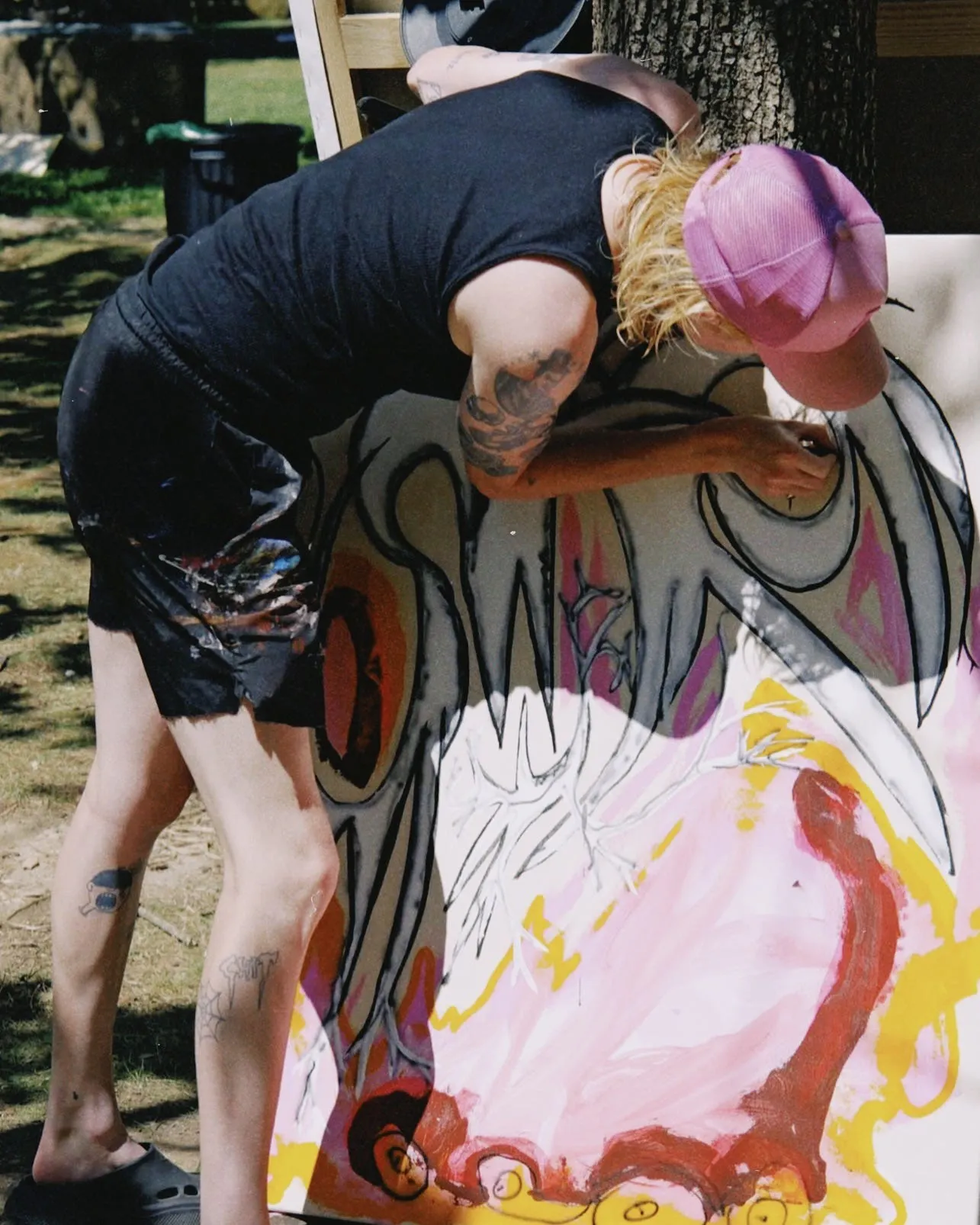
Artnet’s excellent investigation (S'ouvre dans une nouvelle fenêtre) into the residency stated that while last year’s event in France did happen, participants reported major discrepancies. Instead of the promised 50 participants, only 18 attended. Artists also claimed they had to negotiate for basic art supplies and that no galleries or representation were actually involved, despite promises in promotional materials.
But beyond the scandal around this particular residency, the controversy has also reignited conversations about “pay-to-play” creative opportunities. Artists are increasingly questioning how application fees are used, how selection processes are communicated, and what organisers owe applicants in terms of transparency.
That’s why today, we’re sharing some red flags – and green ones too – to look out for when discovering new artist opportunities, residencies, and competitions. And, as we want to ensure none of our members get scammed by similar opportunities in the future, we’re sharing this week’s newsletter without the paywall.
Green Flags
The residency or competition clearly explains what you’re getting: Good opportunities are transparent about accommodation, studio space, materials, mentoring, exhibition opportunities and funding. If organisers are specific, that’s usually a positive sign.
The focus is on supporting artists, not selling a dream: A strong residency talks about how it will help you develop your practice, experiment with new ideas or connect with peers. The emphasis should be on artistic growth rather than creating an aspirational lifestyle fantasy.
There are opportunities for feedback and critical engagement: Whether it’s studio visits, group critiques or mentoring sessions, the best residencies create meaningful opportunities to discuss your work and learn from others – it should just be about painting or creating in a sunny holiday destination.
The programme encourages community: One of the biggest benefits of a residency is being surrounded by other creatives. Look for programmes that facilitate conversation, collaboration and peer learning rather than treating participants as isolated individuals.
The organisers have a track record: Previous participants, documented outcomes and publicly visible alumni can help demonstrate that a residency delivers on its promises. While the Summer Residency Instagram account does show some evidence of last year’s residency (a few images and a Reel of artists painting outside), it has largely shared infographics and quote cards featuring generic statements, which don’t offer us much evidence of what took place at last year’s residency.
Red Flags
It sounds too perfect: If every post looks like a luxury holiday brochure and very little information is provided about the actual artistic programme, proceed with caution.
Lack of accountability: If it really is an amazing opportunity for artists, the participants should be easy to find. If you cannot find a list of staff, director, or board members on their website, and you’re left wondering who is running the event in the first place outside of a faceless organisation, chances are this isn’t legit. If it were, the jury or board would be publicly available – a credible organisation wouldn’t hide any of that.
Lack of transparency with fees: Application fees for residencies are not inherently a red flag, but they should always be clearly explained and proportionate to the opportunity. Where large numbers of applicants are paying into a programme (Summer Residency artists paid $25 to apply, and there could be hundreds or thousands of applicants), transparency around how that money is used and what artists receive in return becomes essential.
The marketing focuses more on prestige than support: Be wary of opportunities that spend more time talking about how exclusive or desirable they are than explaining how artists will actually benefit. In the Summer Residency email, they claimed that “each group will spend two weeks at a historic villa in Georgia, with dedicated time for inspiration, relaxation, creative exchange, and artistic practice,” – but without details of what these activities might be, it becomes unlikely the event will be as advertised.
Key details are vague or missing: Aside from the activities, if you can’t find clear information about accommodation, costs, selection criteria, mentors or what happens during the residency, that’s worth questioning before you pay a fee to apply.
Communication is inconsistent: Slow responses happen, especially with small organisations, but repeated unanswered questions or contradictory information can indicate larger issues happening behind-the-scenes, and no contact information at all is a major red flag.
The opportunity relies on urgency or FOMO: Creative opportunities should earn your trust through transparency, not through pressuring you into applying before you’ve had time to do your research or without answering your questions. Extremely short application windows should also be questioned, particularly when a residency appears to be annual, suggesting they should have plenty of time to prepare.
Date
19/06/2026

