Journalist and Bread Alone editor Kate Pasola shares the realities of bringing an anthology to life, and why the industry's hidden rules affect working-class creatives far beyond books.
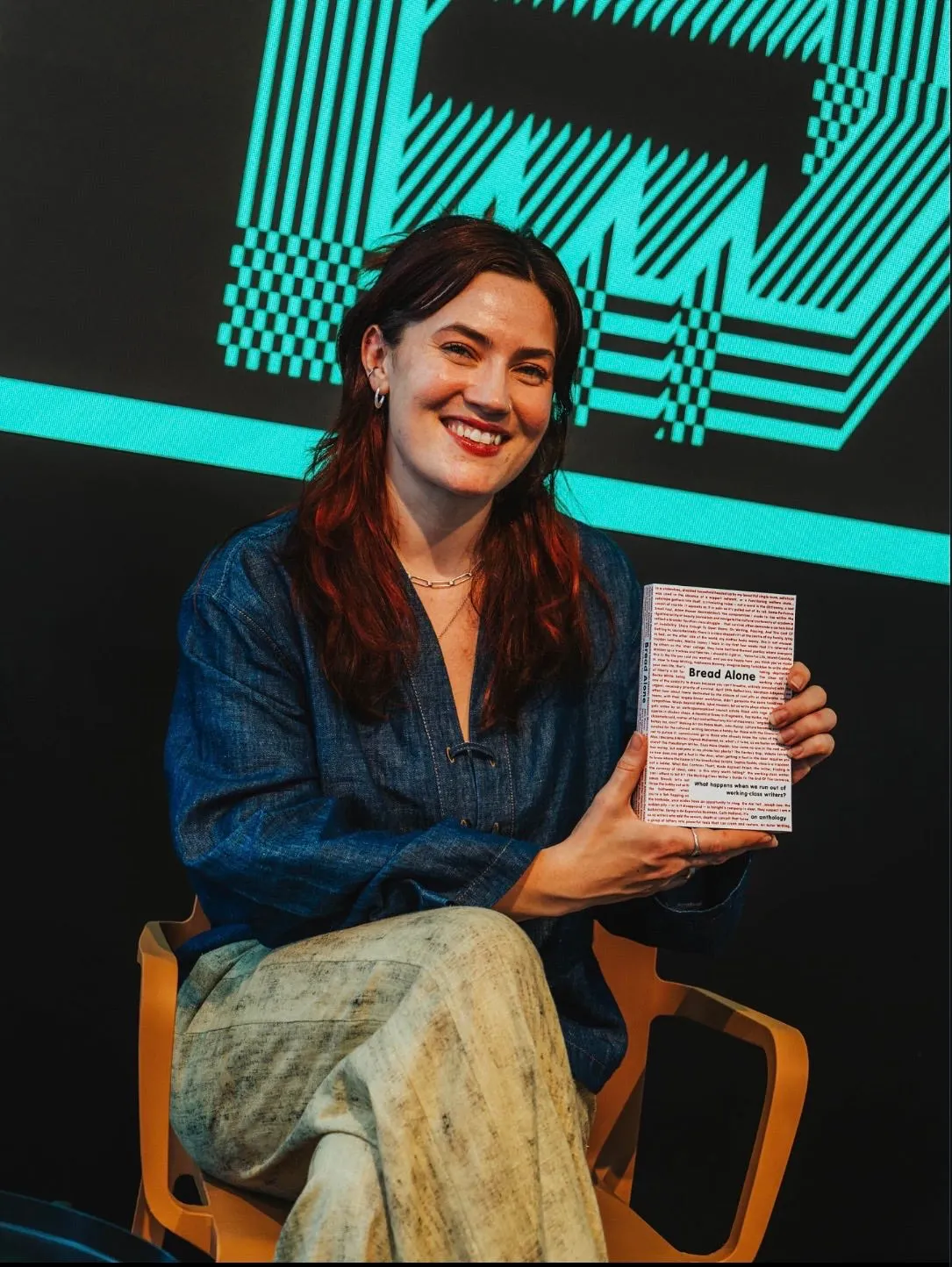
For many aspiring writers, publishing can feel like an industry built with invisible rules. Agents, proposals, publicity, launches and literary networks are often treated as knowledge you’re simply expected to have, making the process feel inaccessible long before you’ve written the first page. Esteemed journalist and editor Kate Pasola (S'ouvre dans une nouvelle fenêtre) wants to change that.
Her new anthology, Bread Alone: What Happens When We Run Out of Working-Class Writers? (S'ouvre dans une nouvelle fenêtre), brings together 33 contributors exploring class, creativity and the barriers that continue to shape who gets to tell stories. Over two-thirds of people working in UK publishing come from professional socio-economic backgrounds, while as little as 20% come from lower socio-economic backgrounds (S'ouvre dans une nouvelle fenêtre), making this work an essential read for any working-class creative, with much of the book’s contributors’ advice applicable across disciplines. And, beyond the essays themselves, Kate’s process of making the book became an education in everything publishing rarely explains: finding the right home for a project, building an audience, and the countless behind-the-scenes lessons she learned only through trial and error.
Below, Pasola reflects on editing an anthology, navigating independent publishing without an agent, and why working-class creatives shouldn’t wait for someone else to validate their ideas. Whether you’re hoping to write a book, launch a magazine, start a creative project or simply carve out a place in an industry that wasn’t built for you, her advice is as practical as it is reassuring.
Date
17/07/2026

