LA NEWSLETTER SETTIMANALE DI ANDREA BATILLA
WITH ENGLISH VERSION
PICCOLE AZIENDE E GRANDI PROGETTI
Uno dei modi per risolvere la crisi strutturale è che le piccole aziende ricomincino a fare marchi propri.
Le PMI, o Piccole e Medie Imprese, sono la struttura portante del patrimonio industriale italiano. Le imprese che occupano da 0 a 10 dipendenti (piccole) o da 10 a 100 dipendenti (medie) in Italia sono più importanti che nel resto d’Europa perché occupano più persone (intorno al 75% contro una media europea del 50%) e generano più valore all’interno dell’economia nazionale (65% contro 50% circa).
Questo succede per una complessa serie di motivi storici tra cui il fatto che in Italia le grandi imprese hanno sempre avuto molte difficoltà a esistere se in concorrenza diretta con aziende statunitensi. Basterebbe citare la disfatta di Olivetti o l’omicidio di Enrico Mattei, fondatore e primo presidente dell’ENI.
Nella moda la supply chain è completamente dipendente da piccole o medie imprese manifatturiere, spesso di matrice artigianale. I grandi gruppi, nello specifico, si appoggiano molto a fornitori esterni che diventano in breve dipendenti da loro e, come sta succedendo ultimamente, rischiano di chiudere quando le commesse calano.
Non molto tempo fa il proprietario di un piccolo maglificio, abituato a lavorare con molti brand del lusso, mi ha scritto che aveva deciso di creare un proprio brand e che se ne stava occupando dopo il lavoro quotidiano, la sera, in maniera appassionata, istintiva ma estremamente determinata.
È un’immagine molto romantica e anche corrispondente al percepito che si ha dell’imprenditoria italiana, ma rappresenta, in maniera molto realistica, come la ricchezza tecnica e culturale delle piccole aziende italiane faccia molta difficoltà a trasformarsi in progetti costruiti con accuratezza e a cui vengono allocate le giuste risorse umane ed economiche.
Nello specifico il proprietario mi ha raccontato di come il loro marchio non sia dipendente da direttori creativi o da sofisticate strategie di comunicazione ma nasca principalmente dalla qualità del prodotto e da come un know-how sviluppato negli anni a servizio dei brand del lusso venga applicato al loro nuovo progetto.
Ci sarebbero molte cose da dire ma bisogna prima di tutto fare chiarezza su cos’è un progetto di moda e perché la parte creativa e quella di comunicazione non sono fasi escludibili ma elementi formativi dell’identità del marchio.
Ogni essere umano e ogni organizzazione di esseri umani ha delle skill più sviluppate di altre. Magari perché il proprio cervello è fatto così o magari invece perché nel tempo si sono date priorità maggiori ad alcune attività invece che ad altre. Il mito delle persone molto organizzate e di quelle molto creative ci ha purtroppo insegnato che è più economicamente vantaggioso dividere in compartimenti stagni che sforzarsi di trovare una sintesi, un punto di contatto.
Siamo abituati all’iper specializzazione, all’iper focus e di conseguenza alla iper performatività. Elaboriamo progetti pensando che non sia necessario avere una visione generale ma ottenere il massimo dal controllo sulle singole fasi. Così il sistema è più facile da gestire e se la comunicazione non funziona basta mandare via il responsabile della comunicazione.
Il risvolto negativo di questo modus operandi è che chiunque può decidere che uno dei segmenti del progetto è più importante degli altri o che, addirittura, può non esistere.
Se siete appassionati di Lego sapete che ogni scatola arriva con una serie di pezzi predeterminata, tutti necessari, anche quelli che si vedono meno, anche quelli che magari servono a tenere in piedi la giraffa o il mazzo di fiori, ma rimangono fuori dal campo visibile. A nessun fan della Lego verrebbe mai in mente di sostituire un pezzo con un’altro o, peggio, di fare a meno di qualche pezzo perché nel tempo è andato perso. Esiste un fiorente commercio di singoli mattoncini Lego per una ragione.
Questo vuol dire che nessun pezzo è più importante degli altri perché contribuiscono tutti, nello stesso modo, a costruire l’oggetto finale esattamente come succede in un film, anche se è più difficile da immaginare.
Quando vi guardate un film o una serie che vi piacciono, semplicemente vi fate assorbire dal piacere e non analizzate il balance produttivo e creativo che è avvenuto tra lo sceneggiatore, il regista, il direttore della fotografia e gli attori.
Il regista in realtà ha avuto esattamente il ruolo di spaccare le responsabilità singole e mescolarle in un unico oggetto finale. Un bravo regista rende invisibile il lavoro delle singole unità, compresa quella che occupa lui. A meno che non soffra di problemi di narcisismo.
Al cuore di ogni film, come di ogni progetto, non c’è la bravura dei singoli ma quanto i singoli riescano a potenziare la storia che si vuole raccontare.
Questo nella moda è un concetto piuttosto astratto e la mitica espressione “Questa è una collezione di prodotto”, se guardata da questa prospettiva non ha senso. È come se un regista lavorasse solo con il direttore della fotografia e se ne fregasse del resto. Otterrebbe un film esteticamente perfetto ma che non comunica niente.
Tutto questo succede perché il nostro cervello organizza la realtà in storie. In questo modo sopravvivere diventa più semplice e quando incontra frammenti non allineati entra in uno stato di allarme. Questa è neurochimica, non fantascienza.
Una piccola realtà manifatturiera orientata ad un unico prodotto non ha nessuna capacità narrativa perché è sempre e solo stata un pezzo della storia e non ha mai partecipato coscientemente alla costruzione della giraffa o del vaso di fiori o del film. È quindi normale che per gestire il progetto della vita, quello più importante di tutti, ci si riunisca spensierati intorno a un tavolo dopo una giornata di lavoro, non all’inizio.
Da questo loop negativo se ne esce solo costruendosi, pezzo dopo pezzo, la coscienza che è necessario avere una storia da raccontare e se la storia non c’è, è meglio trovare altre strade di sopravvivenza.
Quello che faccio nel mio lavoro di consulenza alle aziende (e quello che fanno quasi tutti i consulenti) si sta spostando sempre più dal trovare soluzioni a problemi specifici al mettere a fuoco quali sono le domande da farsi per generare altre domande, cioè per creare problemi.
In genere quello che emerge in maniera più dirompente è che i pezzi che costruiscono la catena di valore del progetto non si parlano, oppure che alcuni punti sono estremamente fragili o ancora che certe aree non esistono del tutto.
Rompere la coscienza radicata che il prodotto di qualità vince su tutto o che un bravo direttore creativo è la chiave del successo o che alle strategie social debbano essere allocate più risorse che al resto è un lavoro incredibilmente duro.
Si tratta di risolvere un errore di fondo che non è solo culturale ma anche cognitivo. Anzi, è tutte due le cose insieme.
In psicologia del lavoro si chiama Local Optimization Bias cioè bias di ottimizzazione locale mentre in psicologia cognitiva diventa Narrow Framing cioè inquadramento ristretto. In pratica il nostro cervello impara a pensare solo al proprio pezzo di responsabilità personale perché ha imparato nel tempo che questo tipo di pattern porta più facilmente ad una tranquillità almeno apparente.
Siamo arrivati al centro del problema.
Quando negli anni ’80 è nato il Made in Italy e sono esplosi molti dei successi che ancora oggi lo popolano quel tipo di pattern non esisteva, sia perché erano esperienze poco strutturate e con un altissimo grado di coraggio di sperimentazione, sia perché la collaborazione tra imprenditori, stilisti, pr e fotografi era una cosa normale che avveniva anche davanti a una pizza, dopo il lavoro.
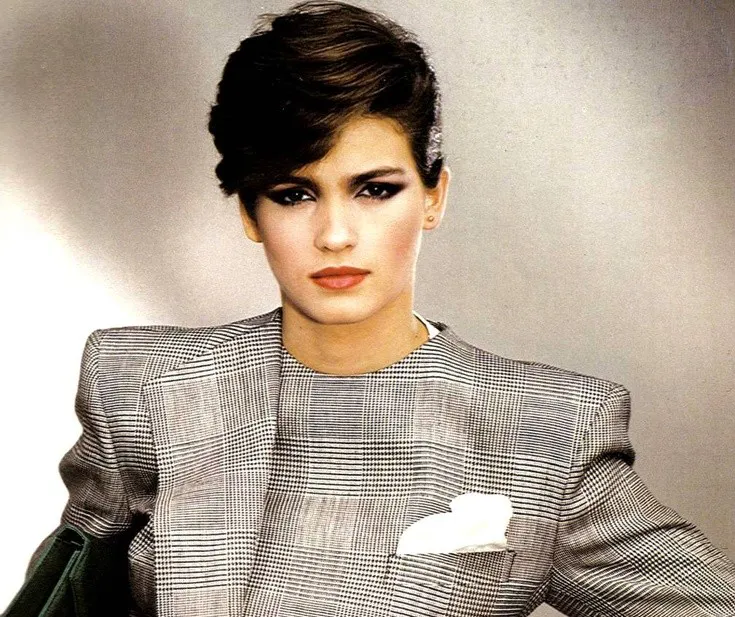
Mentre negli anni ’80 Giorgio Armani, Sergio Galeotti e Aldo Fallai erano un unico nucleo lavorativo ed affettivo, oggi la specializzazione ha portato all’allontanamento.
Quello che si può, o forse si deve, fare per costruire un progetto che funziona è legare ogni pezzo della catena di produzione del valore ad un’unica narrazione e rimanere lì, fermi, senza spostarsi mai di un millimetro.
SMALL COMPANIES AND BIG PROJECTS
One way to address the structural crisis is for small companies to start building their own brands again.
SMEs, or Small and Medium sized Enterprises, are the backbone of Italy’s industrial heritage. Companies with 0 to 10 employees small and 10 to 100 employees medium are more important in Italy than in the rest of Europe because they employ more people around 75 percent compared to a European average of 50 percent and they generate more value within the national economy 65 percent compared to roughly 50 percent.
This is the result of a complex set of historical factors, including the fact that in Italy large companies have always struggled to survive when competing directly with American firms. One only has to mention the collapse of Olivetti or the killing of Enrico Mattei, founder and first president of ENI.
In fashion the supply chain is entirely dependent on small and medium sized manufacturing companies, often with an artisanal background. Large groups in particular rely heavily on external suppliers who quickly become dependent on them and, as has been happening recently, risk shutting down when orders decline.
Not long ago the owner of a small knitwear factory, accustomed to working with many luxury brands, wrote to me to say that he had decided to create his own brand and that he was working on it after his daily job in the evenings, in a passionate, instinctive but extremely determined way.
It is a very romantic image and one that aligns with the common perception of Italian entrepreneurship, but it also very realistically shows how the technical and cultural wealth of small Italian companies struggles to turn into carefully constructed projects with the right human and financial resources allocated to them.
More specifically, the owner told me that their brand does not depend on creative directors or sophisticated communication strategies but is born primarily from product quality and from applying know how developed over many years in the service of luxury brands to their new project.
There would be many things to say, but first of all it is necessary to clarify what a fashion project is and why the creative side and the communication side are not optional phases but formative elements of a brand’s identity.
Every human being and every organization of human beings has some skills that are more developed than others. This may be because our brains are wired that way or because over time greater priority has been given to certain activities rather than others. The myth of highly organized people and highly creative people has unfortunately taught us that it is more economically convenient to divide things into rigid compartments than to make the effort to find a synthesis, a point of contact.
We are used to extreme specialization, extreme focus and consequently extreme performance. We design projects thinking that it is not necessary to have an overall vision but rather to get the maximum out of controlling individual phases. In this way the system is easier to manage and if communication does not work it is enough to fire the head of communication.
The negative side of this way of operating is that anyone can decide that one segment of the project is more important than the others or that it can even be eliminated altogether.
If you are a Lego fan you know that every box comes with a predetermined set of pieces, all of them necessary, even the ones you see less, even the ones that may be there just to hold up the giraffe or the bouquet of flowers but remain outside the visible field. No Lego fan would ever think of replacing one piece with another or worse doing without some pieces because they were lost over time. There is a thriving market for individual Lego bricks for a reason.
This means that no piece is more important than the others because they all contribute in the same way to building the final object, exactly as happens in a film, even if it is harder to imagine.
When you watch a movie or a series you like, you simply let yourself be absorbed by the pleasure and you do not analyze the productive and creative balance that took place between the screenwriter, the director, the director of photography and the actors.
The director in reality has the role of breaking down individual responsibilities and mixing them into a single final object. A good director makes the work of the individual units invisible, including his own, unless he suffers from narcissistic issues.
At the heart of every film, as of every project, is not the individual talent of each person but how much each person is able to strengthen the story being told.
In fashion this is a rather abstract concept and the legendary expression “this is a product driven collection,” when viewed from this perspective, makes no sense. It is like a director working only with the director of photography and ignoring the rest. He would get an aesthetically perfect film that communicates nothing.
All of this happens because our brains organize reality into stories. This makes survival easier and when the brain encounters fragments that are not aligned it enters a state of alarm. This is neurochemistry, not science fiction.
A small manufacturing company oriented around a single product has no narrative capacity because it has always been only a piece of the story and has never consciously participated in building the giraffe or the vase of flowers or the film. It is therefore normal that in managing the project of a lifetime, the most important one of all, people casually gather around a table after a day of work rather than at the beginning.
The only way out of this negative loop is to build, piece by piece, the awareness that it is necessary to have a story to tell and if the story does not exist it is better to find other ways to survive.
What I do in my consulting work with companies and what almost all consultants do is increasingly shifting from finding solutions to specific problems to focusing on what questions need to be asked in order to generate more questions, that is to create problems.
What usually emerges most forcefully is that the pieces that make up the project’s value chain do not communicate with each other or that some points are extremely fragile or that certain areas do not exist at all.
Breaking the deeply rooted belief that product quality alone wins everything or that a great creative director is the key to success or that social strategies should be allocated more resources than everything else is incredibly hard work.
It is about fixing a fundamental error that is not only cultural but also cognitive. In fact it is both at the same time.
In work psychology this is called Local Optimization Bias while in cognitive psychology it becomes Narrow Framing. In practice our brains learn to think only about our own slice of responsibility because over time we have learned that this kind of pattern more easily leads to a sense of calm, at least an apparent one.
We have arrived at the core of the problem.
When Made in Italy emerged in the 1980s and many of the successes that still define it today took shape, that kind of pattern did not exist, both because these were loosely structured experiences with an extremely high degree of experimental courage and because collaboration between entrepreneurs, designers, publicists and photographers was normal and often happened over a pizza after work.
While in the 1980s Giorgio Armani, Sergio Galeotti and Aldo Fallai formed a single working and emotional nucleus, today specialization has led to separation.
What can, or perhaps must, be done to build a project that works is to tie every piece of the value creation chain to a single narrative and stay there, firmly, without moving even a millimeter.
Data
19/02/2026
Tópico
POST SETTIMANALI
0 comentários
Gostaria de ser o primeiro a escrever um comentário?
Torne-se membro de LA MODA È UNA COSA SERIA e comece a conversa.