As you may have gleaned from the main Caught by the River newsletter recently, some rough waters have been swirling around the editorial team since the beginning of the year. All sense of time collapsed. Schedules and best laid plans were scattered to the wind. The boat’s still rocking.
January’s Book of the Month — the newly published paperback edition of Jason Allen-Paisant’s memoir The Possibility of Tenderness (Abre numa nova janela) — was somewhat whipped up in the disarray, but it’s no less deserving of your attention than it was three weeks ago. Even moreso, perhaps, given the degree of care, consideration, and yes, absolute tenderness, with which Jason approached our interview questions, once circumstances and availabilities finally aligned. We’re so thrilled to be able to share this incredibly generous and beautiful author interview. We hope it helps you weather the storm, as it has us.
Read on as Jason Allen-Paisant speaks to Tallulah Brennan about the poetic impulses of the Caribbean, vernacular intimacy with plants, and soil as an emblem of life & death.
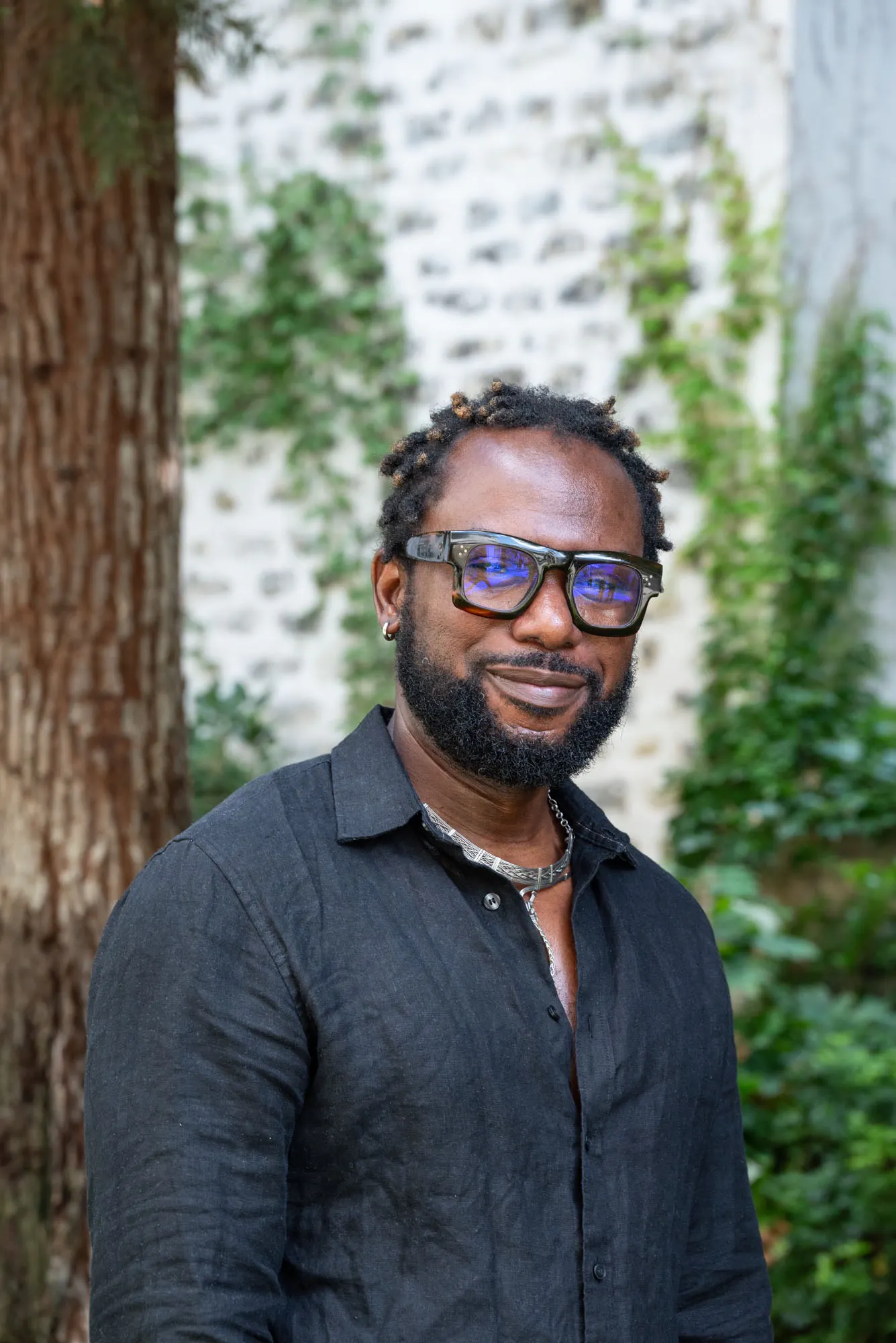
Jason Allen-Paisant, photographed by Ferrante Ferrante
To start, a couple of quick-fire questions.
Of all the plants you’ve ever grown and nurtured, are there any you have a particular affinity with, and why?
That has to be jointa. The evocation of the word, for me, does what the madeleines do — what the madeleines are — for Proust. I’m teleported straight back to the veranda of my grandmother’s house. I’m four years old again.
Jointa comes from the South American cava family; it’s good for belly aches. But I think I drank it most of the time simply because I loved it: the heady smell and the spicy taste, the way those sensations arrived together.
Expanding on an idea you touch on in the book: how has having children changed your relationship to green space in the city?
I suspect that even the choice of writing about green space was catalysed, at least in part, by having children.
In my memory, the mere fact of observing my first daughter playing in the woods — touching barks, pinching buds, running her hands over flowers — when she was only two years old — stirred up a lot of thinking about my own childhood spent among trees and in the green hills of Coffee Grove, Manchester, Jamaica.
And it’s that memory of childhood, and that big Why – why I lost touch with all that — that generated the book.
Data
22/02/2026
Tópico
Author interviews
0 comentários
Gostaria de ser o primeiro a escrever um comentário?
Torne-se membro de Caught by the River e comece a conversa.