In a time of geopolitical tension and shifting defense priorities, steady cash returns from defense contractors can feel like an anchor for investors. That’s why the latest announcement from General Dynamics is drawing attention across the market. The aerospace and defense giant has once again raised its dividend, reinforcing its reputation as one of the sector’s most consistent shareholder-return stories.
On March 9, 2026, General Dynamics announced it will increase its quarterly dividend to $1.59 per share, up from $1.50, representing a 6% increase. The new dividend implies a forward yield of roughly 1.75%, with the ex-dividend date set for April 10, 2026, and the payment scheduled for May 8, 2026. For long-term investors, the move signals both financial strength and management confidence.
Company Overview
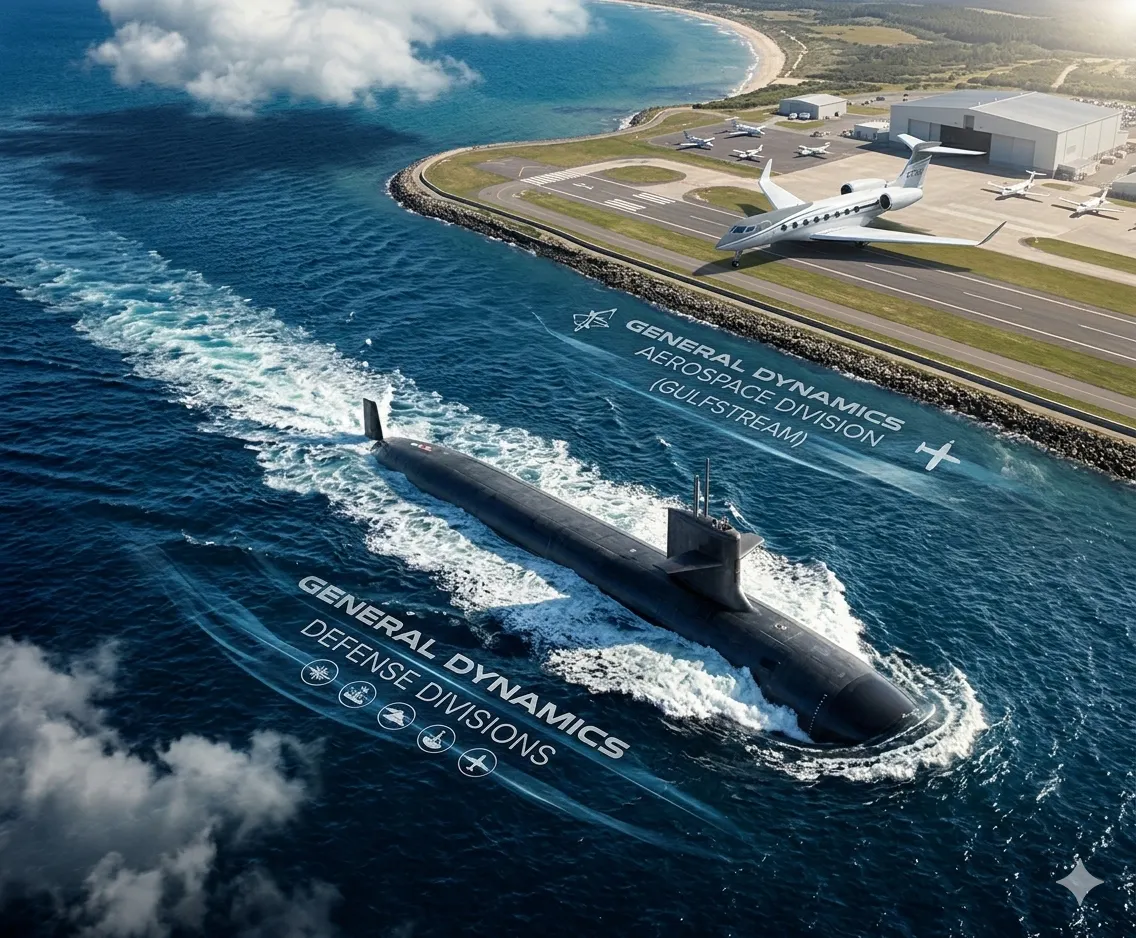
General Dynamics is one of the world’s largest aerospace and defense companies, operating across four primary segments: Aerospace, Marine Systems, Combat Systems, and Technologies. The company is best known for producing Gulfstream business jets, U.S. Navy nuclear submarines, and a range of advanced combat vehicles and IT systems.
Headquartered in the United States, General Dynamics has spent decades building a diversified defense portfolio deeply embedded within government procurement ecosystems. Its Marine Systems division constructs Virginia-class and Columbia-class submarines for the U.S. Navy, while its Combat Systems unit produces the Abrams tank and other land combat technologies.
This mix of aerospace, shipbuilding, and defense electronics creates a balanced revenue structure that cushions the company from cyclical swings in any single segment.
Key Recent Developments
The dividend increase arrives at a moment when defense budgets in the United States and allied nations are expanding. Rising geopolitical tensions and modernization programs have led to multi-year procurement commitments that directly benefit companies like General Dynamics.
In particular, the company’s submarine programs remain a cornerstone of its long-term revenue outlook. The Columbia-class submarine project, one of the largest defense programs in U.S. history, will stretch across decades and provide stable shipbuilding demand.
Meanwhile, Gulfstream’s new-generation jets—especially the G700 and G800—are helping the aerospace segment capture strong demand from corporate and ultra-high-net-worth customers. The rebound in private aviation following pandemic-era disruptions has strengthened this business line considerably.
Together, these developments have supported healthy cash flow, giving management room to continue raising dividends while maintaining investment in new technologies.
The Company's Competitive Moat
General Dynamics’ competitive moat stems primarily from the complexity and strategic importance of its defense programs. Building nuclear submarines, advanced armored vehicles, and classified IT systems requires specialized expertise, regulatory approvals, and long-term relationships with governments.
Few companies globally possess the engineering infrastructure or security clearances necessary to compete in these fields. Once a contractor becomes embedded in a defense program, replacement becomes extremely difficult due to national security considerations and technical continuity requirements.
Additionally, the company benefits from high switching costs and long contract cycles. Defense programs often last decades, creating predictable revenue streams and durable barriers to entry.
SWOT Analysis
General Dynamics’ strengths lie in its diversified defense portfolio, strong government relationships, and consistent cash generation. Its shipbuilding and combat systems divisions provide stable long-term revenue tied to national defense priorities, while the Gulfstream business jet franchise delivers high-margin aerospace exposure. Another major strength is the company’s disciplined capital allocation strategy, which includes regular dividend increases and share buybacks.
However, weaknesses remain. A large portion of revenue still depends on U.S. government spending, making the company sensitive to shifts in political priorities and budget negotiations. Large defense projects can also face delays or cost overruns, which occasionally pressure margins.
Opportunities for General Dynamics are significant. Rising global defense budgets, NATO expansion of military capabilities, and modernization of naval fleets create strong demand for the company’s products. The growing market for ultra-long-range business jets also offers expansion potential in the aerospace segment.
Threats primarily come from regulatory changes, geopolitical shifts, and increasing competition from other defense giants. Supply chain disruptions or evolving military technologies could also alter procurement patterns over time.
Conclusion
General Dynamics’ latest dividend increase may seem modest at first glance, but it reinforces a powerful narrative: stability. In a volatile market, companies capable of consistently returning cash while securing long-term government contracts stand out.
For income-oriented investors, the company’s steady dividend growth and reliable defense revenue streams make it a compelling candidate for long-term portfolios. However, the relatively modest yield means the investment thesis rests more on durability and gradual growth than on immediate income.
If defense spending continues to rise globally, General Dynamics appears well positioned to reward patient shareholders for years to come.
Support independent financial journalism by becoming a supporter of this project.
This article is for informational purposes only and does not constitute investment advice.
Date
March 10, 2026
Topic
Dividend Growth
0 comments
Would you like to be the first to write a comment?
Become a member of Dividend Growth Stocks🚀 and start the conversation.