(english below)
sich bewusst machen, nicht allein zu sein, und die freude nicht verlieren am leben, am dasein. das ist eine der größten aufgaben, die ich mir im antifaschismus vorstellen kann.
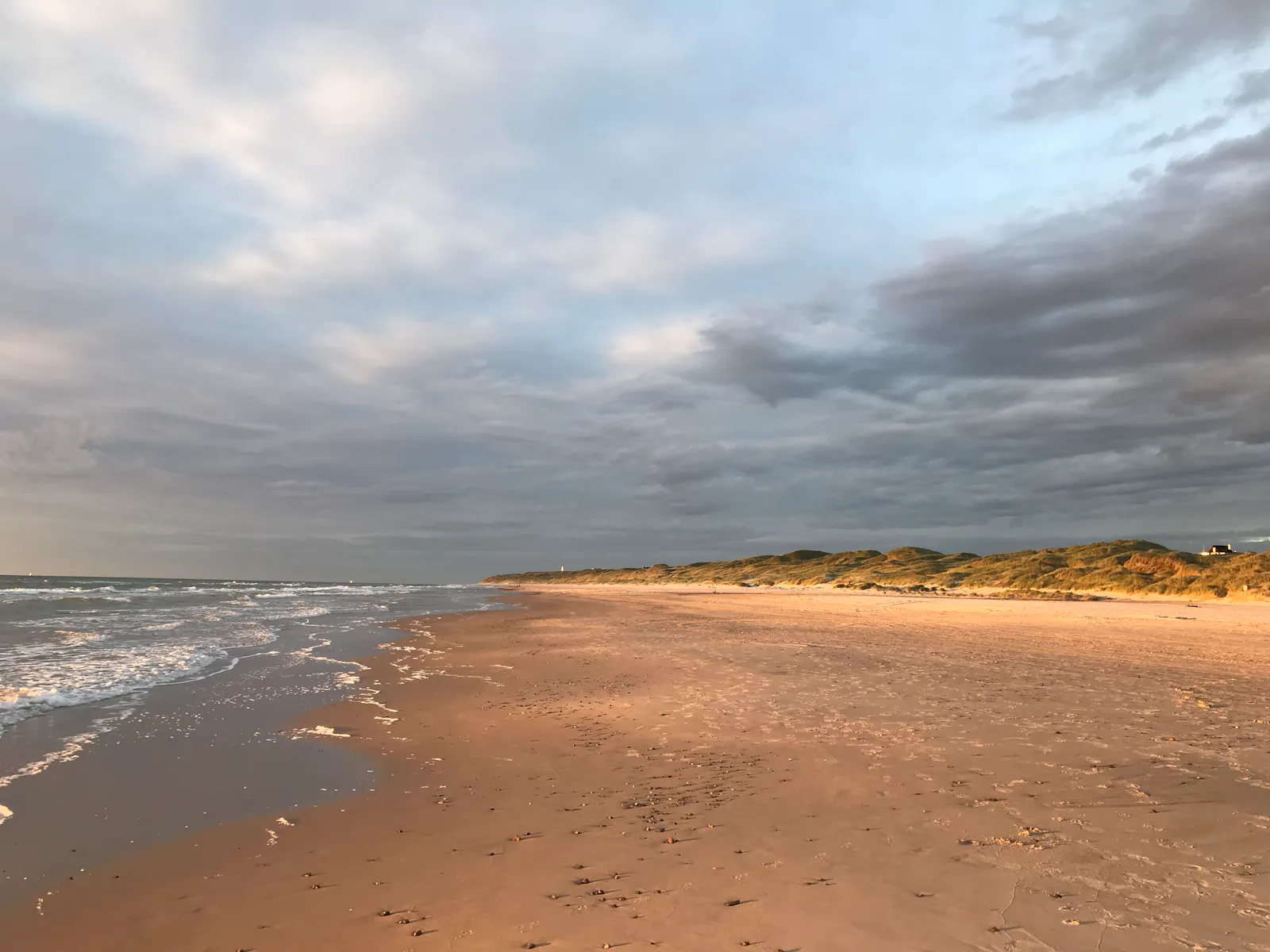
ich verbringe urlaubswochen unter menschen. mal im garten, mal am meer, immer barfuß. ich schreibe viel. ich versuche, die täglichen nachrichten zu dosieren, vor allem: sie nicht gleich morgens nach dem aufstehen zu lesen, wenn ich dünnhäutig und verletzlich bin vom schlaf. wenn der tag noch vor mir liegt, noch etwas werden könnte.
die zeitung mit vier buchstaben redet von linksrutsch, während die cdu afd-politik macht, fossile energien werden als gute neue idee propagiert, während die klimakatastrophe immer schneller voranschreitet, die regierung fantasiert von faulheit und teurem sozialstaat, während statistisch gearbeitet wird wie nie und summen veruntreut werden, die so hoch sind, dass ich sie mir nicht einmal vorstellen kann.
sich vorkommen wie im orwell-roman, ein hilfloser vergleich, der es trotzdem trifft, die wortverdrehungen, die realitätsverschiebung.
verbote gendergerechter sprache werden gefordert, die institutionen betreffen, die stipendien betreffen, sofern sie öffentliche gelder erhalten. was bedeutet das für queere literatur? was bedeutet es für queere autor_innen, die finanziell auf stipendien angewiesen sind? wird es ein langsames sterben queerer literatur geben, weil sie sich kapitalistisch nicht mehr genug ausbeuten lässt, in einem gesellschaftlichen klima, dass hundert jahre rückwärts strebt?
ich will ausbrechen. hinterfragen. ich lasse die füße von der gischt umspülen, ich suche mich in der realität zu verankern. ich denke: dass jemand sprache verbieten will, zeigt auch, wie mächtig sprache ist.
ich lese briefe von rachel carson und dorothy freeman, nachdem ich über einen artikel auf “the marginalian” darauf gestoßen bin (ein englisches onlinefeuilleton, das ich euch ans herz legen möchte, auch den wunderbaren newsletter. unbezahlte werbung, unasked for).
die biologin und schriftstellerin rachel carson schrieb unter anderem das buch “der stumme frühling”, das im original 1962 und in deutscher übersetzung erstmals 1963 erschien und die auswirkungen von pestiziden, insbesondere DDT, auf die tier- und pflanzenwelt beschreibt. carson erkannte schon damals, dass menschengemachtes insektensterben zum tod der singvögel führt. ihre recherchen waren für sie selbst verstörend. doch in ihren briefen an ihre geliebte stecken so viel kraft, mut und hoffnung. und liebe.
carson schreibt: “you were always with me when i wakened in the night […| and always the sense of your presence, and of your sweet tenderness, and love was very real to me.”
sie zitiert john keats’ "endymion” und schreibt: “there will be, in each of our hearts, a little oasis of peace and ‘sweet dreams’ where the other is.”
freeman schreibt: “my thoughts are never far from you. i love you so”.
wie üblich gilt die beziehung der beiden frauen als “umstritten”TM oder gleich als “platonisch”, wie wir es unter anderem von virginia woolf und vita sackville-west kennen: “dieses urteil gründet sich hauptsächlich auf die unkritische übernahme der aussage von virginias neffen und erstem biographen [sic], quentin bell, und von vitas sohn, nigel nicolson, dem herausgeber von virginias briefen.” (susanne amrain). das patriarchat, dass eine beziehung in die gewünschte form presst, auch dies ein framing von realität, das ich nicht unhinterfragt lassen will.
es tut gut, in diesen zeiten von der liebe zu lesen.
“in the recognition of the existence of love lies the answer to despair.” (audre lorde)
rachel carson schreibt in einem atemzug über ihre krebsbehandlung und die damit verbundenen ängste und: “i think i forgot to tell you about tracking down a spring peeper, one showery evening by flashlight, as he sat on a tiny twig springing out from a pine tree beside the porch.”
es sind ihre kleinen alltagsbeobachtungen, ihre bewunderung für die natur, die mich tief berühren. und ihre überzeugung, dass sie schreiben MUSS, das wort in die welt tragen:
“you do know, i think, how deeply i believe in the importance of what I am doing.”
sie schreibt: “if i kept silent i could never again listen to a veery’s song without overwhelming self-reproach.”
ich erinnere mich, wie ich tagebucheinträge von brigitte reimann las, in einer situation, in der alles unsicher war, das dach über dem kopf wie die nächste mahlzeit, in der ich überarbeitet war und oft verzweifelt. ich erinnere mich, wie viel kraft mir reimanns worte gaben. ihr unbedingter wille zu leben, ihre hoffnung trotz aller umstände. das gefühl, nicht allein zu sein mit liebeskummer und selbstzweifeln und der ganzen quälerei im kopf.
“dieser tag hat mich kurz und klein geschlagen, ich muß [sic] erst damit fertigwerden. man sollte nicht mehr reden oder reden hören, sondern unbeirrt schreiben.” (1962)
immer wieder geht es reimann körperlich wie seelisch schlecht, und sie schreibt trotzdem, am tagebuch, an der franziska.
“manche leute reisen, um etwas zu vergessen, und wahrscheinlich ist das schreiben auch so eine art reise in eine fremde und zugleich vertraute - selbstgeschaffene - welt.” (1964)
es ist mir wichtig, mitzubekommen, was passiert und was uns bedroht. doch ebenso wichtig scheint mir, sich nicht überrollen zu lassen von der welle an lügen und verdrehung. ich kann nicht sprechen, wenn ich in angst und verwirrung ertrinke. die gedanken von autorinnen zu lesen, übers schreiben, über natur, über das leben, wirkt wie ein gegengift. das denken trainieren. schwimmen lernen.
“all this summer, i was nervous as a cat, - starting, dreaming, brooding, - now i am all vigorous and sturdy again, and ravenous for life once more.” (vita sackville west an virginia woolf, 5.10.1928)
was kleines tun:
lies (oder hör) briefe, tagebucheinträge oder einen newsletter einer person, deren bücher du magst. beschäftige dich bewusst mit deren perspektive. was besorgt sie? was gibt ihr hoffnung? stimmst du ihr zu, wenn ja, warum? wenn nein, warum nicht?
literatur:
rachel carson: der stumme frühling. übersetzt von margaret auer
maria popova: the story behind “silent spring”: how rachel carson’s countercultural courage catalyzed the environmental movement
rachel carson, dorothy freeman, martha freeman: always, rachel. the letters of rachel carson and dorothy freeman, 1952-1964
(leider gibt es diese briefsammlung nur noch als e-book, zumindest für alle, die keine ca. 100,- euro für ein buch ausgeben möchten/können.)
susanne amrain: so geheim und vertraut. virginia woolf und vita sackville-west
audre lorde: the cancer journals
brigitte reimann: ich bedaure nichts. tagebücher 1955 - 1963
brigitte reimann: franziska linkerhand
brigitte reimann: alles schmeckt nach abschied. tagebücher 1964-1970
louise desalvo und mitchell a. leaska (hg.): the letters of vita sackville-west and virginia woolf
to be aware that you’re not on your own, and to not lose joy in life and in existing. that’s one of the biggest challenges i can come up with in antifascism.
i spend my holidays among people. sometimes in the garden, sometimes at the seaside, always barefooted. i try to dose my daily news intake, most importantly: to not read the news right after getting up in the morning, when i’m still fragile and vulnerable from my sleep. when the day is still ahead of me, having the chance to turn into something good.
the paper with four letters (bild-zeitung) talks about a shift to the left while the cdu’s politics is the same as the afd’s, fossile energy is presented as a cool new idea while climate catastrophe is gathering speed, our government is fantasizing about laziness and welfare state too expensive while statistically people work as much as never before and money is getting misappropriated in such huge amounts that i cannot even imagine them.
it’s like living in an orwell novel. a helpless comparison, yet fitting for the twisting of words, the shifts of reality.
politicians demand the ban of gender-neutral language, targeting institutions and fellowships, as long as they are state-funded in any way. what does this mean for queer literature? for queer authors financially depending on fellowships? will queer literature suffer a slow death because it’s not capitalistically exploitable anymore in a social climate striving backwards a hundred years in time?
i want to break free. to challenge the bullshit. i let the sea spray wash my feet, anchoring myself in reality. i think: someone wanting to ban language does mean that language is powerful.
i’m reading letters by rachel carson and dorothy freeman, after stumbling upon them at “the marginalian” (an online feuilleton i’d like to recommend to you, their beautiful newsletter, too. unpayed ad, unasked for).
biologist and author rachel carson has, among others works, written the book “silent spring”, which was released in 1962 and shows the impact of pesticides, especially DDT, on flora and fauna. to carson herself, her research was disturbing. her letters to her beloved though are filled with so much power, courage and hope. and love.
carson writes: “you were always with me when i wakened in the night […| and always the sense of your presence, and of your sweet tenderness, and love was very real to me.”
citing john keats’ "endymion”, she writes: “there will be, in each of our hearts, a little oasis of peace and ‘sweet dreams’ where the other is.”
freeman writes: “my thoughts are never far from you. i love you so”.
as usual, the relationship of these two women is considered “debatable”TM or outright “platonic”, an opinion well known regarding, among others, virginia woolf and vita sackville-west. “this judgement is primarily rooted in the uncritical acceptance of the statements made by virginia’s nephew and first biographer, quentin bell, and vita’s son, nigel nicolson, who edited virginia’s letters.” (susanne amrain, translation by me). patriarchy pressing a relationship into the desired form - this, too, a framing of reality i wouldn’t like to leave unchallenged.
it is wholesome to read about love during these times.
“in the recognition of the existence of love lies the answer to despair.” (audre lorde)
rachel carson is writing about her cancer treatment and the associated fears, and in the same breath: “i think i forgot to tell you about tracking down a spring peeper, one showery evening by flashlight, as he sat on a tiny twig springing out from a pine tree beside the porch.”
it’s her little observations of daily life, her admiration for nature that resonate so deeply with me. and her conviction that she has to write, has to carry her knowledge into the world:
“you do know, i think, how deeply i believe in the importance of what I am doing.”
she writes: “if i kept silent i could never again listen to a veery’s song without overwhelming self-reproach.”
i remember reading diary entries by brigitte reimann, in a phase where everything was unstable, where i didn’t know if i could keep the roof above my head or where the next meal would come from, i was overworked, often desperate. i remember how much strength her words gave me. her desire to live by all means, having hope against all odds. the feeling not to be the only one with heartbreak and self-doubts and all that agony on my mind.
“this day has smashed me to bits, ich have to cope first. you shouldn’t talk or listen to others talk anymore, but write unwaveringly instead.” (1962) (translation by me)
again and again she is suffering mentally and physically, but she is still writing, working on her diary, and on the franziska novel.
“some people travel in order to forget things, and writing is probably a kind of traveling, too, into a foreign and at the same time familiar world - a self created one.” (1964) (translation by me)
it is important to me to notice what is going on and what we are threatened by. but equally important it seems to me to not let myself be overwhelmed by the waves of lies and twists. i am not able to speak up while drowning in fear and confusion. to read the thoughts of writers, about writing, about nature, about life, works like an antidote. i’m training myself to think. learning to swim.
“all this summer, i was nervous as a cat, - starting, dreaming, brooding, - now i am all vigorous and sturdy again, and ravenous for life once more.” (vita sackville west in a letter to virginia woolf, 5.10.1928)
tiny call to action:
read (or listen to) letters, diary entries or a newsletter of a person whose books you’re fond of. consciously consider their perspective. what makes them worry? what gives them hope? do you agree with them, if so, why? if no, why not?
books etc:
rachel carson: silent spring
maria popova: the story behind “silent spring”: how rachel carson’s countercultural courage catalyzed the environmental movement
rachel carson, dorothy freeman, martha freeman: always, rachel. the letters of rachel carson and dorothy freeman, 1952-1964
(sadly, this collection seems out of print and is available as e-book only. except you like/are able to spend about 100,- euros on a book)
susanne amrain: so geheim und vertraut. virginia woolf und vita sackville-west
audre lorde: the cancer journals
brigitte reimann: ich bedaure nichts. tagebücher 1955 - 1963
brigitte reimann: franziska linkerhand
brigitte reimann: alles schmeckt nach abschied. tagebücher 1964-1970
louise desalvo und mitchell a. leaska (ed.): the letters of vita sackville-west and virginia woolf
Data
27/08/2025
Argomento
schreiben gegen ohnmacht


