In this month's subscriber essay, Spark biographer James Bailey explores her bleak masterpiece of a life's descent into an "anguished shriek of bloody despair", making comparisons with "giallo horror at its grisliest".
In a department store somewhere in northern Europe, a young woman named Lise is trying on a dress. The garment is garish, its pattern featuring a psychedelic clash of geometric shapes and vivid colours. Yet Lise seems delighted with her choice. “That’s my dress”, she announces happily to the shop assistant: “Lovely colours”. The assistant tells her that she agrees; the fabric of the dress, she adds enthusiastically, has been “specially treated” so that it won’t pick up stains. In an instant, the cool air of the fitting room burns hot. “Do you think I spill things on my clothes?”, Lise shrieks furiously, her outburst turning the heads of the other customers: “I won’t be insulted!”. Before she storms out of the shop and onto the street, she registers the gasps and gawks of those around her with an expression of satisfaction. In the bright, bland, stain-proof world she inhabits, she seems to understand, she has begun at last to leave her mark.
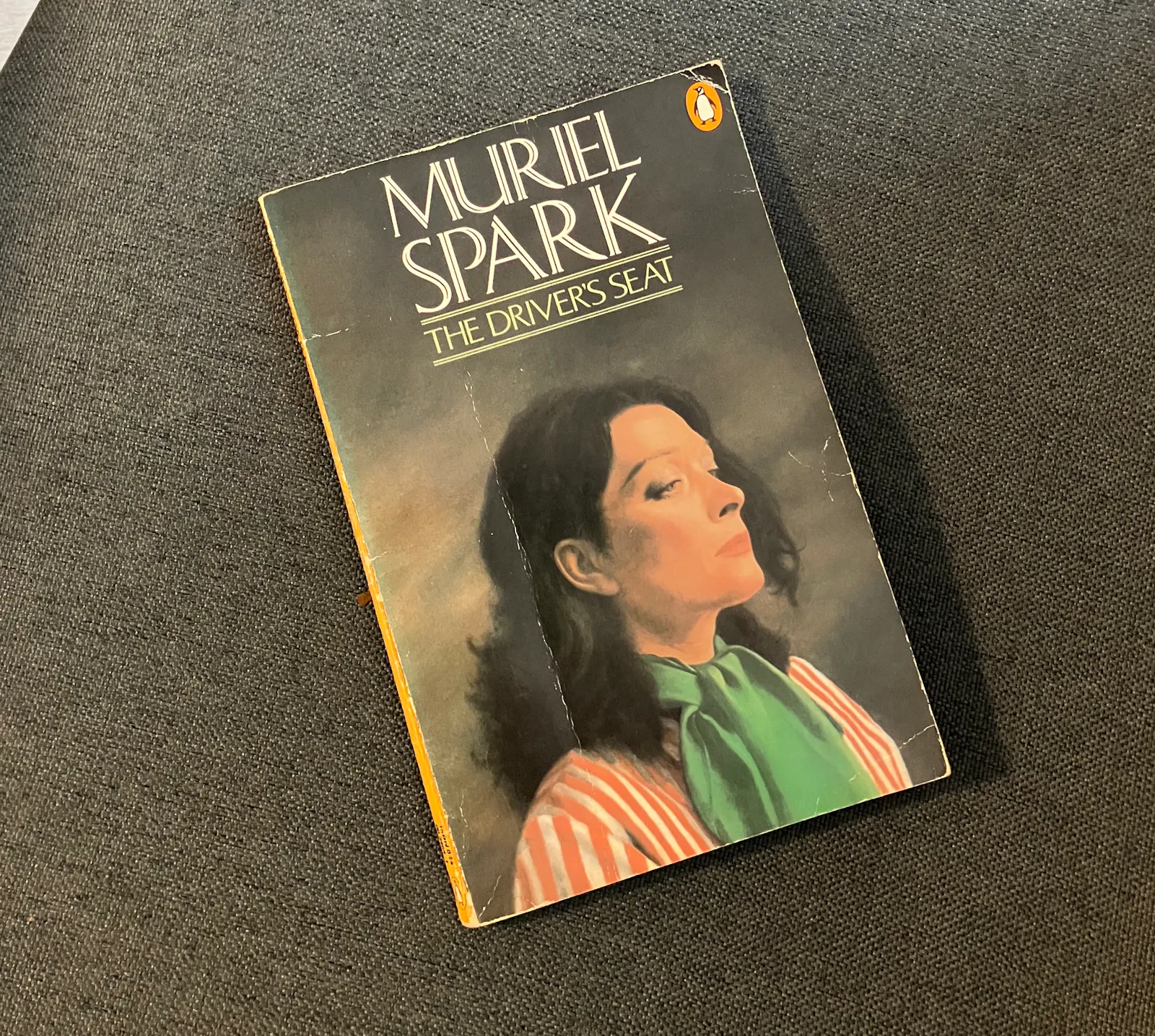
So begins Muriel Spark’s 1970 novel, The Driver’s Seat, a pitch-black murder mystery that was praised by The New Yorker as its author’s “spiny and treacherous masterpiece”. I’m quite fond of that description. It conjures an image of a bristly-bodied centipede, scuttling about unseen before releasing its venom. The book’s influences are manifold: pulpy detective thrillers; newspaper reports of violent crimes; the anonymous interiors of chain hotels, department stores and airports; giallo horror at its grisliest. It all amounts to a thoroughly disquieting depiction of voyeurism, mania and deadly self-estrangement, on which Spark worked intensely over a few short weeks and finished from a hospital bed. “I frightened myself writing it”, she later recalled, “but I had to go on”. Over 50 years on from its publication, The Driver’s Seat still unsettles. Even Nick Cave – that gothic “godfather to lurid inhabitants of an oily netherworld”, in the words of this website’s own Luke Turner - confessed to being left rattled after reading it. High praise indeed.
I first encountered the book as a teenager. I was a morose, introverted creature back then, prone to bunking off school in favour of disappearing behind a dog-eared paperback in a friend’s bedroom or the neglected corner of a greasy spoon. Spark’s novels, most of which are short enough to be read in a single sitting, were a perfect companion on days like these. I loved the sheer nerve of their plots: a group of pensioners receiving nuisance phone calls from death in 1959’s Memento Mori; a man, who may or may not be the devil, upsetting the status quo in 1960’s The Ballad Of Peckham Rye; a woman overhearing the clanking typewriter keys of her own author in Spark’s debut, 1957’s The Comforters. But it was Spark’s merciless wit – a delicate blend of cruelty and camp – that I most loved. “You will end up as a Girl Guide leader in a suburb like Corstorphine”, sighs her most famous creation, the titular schoolteacher in 1961’s The Prime of Miss Jean Brodie, to a terminally dull pupil named Eunice. That was me hooked; stuck in my own suburban slump, I appeared to have found a writer who spoke my language.
Data
23/04/2026
0 comentários
Gostaria de ser o primeiro a escrever um comentário?
Torne-se membro de The Quietus e comece a conversa.