I was a totally different person when I moved on my own, with 1000 euros to my name, to what I thought was going to be THE place for the rest of my life.
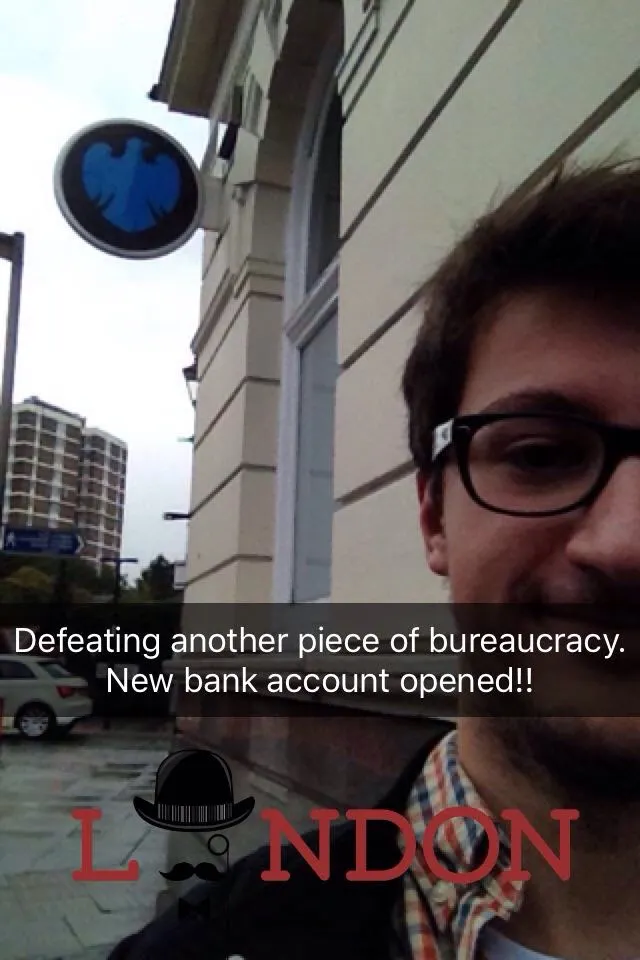
As a 22 years-old young man on a very early morning bus leaving the Milanese countryside suburb I loathed since I was 11 I could have not imagined that my life in London would have changed my perception on many things, including languages, forever.
(this is giving main character energy, I know. Alexa, play “Built This Way” by Samantha Ronson).

For sure, going to live abroad changes a person in many ways
But here I am not talking about myself as a fully-realised main character. Stereotypically enough, I realised my views had changed only after a while, and only when I started to interact with a lot of people who were (and are) fully immersed in the Italian/continental way of thinking. Oh dear, I have just used “continental” unironically in a sentence. And to think that I don’t even have a British passport - as I could not afford the whole application process fees!

I had imagined that my life in London would have been different
I mean, anyone does that when moving abroad, right?
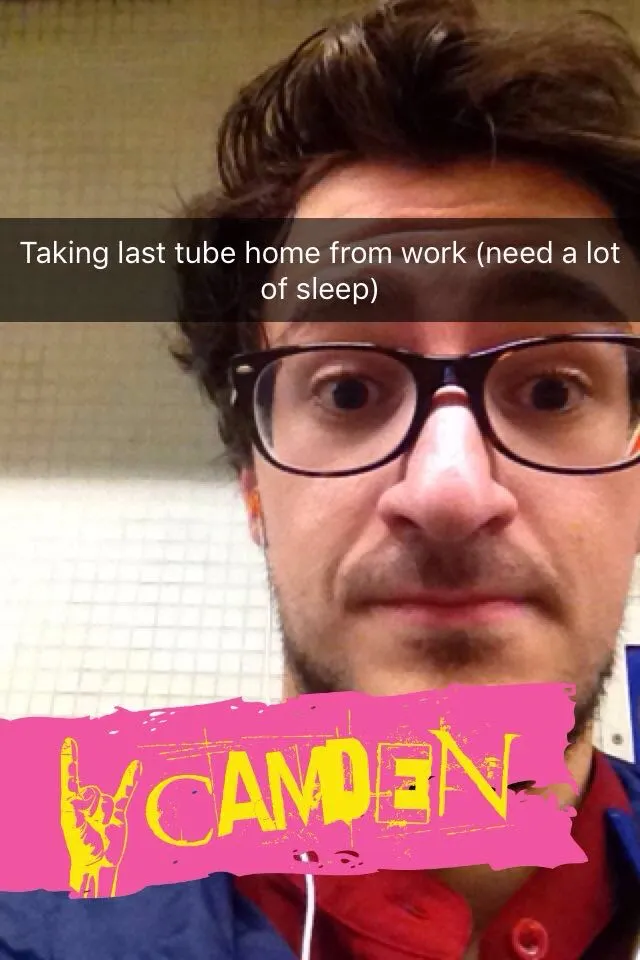
I did not envision working every Friday and Saturday night and a whole 12 hours shift on Sundays for a big fast food chain getting paid just enough to afford my utility bills. I did not envision having flatmates that would not even dare to communicate with each other. I did not envision having to dribble between privileged and wealthy people attending what it is considered to be a top quality university and for this reason only thinking that they are the smartest people in the room. In fewer words, my first months, or maybe even years, in London totally sucked.

It was then, though, that my whole vision on things changed
It will seem obvious (and maybe a stretch) but working for minimum wage jobs was beneficial to me in a way that probably my Russel Group education will never be. It helped me to, as we say in this second half of the 2020s, touch grass.
Not gonna lie, it was hard, the working environment was questionable, often it was borderline illegal and overseen by a hostile management. It helped me, though, to be in touch with the “unseen” population of a big metropolis. The ones who work their asses off day and night to make the machine work for everyone, especially the wealthy and powerful. I was one of those workers, both as a waiter and as a special education needs teacher.

Language-wise, though, it opened my mind
Being in contact with people from all nationalities and working in a tourist area (THE Baker Street, which is in fact a glorified N-S corridor in the Marylebone part of the city of Westminster) helped me a great deal. My ears had to listen to accents from all over the world.
My mind had to get used to varieties of the English language way beyond Standard British or Standard American English. I had to be ready to be the butt of a joke for monolingual Londoners or Southeasterners or be ready to handle the xenophobia that was adressed towards my Bengali coworkers.
Very bad experiences aside, I found more encouraging language environments in those spaces than with university educated people. Probably because the latter were all monolingual people who would not be able to utter a full sentence in the second language they studied with obnoxious pride before dropping it for their GCSE exams but they would be highly critical - with moderation - to any accent they would not perceive as “standard”.
Being a foreigner, being a broke student and working amongst foreigners in poorly paid hospitality jobs made me “non-standard”. And it was revealing.

The final blow to my rigid views on languages came from my teaching experience
Don’t get me wrong, even though I have always had good or decent grades both at school and at university I do not have too many nice words for my secondary schools or university experiences. Not only for my classmates or a few of my university coursemates but especially for the teachers I have encountered. Unnecessarily grumpy, if not mean, most of the times. Elitarians. With so many antiquated views they sounded they were teaching in the 1950s. I will share a great deal about this in the future.
According to my experience, instead, the British school system is way less of this sort, for better or for worse. Skills there matter more than theoretical knowledge. At the time I was teaching, students were not penalised for spelling mistakes in their English GCSEs exams (they were, though, for their Functional Skills one - make it makes sense!). When I started that job I had a whole baggage of bad vibes coming from my very Italian education, and one by one I dropped and let go of all of those which were keeping me from doing my job in a meaningful way.

So, at the end of this long sharing moment,
What have I learned about languages when in London?
There is not a language standard that is inherently better than everything else.
Orthography is not everything.
Pronounciation is not everything.
Sometimes it’s fun to use different orthographies or pronounciations, without being offensive to other people or cultures, of course.
The ideas we have on languages in Europe (that is, the UK included) are white-supremacist and eliterian.
This is also reflected in the way (some) miunority language activists choose to talk about their languages and try to uplift their situations. They seem to reflect and perpetuate the same mechanisms that have brought to the marginalisation of their own minority language: trying to impose their written standards, trying to emphasise a written literary production of a language as a mean of nobilitating such language, some they even feel the need to distinguish their minority language from all the others and stressing that only theirs is worthy of protection.Multiculturalism and multilingualism is beneficial to individuals and to the whole society. We learn to understand and to accept different accents. We learn facts about other cultures and how to live together with them. Unfortunately, I haven’t seen a good degree of acceptance towards cultural diversity within the minority language bubble in Italy.
Wealthy people (and usually those who have received futher education) are usually less accepting of anything that differs from the perceived or dictated language standard.
How can we embed these points of view into minoritised languages activism in Italy? I do not have a definitive answer.
Going to live abroad BY CHOICE is still a privileged experience, even if you end up working in a fast-food restaurant. However, we can still open up ourselves to multilingualism at home. We can try to learn something new about different cultures and different accents. We must try to embrace people from different backgrounds learning and speaking our languages.
If I may, we MUST learn to accept these differences and, in exchange, teach more people about our own cultural heritage, including our beloved and threatened minoritised languages. It is not the only way to guarantee their future, obviously, but it is a good starting point to acquire new speakers and create a welcoming environment, so why shouldn’t we?
Some vocabulary related to this post
LMO: Lombard
PMS: Piedmontese
To move out = trasferìss /trasfeˈris/ LMO
tramudesse /tramyˈdese/ PMS
London = Londra /ˈluŋdra/ LMO
Londra /ˈluŋdra/ PMS
United Kingdom = Regn Unid /reɲ yˈniː/ LMO
Regn Unì /rɛɲ yˈni/PMS
To work = lavorà /lauˈraː/ LMO
travajé /travaˈje/ PMS
waiter = camarer /kamaˈreː/ LMO
cambré /kamˈbre/ PMS
teacher = maester /ma'ɛʃtar/ LMO
magister /maˈʤistɛr/ PMS
minimum wage = selari minim /sa'laːri minim/ LMO
salari mìnim /sa'lari minim/ PMS
English = ingles /iŋˈgleːs/ LMO
inglèis /iŋˈglɛjz/ PMS
to touch grass = tocà l’erba /tuˈka lɛrba/ LMO
toché l’erba /tuˈke lɛrba/ PMS
Data
14/04/2026


