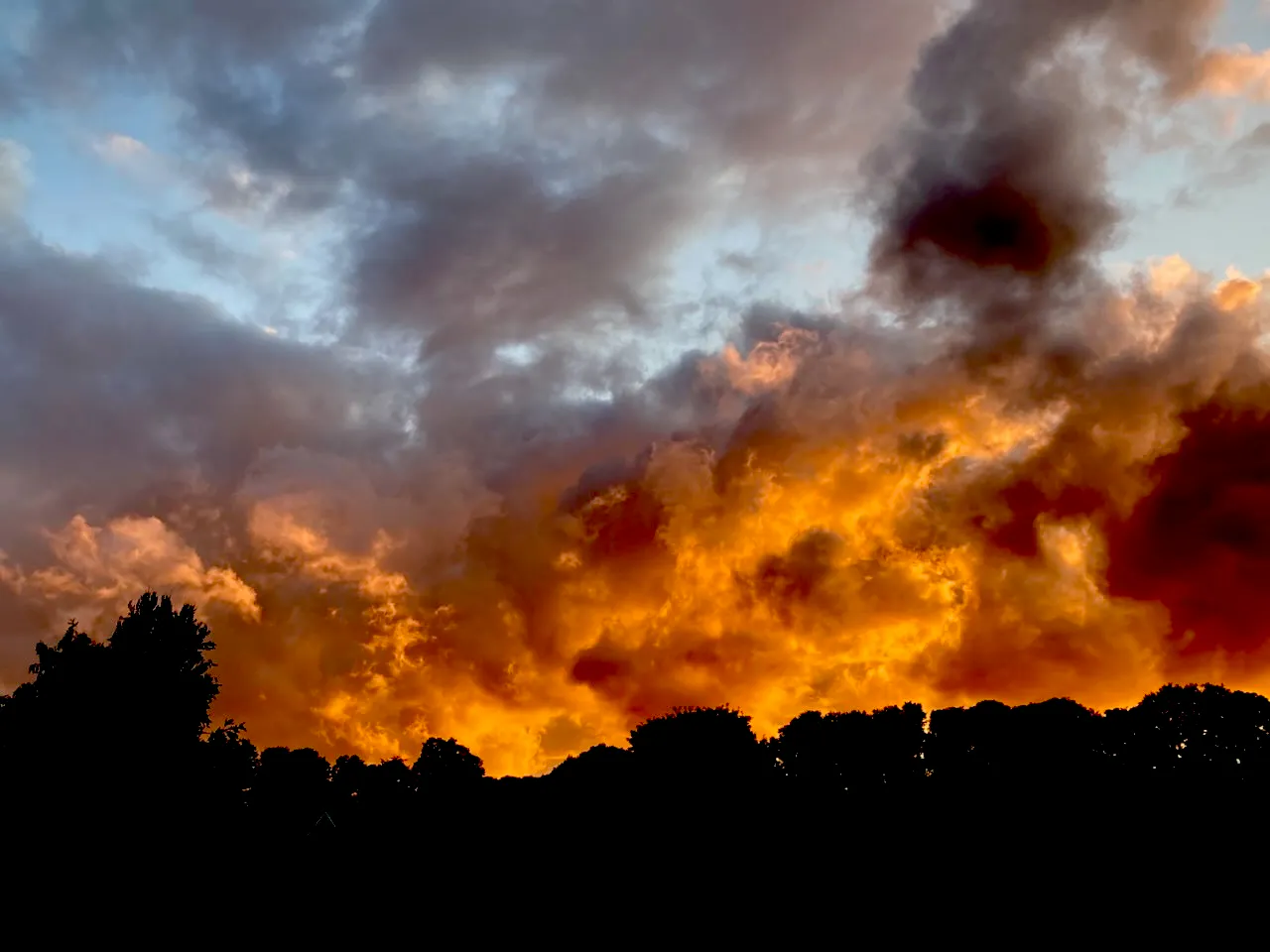
Did the wartime birth of a new English phrase in 1914 help to shape the mythology that J.R.R. Tolkien was about to create?
Until the First World War, English speakers didn’t ‘go west’ when they died. The phrase was apparently introduced by British Army soldiers from Scotland and the west of Ireland, where it was part of the unregarded bedrock of ancient Celtic tradition.
All this I wrote in my last post (Opens in a new window) (no pun intended). But I didn’t know about it when I traced how he developed his legendarium in my book Tolkien and the Great War.
Now I want to consider whether the new usage played any part in Tolkien’s 1915–16 invention of a mythology in which the souls of the dead go into the West. It means interrogating the facts and weighing up issues of influence, zeitgeist, and synchronicity.
So in this post I invite you to eavesdrop on a researcher’s internal dialogue. You’ll probably be relieved that I decided against writing it in a Sméagol-Gollum style.
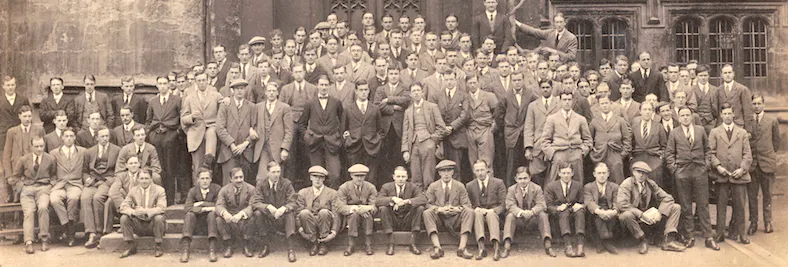
Would Tolkien have really met the new soldiers’ phrase by the time he decided the souls of the dead in his mythology would pass into the West?
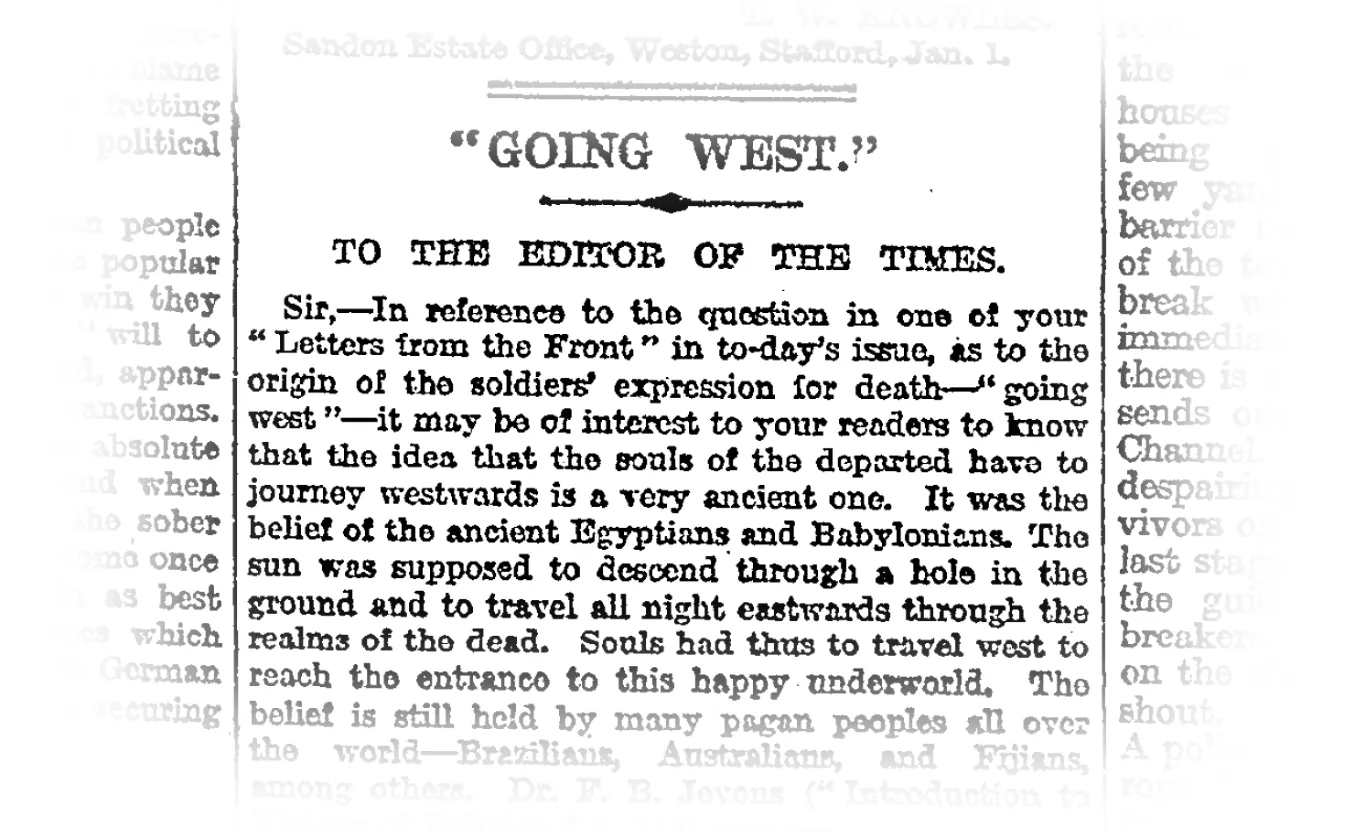
Surely. The Oxford English Dictionary declares that this 20th-century usage ‘became common during the Great War’. It first entered print in The Times at the end of 1914, when a reporter asked whether any readers knew the origin of ‘the soldiers’ curious phrase for death, “Going West”’. Peter Gilliver, our inside man at the OED,1 has also found an earlier instance from the first weeks of the war:
One man was splashed with the blood of his comrade, who had been blown in half by a piece of shrapnel.... He was glad of his escape – ‘a very near call’ – but was sorry for the friend ‘who had gone West’, as he called it.2
Could Tolkien have actually read the lively discussion of ‘going West’ in The Times letters pages in the first weeks of 1915?
More likely than not. Later in life The Times was his national newspaper of choice. At this point he was president of Exeter College’s Junior Common Room, where the paper would have been delivered daily for Tolkien and the other undergraduates to read. If he saw or heard about the discussion, it would have interested him.
So when did Tolkien first come up with his idea of a place for the dead in the West?
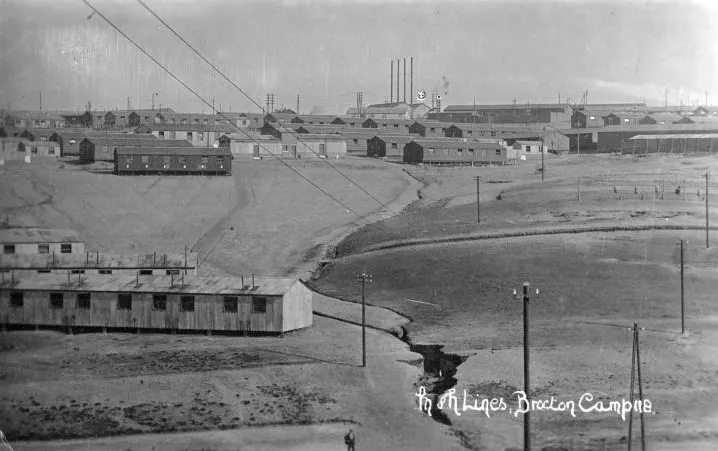
The notion first appears in his poem Habbanan beneath the Stars. He conceived this during army training at Brocton Camp, Staffordshire, in December 1915. He actually wrote it in June 1916 at Étaples, the huge transit camp in northern France for soldiers arriving from Britain and heading to the trenches. The poem describes a vision of men encamped on a plain ‘where all roads end however long’. But while it’s striking that this is a camp of men, it’s clearly no ordinary camp. It’s certainly not Étaples – ‘a veritable prison, notorious for its vindictive regime’, as I put it in Tolkien and the Great War. The poem concludes with a moment of realisation:
These were His wandering happy sons
Encamped upon those aëry leas
Where God’s unsullied garment runs
In glory down His mighty knees.
Habbanan is implicitly in the West. Prefatory lines to the poem call it ‘that region where one draws nigh to the places that are not of men’ (Collected Poems 332–3). This is closely paraphrased in the broadly contemporary Qenya Lexicon, where Habbanan is the name in Teleatka (another Elvish language or dialect) for ‘a region on the borders of Valinor’ – and that is its literal meaning.
Tolkien was in military training more or less without break from enlistment in the Army in July 1915 until he conceived and wrote this poem. In other, more technical words, he was part of a speech-community that used ‘go west’ to mean ‘die’.
But was this poem his first expression of the idea of a place of enchantment in the West?
Of course not. Instead, Habbanan seems to have been one in a series of accretions or augmentations to his earlier idea of the land in the far West. In Tolkien’s September 1914 The Voyage of Éarendel the Evening Star, the star-mariner Éarendel sails off the western rim of the flat earth from a region which the poem calls Westerland but which it does not describe (Collected Poems 86). The Shores of Faery, a poem probably written in July 1915, first names and describes Valinor, a divine earthly paradise. By locating Éarendel’s harbour here, the poem clearly implies Valinor is in the West, whence he sails into the sky. Habbanan beneath the Stars came a little later.
But did Tolkien first meet the idea of a westward land of the dead through the soldier phrase ‘going west’?
Date
March 8, 2026
Topic
Inspirations
4 comments
Would you like to see the comments?
Become a member of John Garth on Tolkien’s life and works to join the discussion.