
LA NEWSLETTER SETTIMANALE DI ANDREA BATILLA
WITH ENGLISH VERSION
LO STATO DEI GIOVANI
Perché abbiamo smesso di occuparci dei nuovi designer
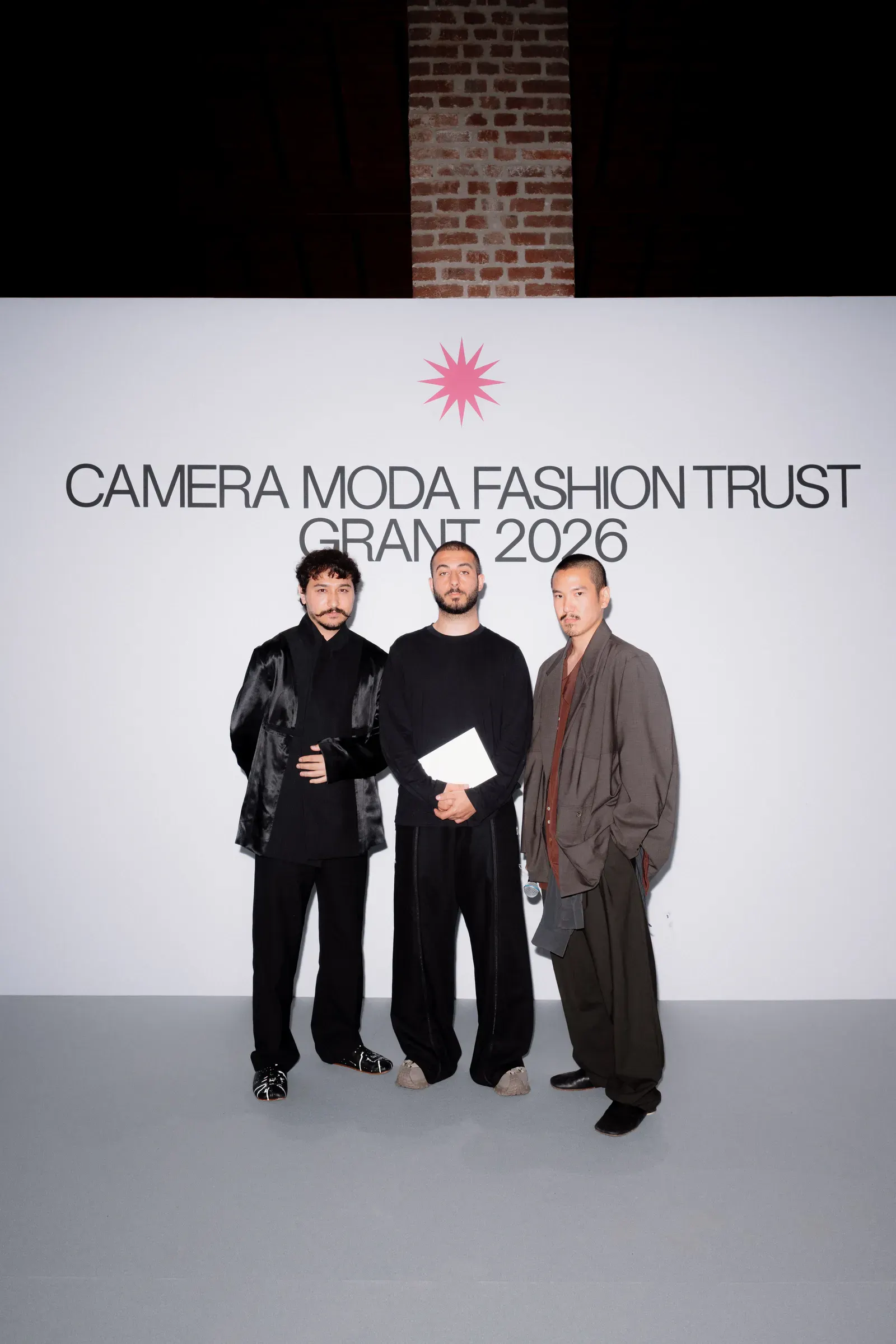
Ieri sera c’è stata la serata di premiazione dei 3 vincitori del grant da 70.000 Euro del Fashion Trust di Camera della Moda Italiana.
Si tratta dell’unica iniziativa economicamente interessante di aiuto ai giovani designer in Italia. Esistono progetti di scouting e di mentoring ma nessuno elargisce tutti questi soldi.
Dietro al trust ci sono Umberta Gnutti Beretta e Warly Tomei, le colonne portanti insieme a Sara Maino, ma nell’advisory board si trovano anche Sofia Barattieri Weinstein, Costanza Cavalli Etro, Chiara Ferragni, Margherita Maccapani Missoni, Maria Giulia Prezioso Maramotti e Laudomia Pucci.
I soldi arrivano da donazioni di aziende o da eventi benefici come quello di ieri sera in cui, con lo stesso meccanismo del MET Gala, brand e privati hanno pagato per avere un tavolo.
Come è normale che sia, nello storico del fashion trust ci sono marchi che hanno avuto successo, come Blazè, Des Phemmes, Marco Rambaldi o Niccolò Pasqualetti e nomi che sono spariti dal radar come ATXV di Antonio Tarantini, AC9 di Alfredo Cortese, Andrea Adamo o Cormio.
Da qui è passato anche Satoshi Kuwata con il suo brand Setchu che ha vinto il LVMH Prize, ad oggi il premio più importante al mondo.
Occuparsi di designer emergenti è una cosa faticosa, rischiosa, costosa e con poche probabilità di successo. Per quanto il sistema abbia bisogno di loro per sopravvivere e partecipi in massa a serate come quelle di ieri sera, di fronte a uno slot del calendario ufficiale delle sfilate ognuno torna a pensare per sé.
Ma esiste un problema peggiore: l’indifferenza.
Come ho scritto nella scorsa newsletter, siamo in un momento storico dove ciò che interessa, anche a livello di cronaca, sono i risultati economici.
L’approfondimento sui contenuti o la loro critica sono temi che sono stati spazzati via dal discorso sulla moda e che, semplicemente, non interessano più nessuno.
Siamo addirittura arrivati ad un punto in cui l’argomento di conversazione preferito (anche ieri sera) è chi sarà il prossimo a chiudere definitivamente i battenti dopo che una schiera di marchi, show-room, online store e department store sono stati rasi al suolo dalla crisi in cui ci troviamo.
Come ho cercato di spiegare, questa è una crisi di credibilità simbolica, molto prima che di soldi e in questo deserto semantico che abbiamo costruito con le nostre mani i giovani designer non hanno spazio, nutrimento, attenzione e quindi senso.
I tre vincitori del grant di quest’anno, Institution di Galib Gassanov, Act N.1 di Luca Lin e Materia di Francesco Saverio Matera, si portano a casa un discreta cifra ma non sollecitano la potenza di fuoco mediatica necessaria per accendere veramente i riflettori sul loro lavoro.
Questo accade per ragioni molto precise.
La prima è che tutto ciò che è indipendente è polverizzato e non raggiunge più la massa critica necessaria per essere rilevante. Grace Wales Bonner, Marine Serre, Martine Rose, Craig Green, Steven Stokey-Daley e Nensi Dojaka sono tutti designer che, passati attraverso i contest, hanno avuto un momento di visibilità e il cui business magari funziona ma che non hanno nessuna rilevanza. Sono tutti più o meno bravi ma non è di loro che si discute, non è osservando il loro lavoro che si prendono decisioni.
Per un lungo momento questi stessi nomi sono stati al centro di iniziative di co-branding o, meglio, co-creative design che li hanno aiutati ad oltrepassare la barriera del rumore e a diventare visibili. Penso per esempio al mega progetto Moncler Genius a cui hanno partecipato, dal 2018, in poi Simone Rocha, Craig Greene, Richard Quinn e molti altri.
Anche questo tipo di interesse è del tutto svanito e i brand emergenti sono tornati a confondersi in uno scenario indistinto.
Ma esiste un motivo più profondo e più insidioso per questa sparizione.
Da quando, nel 2014, è stato creato il LVMH Prize ha sbancato il tavolo e fatto sembrare tutti gli altri premi marginali e dilettanteschi.
Qui il vincitore si porta a casa 400.000 Euro e un anno di mentorship dalle menti più brillanti del gruppo in tema di produzione, distribuzione, marketing, comunicazione e gestione finanziaria.
La giuria del 2025 era composta da Sarah Burton, Nicolas Ghesquière, Marc Jacobs, Stella McCartney, Nigo, Phoebe Philo, Silvia Venturini Fendi, Pharrell Williams, Delphine Arnault, Jean-Paul Claverie e Sidney Toledano. Ma negli anni ci sono passati anche Kim Jones, Clare Waight Keller, Haider Ackermann, Virgil Abloh, Maria Grazia Chiuri e Jonathan Anderson. È chiaro che l’asticella si è alzata talmente tanto da diventare irraggiungibile.
Il fatto che un super gruppo si appropri della capacità di decidere chi sono i nuovi designer interessanti non è per niente una buona notizia perché limitando la visibilità di tutti gli altri premi può costruire lo scenario che gli è più favorevole.
È come se la più grande casa editrice del mondo organizzasse il Pulitzer o uno studio di Hollywood prendesse in mano Cannes.
I territori liberi, per quanto possibile, esistono perché sono il nutrimento dell’industria e non possono essere governati, né adottati, né tantomeno creati.
I giovani designer sono passati da essere merce di scambio a trofei da tenere dentro una teca e hanno perso così la loro caratteristica principale: l’unicità.
Ieri sera l’evento del Fashion Trust era organizzato benissimo. Molti marchi importanti hanno partecipato, molti sponsor hanno aiutato e nel complesso si è percepito il gigantesco lavoro che stava dietro e l’incredibile forza propulsiva generata da un gruppo di donne sinceramente interessate al progetto.
Gli 11 finalisti erano quasi tutti molto interessanti e il lavoro di scouting di Sara Maino, che misteriosamente a nessuno è venuto ancora in mente di eleggere presidente di Camera Moda, era evidente.
Ma c’era anche un senso di incompiutezza, di mancanza di attenzione e vicinanza. Come se stesse succedendo qualcosa di leggero che non avrebbe cambiato niente nel turbolento mondo della moda. Qualcosa come una promessa disattesa, un impegno non portato a termine, un film che non arriverà nelle sale.
Forse la modalità stessa dei contest è da ripensare e sicuramente, in questo caso, gli interventi dei due presentatori, Anna dello Russo e Giuliano Calza. Ma stiamo parlando di cosmetica.
Il cuore della storia è che per fare in modo che si tracci un futuro, o anche solo un presente, i giovani designer hanno bisogno di possibilità. Il terreno del possibile ha le fondamenta nell’organizzazione, nella gestione, nella visibilità e ovviamente nei soldi. Non può essere una scheggia passeggera. Deve essere un pezzo integrato nel sistema moda, un momento rilevante, magari spiazzante, pericoloso e ansiogeno ma libero di esistere nei suoi tempi e modi.
E deve essere sempre, assolutamente sempre, pieno di attenzione.
THE STATE OF YOUNG DESIGNERS
Why We Stopped Caring About Emerging Talent
Last night was the awards ceremony for the three recipients of the €70,000 grants awarded by the Fashion Trust of the Italian National Chamber of Fashion.
It is the only financially significant initiative supporting young designers in Italy. There are scouting and mentoring programs but none of them distribute this kind of money.
Behind the Trust are Umberta Gnutti Beretta and Warly Tomei, the driving forces of the initiative together with Sara Maino. The advisory board also includes Sofia Barattieri Weinstein, Costanza Cavalli Etro, Chiara Ferragni, Margherita Maccapani Missoni, Maria Giulia Prezioso Maramotti and Laudomia Pucci.
The money comes from corporate donations and fundraising events like last night’s dinner where, using the same model as the Met Gala, brands and private patrons paid for tables.
As one would expect, the Fashion Trust’s track record includes brands that have gone on to succeed, such as Blazé, Des Phemmes, Marco Rambaldi and Niccolò Pasqualetti, as well as names that have largely disappeared from the radar, including ATXV by Antonio Tarantini, AC9 by Alfredo Cortese, Andrea Adamo and Cormio.
Satoshi Kuwata also came through the program with his brand Setchu before winning the LVMH Prize, currently the most prestigious award in the world.
Supporting emerging designers is difficult, risky, expensive and statistically unlikely to succeed. As much as the industry needs them in order to survive and enthusiastically attends events like last night’s, the moment an official runway slot becomes available everyone goes back to looking out for themselves.
But there is an even bigger problem: indifference.
As I wrote in last week’s newsletter, we are living through a moment in which the only thing that seems to matter, even from a news perspective, is financial performance.
In depth discussion of content and serious criticism have been swept out of the fashion conversation and, quite simply, no longer interest anyone.
We have reached the point where the favorite topic of conversation, including last night, is guessing who will be the next to shut down permanently after an entire generation of brands, showrooms, online stores and department stores has been wiped out by the crisis we are living through.
As I have tried to explain, this is a crisis of symbolic credibility long before it is a financial crisis. In the semantic desert we have built with our own hands, young designers no longer have space, nourishment, attention or meaning.
This year’s grant recipients, Institution by Galib Gassanov, Act N.1 by Luca Lin and Materia by Francesco Saverio Matera, are taking home a respectable amount of money but not the kind of media firepower needed to truly shine a spotlight on their work.
There are very specific reasons for this.
The first is that everything independent has become fragmented. It no longer reaches the critical mass required to be culturally relevant. Grace Wales Bonner, Marine Serre, Martine Rose, Craig Green, Steven Stokey-Daley and Nensi Dojaka are all designers who emerged through competitions, enjoyed a moment of visibility and may even have successful businesses, but who ultimately have very little influence. They are all talented to varying degrees but they are not the people everyone talks about. Their work is not what decisions are based on.
For a long period these same designers were at the center of co-branding initiatives or, more accurately, co-creative design projects that helped them break through the noise and become visible. The best example is Moncler Genius, the massive project that since 2018 has involved Simone Rocha, Craig Green, Richard Quinn and many others.
Even that kind of attention has completely disappeared and emerging brands have once again blended into an indistinct landscape.
But there is a deeper and more troubling reason behind this disappearance.
Since its creation in 2014, the LVMH Prize has effectively cleared the field and made every other award look secondary and amateurish.
The winner receives €400,000 and a year of mentorship from some of the brightest minds in the group covering production, distribution, marketing, communications and financial management.
The 2025 jury included Sarah Burton, Nicolas Ghesquière, Marc Jacobs, Stella McCartney, Nigo, Phoebe Philo, Silvia Venturini Fendi, Pharrell Williams, Delphine Arnault, Jean-Paul Claverie and Sidney Toledano. Previous jurors have included Kim Jones, Clare Waight Keller, Haider Ackermann, Virgil Abloh, Maria Grazia Chiuri and Jonathan Anderson.
The bar has been raised so high that it has become almost unreachable.
The fact that a luxury conglomerate has effectively taken control of deciding who the interesting new designers are is not good news. By reducing the visibility of every other award, it gains the ability to shape the landscape in the way that best serves its interests.
It is as if the largest publishing house in the world were suddenly put in charge of the Pulitzer Prize or a Hollywood studio took over the Cannes Film Festival.
Independent territories exist because they nourish the industry. They cannot be governed, adopted or created.
Young designers have gone from being a form of currency to becoming trophies displayed behind glass. In the process they have lost their most important quality: uniqueness.
Last night’s Fashion Trust event was exceptionally well organized. Many important brands participated, numerous sponsors contributed and the enormous amount of work behind the initiative was evident. So was the extraordinary energy generated by a group of women who are genuinely committed to the project.
The eleven finalists were almost all very interesting and Sara Maino’s scouting work, despite the fact that no one has yet thought to make her president of the Italian National Chamber of Fashion, was impossible to miss.
Yet there was also a sense of incompleteness, of insufficient attention and proximity. It felt as though something light was taking place, something that would ultimately change nothing in the turbulent world of fashion. Something like an unfulfilled promise, an unfinished commitment, a film that will never reach theaters.
Perhaps the very format of competitions needs to be reconsidered and certainly that includes the hosting style of Anna Dello Russo and Giuliano Calza. But that is cosmetic.
The heart of the issue is that if we want a future, or even a present, to take shape, young designers need possibility.
The ground on which possibility grows is built on organization, management, visibility and, of course, money. It cannot be a passing spark. It must become an integrated part of the fashion system, a meaningful moment, perhaps disruptive, unsettling, risky and anxiety-inducing, but free to exist on its own terms and in its own time.
And it must always, absolutely always, be surrounded by attention.
Data
29/05/2026
Tópico
POST SETTIMANALI
0 comentários
Gostaria de ser o primeiro a escrever um comentário?
Torne-se membro de LA MODA È UNA COSA SERIA e comece a conversa.